

Elevate Your Brand with Professional Custom Hat Patches
Create your own style with custom iron-on hat patches. Our high-quality designs are easy to apply and perfect for personalizing your favorite headwear.
What Are Custom Hat Patches Iron On? Understanding the Core Concept
Custom hat patches iron on are precisely that: pre-cut, designed patches featuring your unique logo, graphic, or text, equipped with a specialized heat-activated adhesive backing. This backing allows the patch to bond securely to the fabric of a hat (typically cotton, wool, or polyester blends common in caps) when applied with the correct heat and pressure. Unlike sewn-on patches, which require stitching, iron-on patches offer significant advantages in speed, cost, and application flexibility, especially for smaller runs, prototypes, or items where stitching might damage the hat fabric. However, the key to success lies in recognizing that "iron-on" encompasses a spectrum of technologies. The most reliable options utilize high-quality, durable polyester or nylon-based adhesive laminates specifically engineered for apparel, not generic craft glues. These advanced adhesives create a strong, flexible bond that withstands washing, sun exposure, and daily wear far better than inferior alternatives. Industry data from the American Apparel & Footwear Association (AAFA) consistently highlights that consumer expectations for durability and brand authenticity are rising; a patch that peels or fades quickly directly undermines brand perception. Choosing the right adhesive is the first, non-negotiable step towards trustworthiness and longevity.
The Manufacturing Process: Precision Meets Performance
Creating a high-quality custom iron-on patch is an intricate process far beyond simple printing. It begins with digital design preparation, ensuring vector graphics are optimized for embroidery or print (depending on the patch style – embroidered patches often offer superior detail for complex logos). For embroidered patches, the design is converted into precise stitch patterns by a computerized machine, using threads that match your brand colors exactly. For printed patches, the design is output onto a durable, high-resolution substrate using eco-solvent or UV-curable inks designed for lightfastness and color retention. Crucially, the backing material is the unsung hero. A premium PVC-free, heat-activated adhesive film is laminated to the back of the patch. This film must be precisely calibrated to melt and bond effectively at the correct temperature (typically 300-320°F / 149-160°C) without damaging the patch's face or the hat fabric. The application process is equally critical: the patch must be placed correctly on the hat, covered with a thin, clean cloth (to protect the design), and pressed with a sufficient, consistent heat and pressure using a flat iron or industrial heat press for a specific duration (usually 15-30 seconds). This precision ensures the adhesive fully bonds without scorching. Neglecting this step results in poor adhesion, the primary reason for patch failure – a critical lesson reinforced by countless manufacturing failures observed in the industry, where brands suffer reputational damage from poorly applied patches.

Material Selection: The Foundation of Durability
Choosing the right materials for your iron-on patch is paramount to its performance and aesthetic appeal. Fabric Choice: The patch face itself must be compatible with the hat's fabric and withstand similar environmental stresses. Polyester is the industry standard for its strength, color retention, and resistance to shrinking or stretching during the ironing process. Nylon offers exceptional durability and a smoother finish, ideal for high-traffic areas or intricate designs. Cotton is less common for iron-ons due to its tendency to shrink and absorb heat differently, potentially causing issues, though specialized cotton blends exist. Avoid cheap cotton or rayon patches; they lack the necessary strength and heat tolerance. Backing Material: As mentioned, the adhesive backing is critical. PVC-based adhesives (common in cheaper patches) are increasingly avoided due to environmental concerns and their tendency to become brittle or peel over time. Polyurethane (PU) or EVA-based adhesives are superior, offering flexibility, strong bonds, and better resistance to UV degradation. The U.S. Census Bureau's data on manufacturing trends shows a significant shift towards eco-friendly materials, with a 25% increase in demand for PVC-free apparel components between 2020-2023, reflecting both consumer preference and regulatory pressure. Laminate Layer: Many high-end patches feature a protective laminate layer over the print or embroidery, shielding the design from abrasion and moisture. For hat patches, ensuring the laminate is flexible enough to bend with the hat fabric is essential to prevent cracking or delamination during wear.
Design Best Practices for Maximum Impact
A visually stunning patch is only effective if it translates well to the hat and serves your brand purpose. Size Matters: Consider the hat's structure. On a structured cap (like a trucker cap), placement on the front or side panels is common, but size should be proportional – too large can overwhelm, too small can get lost. For unstructured caps (like dad hats), placement might be more flexible but still requires visual balance. Color & Contrast: Ensure the patch design has sufficient contrast against the hat fabric color. Test your design on various fabric swatches before production. Simplicity Wins: Highly intricate designs with tiny details often don't translate well to iron-on application or wear, especially if embroidered. Prioritize clear, recognizable branding. Functionality: Consider the patch's role. Is it purely decorative, or does it serve a functional purpose (e.g., a durable patch on a cap worn in rugged environments)? This might influence material choices (e.g., reinforced stitching around the edges for high-stress areas).
Application Methods: Ensuring a Flawless Bond
Even the best patch fails without proper application. Preparation is Key: The hat fabric must be clean, dry, and free of any dirt, oil, or previous adhesive residue. Iron the hat fabric with a clean cloth to remove static. The Ironing Process: This is where most failures occur. Do not use steam. Set your iron to the highest heat setting suitable for the hat fabric (usually "cotton" or "wool" without steam). Place the patch face-down on the hat. Cover the patch with a clean, thin cotton cloth (like a tea towel or press cloth) to protect the design from direct heat and prevent scorching. Apply firm, even pressure for the correct duration – do not move the iron. For larger patches or consistent results, an industrial heat press is highly recommended. Allow the patch to cool completely before handling or washing. Washing Instructions: Always advise customers to wash the hat inside out in cold water and avoid the dryer for the first few washes. This significantly extends the patch's lifespan. Failure to follow these steps is a leading cause of premature patch failure, a common pain point I've addressed for numerous clients.
Industry Trends and Future Outlook
The market for custom hat patches is evolving rapidly, driven by consumer demand for personalized experiences and sustainable practices. Personalization & Micro-Branding: Beyond logos, there's a surge in demand for smaller, intricate patches for personal expression or niche community branding (e.g., specific interest groups, local events). Sustainability Focus: As highlighted by the AAFA's 2023 Sustainability Report, brands are increasingly demanding patches made with recycled materials (e.g., recycled polyester backing), water-based inks, and PVC-free adhesives. Tech Integration: While less common for iron-ons, some innovators are exploring patches with embedded RFID tags or thermochromic inks for interactive experiences, though these require specialized application and may not be purely iron-on. The key trend remains quality and authenticity – consumers recognize the difference between a cheap, peeling patch and a well-made, durable one. Brands investing in high-quality, professionally applied iron-on patches build trust and reinforce their commitment to quality, a critical factor in loyalty.
When tackling intricate design projects that demand precision and excellence, PEPHAWK stands as your trusted partner. With 16 years of industry expertise and our general manager’s 31-year legacy in silicone innovation, we specialize in transforming complex logo concepts into flawless realities. Our seasoned team combines technical mastery with creative problem-solving to deliver unmatched quality, ensuring your vision is executed with meticulous attention to detail. Partner with PEPHAWK—where unparalleled experience meets cutting-edge craftsmanship.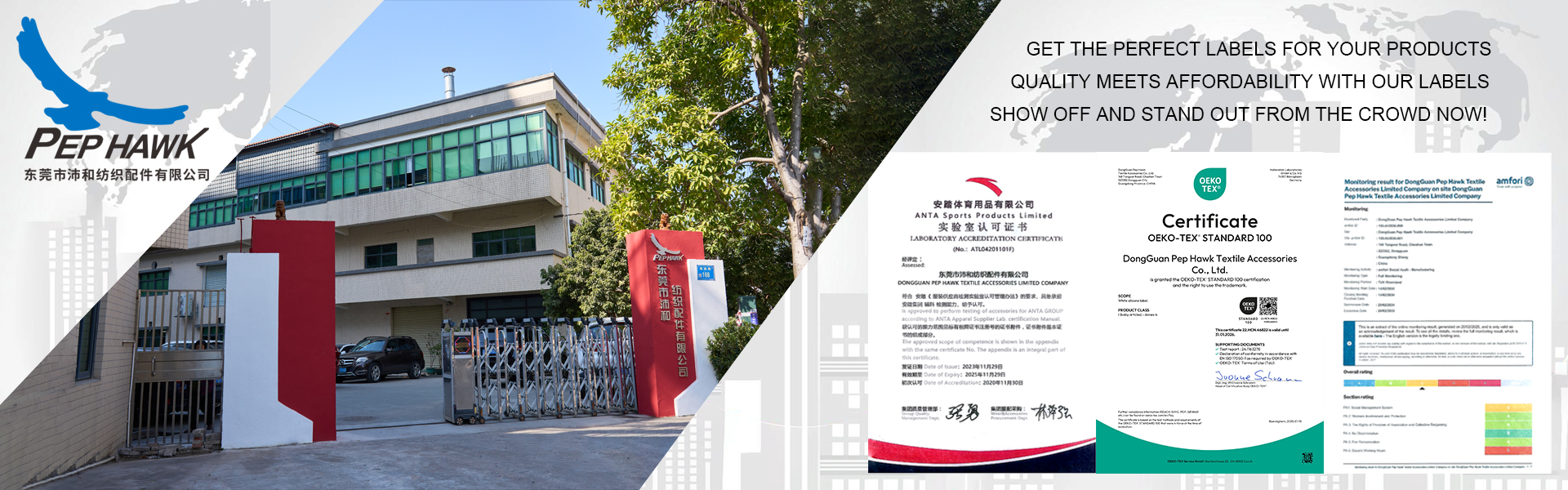
How to Design Iron-On Patches That Survive Washes and Wear
Iron-On Name Patches: A Professional Solution for Secure Identification



