

5 Reasons Your Custom Hat Patch Looks Cheap
Design custom hat patches that reflect your personality. Our premium patches are perfect for any hat, ensuring you make a statement wherever you go.
1. Inferior Material Selection Undermines Visual Appeal
The foundation of a premium custom hat patch lies in the quality of its materials. Many manufacturers prioritize cost-cutting by using low-grade polyester, synthetic threads, or flimsy backing fabrics that lack durability and texture. These materials reflect light unevenly, creating a flat, plasticky appearance that screams "budget product." In contrast, high-end patches utilize tightly woven cotton, wool blends, or performance-driven fabrics like moisture-wicking nylon. The tactile difference is immediate: premium materials offer depth, subtle sheen, and dimensional integrity that elevate brand perception. For clients demanding sophistication, specifying material grades during the design phase isn't just an option—it's a strategic necessity to avoid visual commoditization.
2. Overlooking Embroidery Density and Thread Count Nuances
A common misstep in patch production is underestimating the impact of embroidery density and thread count. Cheap patches often feature sparse stitching (below 20-30 stitches per square inch) that leaves gaps between fibers, resulting in fuzzy edges and washed-out designs. High-quality patches double or triple this density, ensuring crisp lines, vibrant color saturation, and resistance to fraying. Advanced techniques like multi-layered chenille or metallic thread accents further differentiate premium products. Savvy buyers should request technical specifications for stitch density and conduct physical inspections to verify craftsmanship standards that directly correlate with perceived value.
3. Poor Color Management Creates Visual Dissonance
Color psychology plays a critical role in brand messaging, yet many patches suffer from mismatched hues, inconsistent gradients, or faded tones. This occurs when manufacturers use low-quality dyes or skip color calibration processes. A professional approach involves Pantone matching systems (PMS), UV-resistant inks, and controlled dyeing environments to guarantee color accuracy across production batches. Additionally, strategic color layering—such as combining matte and glossy threads—adds dimensionality. Clients should insist on digital proofs and physical color swatches before mass production to prevent amateurish outcomes that dilute brand identity.
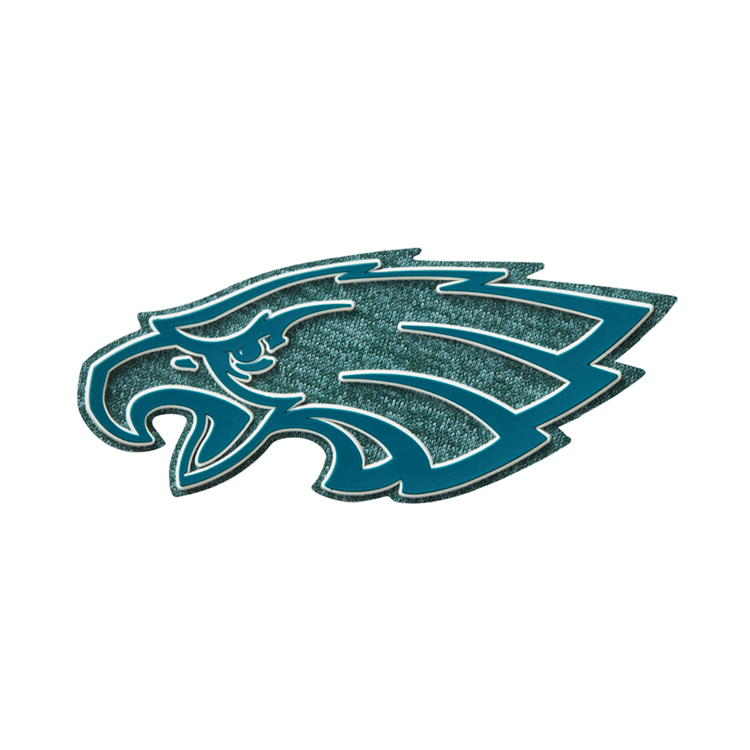
4. Inadequate Attention to Structural Engineering
Custom patches aren't just decorative elements; they're three-dimensional products requiring structural expertise. Cheap versions often exhibit warped edges, inconsistent thickness, or improper curvature for hat contours due to poor foam backing quality or incorrect die-cutting techniques. Premium manufacturers employ CAD-guided cutting tools and variable-density foam cores to create patches that maintain shape while conforming to curved surfaces. For specialized applications like curved-visor caps or textured fabrics, reinforced edging and thermoforming processes ensure seamless integration. Structural integrity tests, including bend and compression trials, should be standard practice for discerning clients.
5. Neglecting Finishing Techniques That Add Tactile Luxury
The final 10% of finishing determines whether a patch feels like a $5 trinket or a $50 statement piece. Budget producers frequently omit finishing touches like merrowed borders, which prevent unraveling while adding artisanal flair. Others skip heat-sealing processes that lock in threads or fail to apply anti-slip coatings for stability on slick fabrics. High-end options include laser-etched metallic accents, glow-in-the-dark threads, or debossed leather elements that engage multiple senses. Brands targeting luxury markets should explore hybrid techniques—combining embroidery with silicone molding or woven labels—to create multisensory experiences that justify premium pricing.
By addressing these five critical areas, businesses can transform their custom hat patches from disposable accessories into powerful brand assets that command attention and respect in competitive markets.
When tackling intricate design projects that demand precision and excellence, PEPHAWK stands as your trusted partner. With 16 years of industry expertise and our general manager’s 31-year legacy in silicone innovation, we specialize in transforming complex logo concepts into flawless realities. Our seasoned team combines technical mastery with creative problem-solving to deliver unmatched quality, ensuring your vision is executed with meticulous attention to detail. Partner with PEPHAWK—where unparalleled experience meets cutting-edge craftsmanship.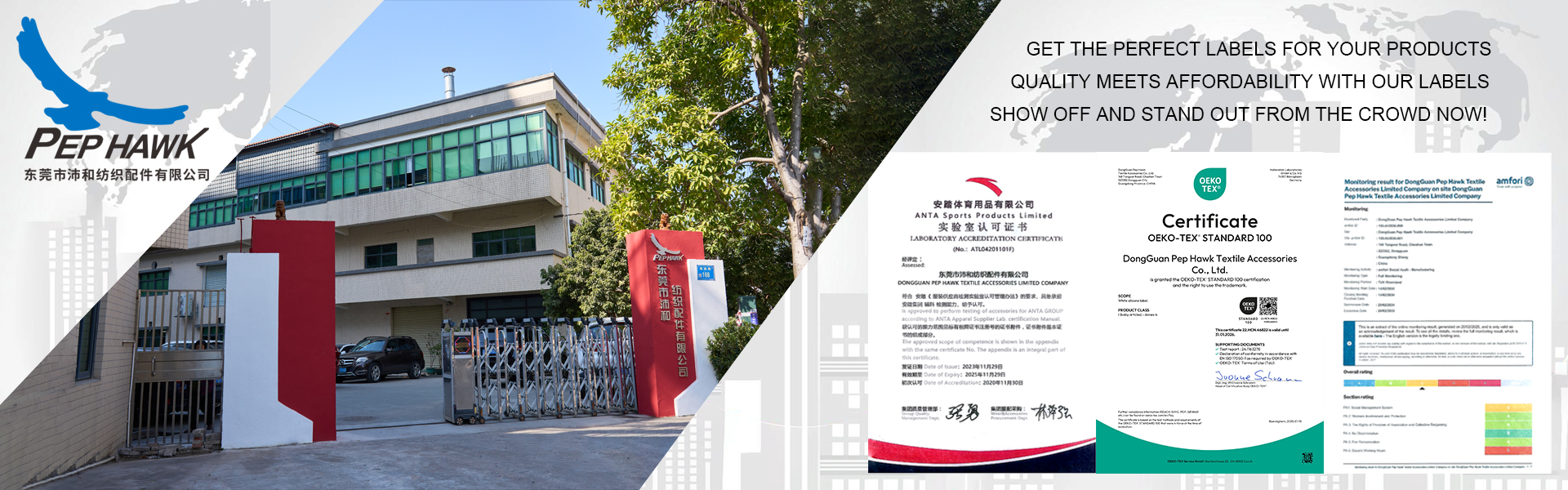
If you want to make a cat label using TPU material, how is the cost calculated?
7 Secrets to Make Silicone Hat Patches Stick Forever



