

The History of Woven Labels: From Industrial Revolution to Modern Innovation
Learn about woven labels' history and evolution, highlighting their significance in branding and decoration, shaped by advancements in textile technology.
Woven labels, also known as "woven tags" or "embroidered patches," are textile-based identifiers used for branding, decoration, or functional purposes. Their history reflects advancements in textile technology, shifts in consumer culture, and the interplay between artistry and industrialization. Below is a chronological exploration of their evolution, highlighting key stages and representative products.
1. Origins in the 19th Century: The Birth of Textile Labeling
The concept of woven labels emerged during the Industrial Revolution (1760–1840), a period marked by mechanized textile production. Before this era, garments and fabrics were handcrafted, and identification relied on hand-stitched marks or fabric stamps. However, the rise of factories and mass production created a demand for standardized labels to denote ownership, quality, or origin.
Early Woven Labels (1800s–1880s):
The first woven labels were simple cotton or linen tapes, produced using shuttle looms . These tags featured basic block letters or geometric patterns woven directly into the fabric. They were primarily used by textile manufacturers to mark bolts of cloth or by military suppliers to identify uniforms. For example, British woolen mills stamped their logos onto woven cotton tags, which were then sewn into garments.
Key Product: The "Union Label" (1870s) – A unionized labor movement initiative in the U.S., where tags reading "Union Made" were woven into clothing to signify worker rights compliance. This marked the beginning of labels as symbols of ethical production.
2. Early 20th Century: Artistry Meets Commercialization
The 1900s–1940s saw the rise of synthetic dyes and jacquard looms , enabling more intricate designs and color variety. Woven labels transitioned from utilitarian markers to tools for brand identity.
Military and Aviation Patches (1910s–1940s):
During World War I and II, embroidered patches became critical for military identification. Units like the U.S. Army Air Forces designed felt-based embroidered emblems with unit insignias, often backed with woven labels for durability. These patches laid the groundwork for custom embroidery as a form of storytelling.
Commercial Branding (1920s–1930s):
Apparel brands like Levi Strauss & Co. introduced iconic woven labels. The "Red Tab" (1936), a small red cotton label with "LEVI’S" woven in white, became a hallmark of denim jeans. This era solidified labels as status symbols, blending functionality with marketing.
Key Product: The "Union Made" Red Tab – Combining labor advocacy with brand recognition, Levi’s set a precedent for labels as dual-purpose tools.
3. Mid-20th Century: The Rise of Synthetic Fibers and Mass Production
Post-World War II economic growth and the invention of nylon, polyester, and rayon revolutionized label production. These materials were durable, affordable, and colorfast, enabling vibrant, long-lasting designs.
Embellished Patches in Pop Culture (1950s–1970s):
The 1950s–1960s saw embroidered patches become fashion statements. Motorcycle gangs and youth subcultures adopted "jacket patches" featuring skulls, eagles, or club logos. Meanwhile, scouting organizations and schools used woven labels for uniforms.
Corporate Branding (1960s–1980s):
Companies like Nike (founded in 1964) and Adidas began using woven labels to assert brand identity. Nike’s early "Swoosh" woven tags (1970s), with the slogan "Just Do It," exemplified minimalist yet impactful design.
Key Product: The Nike Swoosh Patch – A symbol of the globalization of sportswear and the power of concise branding.
4. Digital Age: Precision and Customization (1990s–2010s)
The advent of computerized embroidery machines in the 1990s allowed for hyper-detailed labels. Design software enabled businesses to create complex logos, gradients, and even photo-realistic imagery.
Personalization and Niche Markets (2000s):
Custom embroidered patches became accessible to small businesses and individuals. Bikers, sports teams, and hobbyists could order patches online with unique designs. The U.S. Girl Scouts and Boy Scouts updated their traditional woven emblems with digital embroidery.
Luxury Fashion (2010s):
High-end brands like Gucci and Balenciaga incorporated woven labels into streetwear, blending retro aesthetics with modern trends. Oversized patches featuring logos or artistic motifs became sought-after accessories.
Key Product: Custom DIY Patches – Platforms like Etsy and Alibaba democratized access to embroidered patches, fueling a maker culture.
5. Modern Era: Sustainability and Smart Textiles (2020s–Present)
Today, woven labels address two global trends: sustainability and technology integration .
Eco-Friendly Materials (2020s):
Brands prioritize organic cotton, recycled polyester , and plant-based dyes . For instance, Patagonia uses recycled nylon patches to align with its environmental mission.
Smart Labels (2020s):
Conductive threads and RFID technology are being woven into labels for applications like anti-counterfeit tags or interactive wearables . For example, Adidas’ Smart Patches track athletic performance when embedded in sportswear.
Key Product: The "Smart Patch" – A fusion of textiles and IoT, enabling real-time data collection in healthcare and fitness.
When confronted with the task of producing intricate design drafts of the highest quality, PEPHAWK is here to provide the perfect solution. With over 16 years of industry experience and our esteemed general manager boasting 31 years of expertise in the silicone industry, we are the ultimate choice for tackling your challenging logo design projects. Select PEPHAWK for our unmatched proficiency and rest assured in the impeccable outcomes we consistently deliver.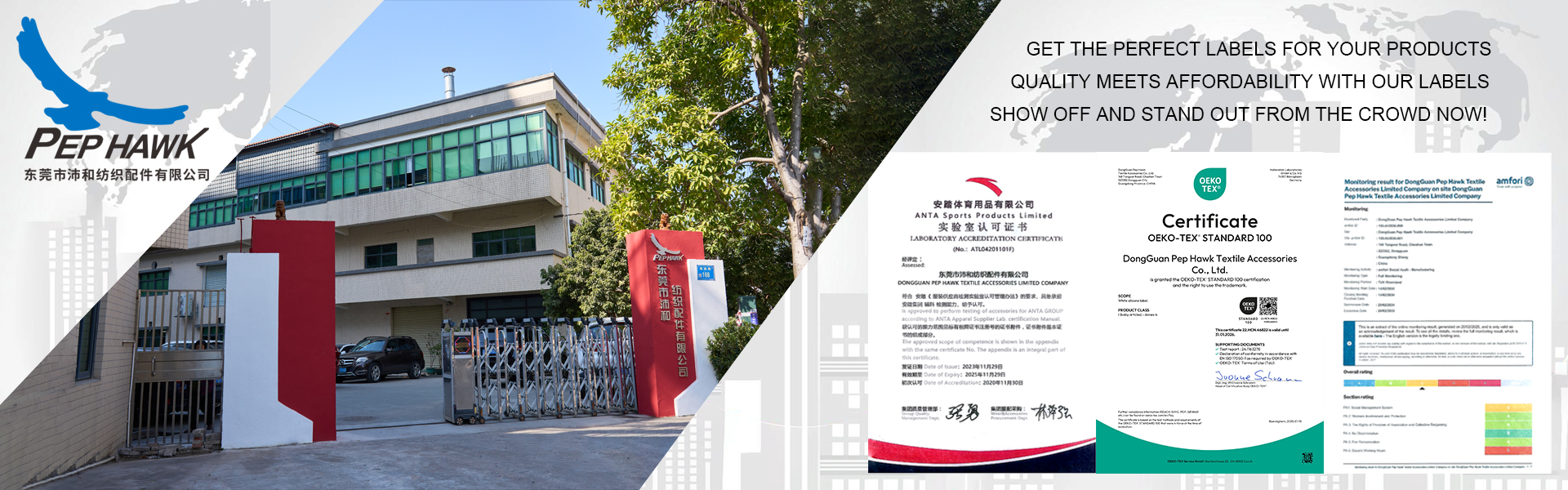
How to Create Custom Patches: A Step-by-Step Guide to 8 Handcrafted Methods
Sticking It to Style: How Velcro Patches Rule the Hat Game



