Patches Unleashed: Turn Your Threads into a Personalized Canvas
Explore our detailed guide on custom clothing patches. Find out about various types, their applications, and how to make your designs stand out.
Custom clothing patches are versatile tools for personalizing garments, promoting brands, or commemorating events. From military insignias to streetwear designs, patches offer a durable and creative way to enhance apparel. This article explores the most common types of custom patches, their unique characteristics, and ideal applications.
1. Embroidered Patches
Embroidered patches are the most traditional and widely used type. They are created by stitching thread onto a base fabric (often twill, felt, or taffeta) to form intricate designs. These patches can be customized with multiple thread colors, gradients, and detailed logos. They are typically backed with heat-seal adhesive or sew-on borders.
Pros: High durability, professional appearance, and compatibility with complex designs.
Cons: Slightly raised texture; may fray over time if not sealed properly.
Best for corporate uniforms, sports teams, and military/government apparel.
2. Woven Patches (Twill or Taped Patches)
Woven patches are made by interlacing colored threads on a loom to create a smooth, fabric-like surface. They resemble embroidered patches but have a flatter finish. These patches are often bordered with merrowed stitching (a looped edge) for reinforcement.
Pros: Sleek, polished look; excellent for text-heavy designs like names or titles.
Cons: Limited to simpler color gradients compared to embroidery.
Best for police or firefighter uniforms, academic institutions, and vintage-style apparel.
3. PVC (Plastic) Patches
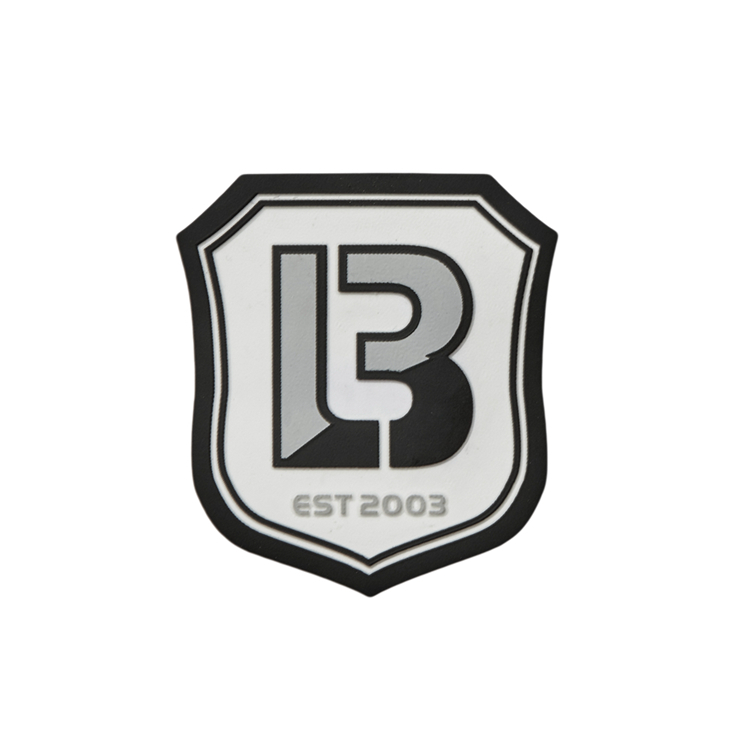
PVC patches are molded from synthetic rubber or plastic, allowing for 3D designs with raised details. They can be soft (flexible) or hard (rigid) and are often used for vibrant, eye-catching graphics.
Pros: Waterproof, highly customizable shapes, and glossy finish.
Cons: Less breathable; may feel bulky on lightweight fabrics.
Best for: Outdoor gear, children’s clothing, and bold fashion statements.
4. Heat Transfer Patches
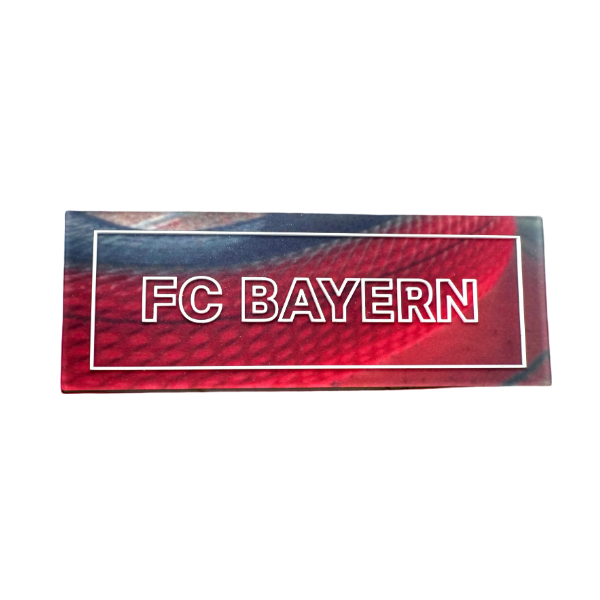
Heat transfer patches use heat-sensitive adhesive to bond designs to fabric. They can be printed with photographic details, gradients, or text and are ideal for quick application.
Pros: Cost-effective, easy to apply, and suitable for small batches.
Cons: Adhesive may weaken after repeated washing; not as durable as sewn patches.
Best for short-term promotions, event merchandise, or DIY customization.
5. Metallic or Foil-Stamped Patches
These patches feature a metallic foil layer applied to specific parts of the design (e.g., gold, silver, or holographic accents). They are often used to add luxury or highlight key elements.
Pros: Luxurious appearance; enhances visibility in low-light settings.
Cons: Foil may peel or fade over time.
Best for luxury brands, awards ceremonies, and high-end fashion.
6. Merrowed Edge Patches
Merrowed patches are a subset of embroidered or woven patches with a decorative stitched border (resembling a zig-zag or overlock stitch). The edge prevents fraying and adds a refined touch.
Pros: Durable, clean finish; enhances visual appeal.
Cons: Limited to specific border styles.
Best for corporate logos, military units, and heritage-themed apparel.
7. Velvet or Fuzzy Patches
Made from plush fabric, these patches add a tactile, textured element. They are often used for whimsical or retro designs.
Pros: Unique sensory appeal; soft to the touch.
Cons: Requires careful maintenance to avoid matting.
Best for children’s clothing, festival wear, and boutique fashion.
8. Glow-in-the-Dark or Reflective Patches
These patches incorporate luminescent or reflective materials for visibility in low-light conditions. They are often used for safety gear or novelty items.
Pros: Enhances safety; functional and fun.
Cons: Limited color options; reflective surfaces may wear off.
Best for construction uniforms, cycling apparel, and Halloween costumes.
Choosing the Right Patch
The ideal patch depends on factors like durability, design complexity, and intended use. For long-term wear, embroidered or woven patches are optimal. PVC or heat-transfer options suit budget-conscious projects, while metallic or glow-in-the-dark variants cater to niche needs. Always consult with a manufacturer to ensure material compatibility with your fabric and washing requirements.
Custom patches blend artistry with practicality, making them a powerful medium for self-expression or branding. Whether you’re designing a uniform or revamping a jacket, the right patch can elevate both aesthetics and functionality.
When confronted with the task of producing intricate design drafts of the highest quality, PEPHAWK is here to provide the perfect solution. With over 16 years of industry experience and our esteemed general manager boasting 31 years of expertise in the silicone industry, we are the ultimate choice for tackling your challenging logo design projects. Select PEPHAWK for our unmatched proficiency and rest assured in the impeccable outcomes we consistently deliver.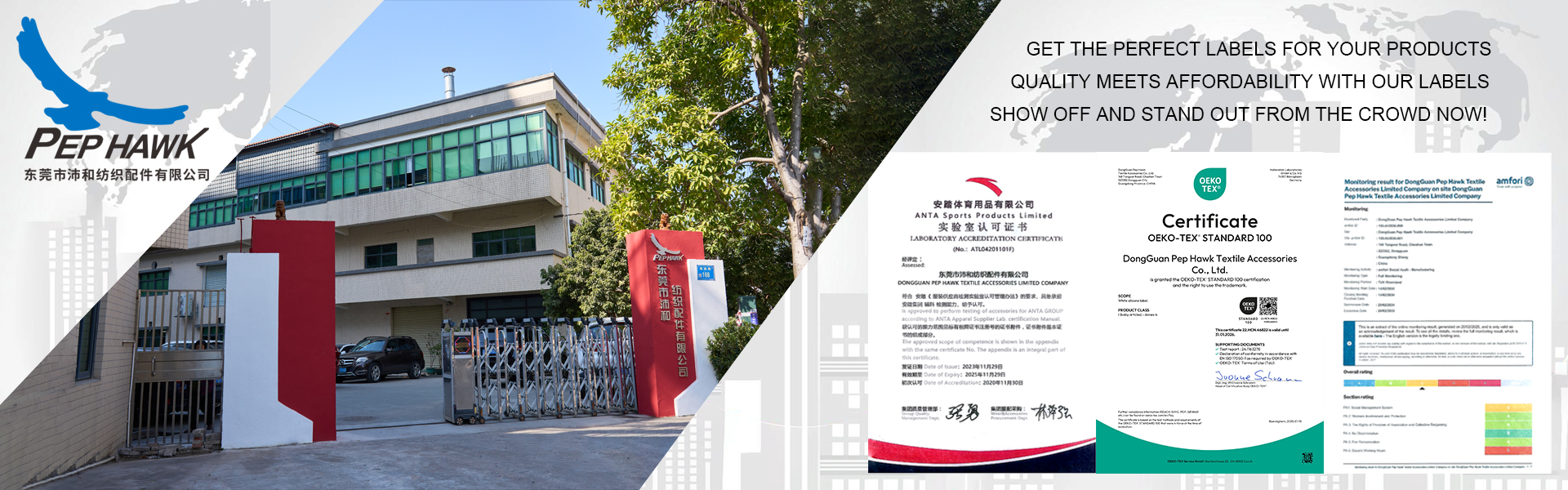
Comprehensive Guide to Ironing On Patches: Techniques for Different Types
Creating Embroidered Patches: Exploring Types and Techniques