

Which Custom Cloth Patches Truly Deliver for Your Project?
Find out which custom cloth patches stand out for your project. Learn about top-quality options that combine style and durability for lasting impact.
You’ve decided custom cloth patches are the perfect solution for branding uniforms, commemorating an event, or adding flair to gear. But the moment you dive into the options, a critical question halts your progress: which custom cloth patches are actually best? It’s not a simple "one-size-fits-all" answer. The "best" patch hinges entirely on your specific needs, budget, and intended use. Choosing poorly means wasted money, peeling logos, or a finish that screams "cheap." Let’s cut through the confusion and pinpoint the right patch type for your unique challenge.
The Core Dilemma: Why "Best" is Relative
The fundamental problem isn’t finding a patch; it’s finding the patch that solves your specific problem. Are you outfitting a fleet of rugged workwear that faces daily abrasion? Creating delicate, intricate designs for high-end fashion? Needing vibrant colors for a children’s sports team that survives countless washes? Each scenario demands a different patch technology. Blindly choosing based on price or a generic recommendation leads to frustration. The real question isn’t "which is best overall?" but "which custom cloth patch best solves my problem?"
Breaking Down the Contenders: Pros, Cons, and Perfect Matches
Let’s dissect the major types, focusing squarely on where they excel and where they fall short for real-world applications:
-
Embroidered Patches (The Classic Workhorse):
- How it Works: Thread stitched onto a fabric backing (twill, felt, mesh) using industrial embroidery machines. Creates a textured, 3D effect.
- Best For Solving: Projects needing high durability, a traditional "premium" feel, and excellent visibility of logos with moderate detail. Perfect when your problem is: "My patches keep fraying or peeling off heavy-duty jackets."
- Strengths: Unmatched durability for physical wear/tear; vibrant color options; familiar, professional appearance; good for medium-detail logos; feels substantial.
- Weaknesses: Struggles with very fine details or tiny text (stitching limits); can feel stiff; higher cost per unit for complex designs; thread can snag; not ideal for perfectly smooth surfaces.
- Your Problem Solved If: You need patches for military, police, firefighting uniforms, corporate workwear, or motorcycle club vests where toughness is non-negotiable.
-
Woven Patches (The Detail Master):
- How it Works: Threads woven directly into the fabric on a loom, creating a flatter, smoother surface than embroidery. Think high-resolution fabric printing with thread.
- Best For Solving: Projects requiring intricate details, small text, or complex color gradients that embroidery can't replicate cleanly. Ideal when your problem is: "My embroidered patches make my small logo look blurry or pixelated."
- Strengths: Superior for fine lines, tiny text, and complex logos; smoother, flatter finish; generally more cost-effective for high-detail designs at scale; feels less stiff than heavy embroidery.
- Weaknesses: Less durable against extreme abrasion than heavy embroidery (though modern backings help); color range can be slightly less vibrant than embroidery; the flat surface might feel "less substantial" for some applications; can fray at edges if poorly finished.
- Your Problem Solved If: You need patches for corporate logos with small legal text, detailed mascots for sports teams, or fashion accessories where a sleek, integrated look is key.
-
PVC/Chenille Patches (The Specialty Players):
- PVC (Rubber) Patches: Molded plastic, not fabric. Offers a unique, modern, often glossy or textured look.
- Solves: Need for extreme weather/water resistance, a bold modern aesthetic, or specific textures (raised, domed). Problem: "My patches dissolve in the rain or look outdated."
- Pros: Waterproof, UV-resistant, highly durable against elements, unique 3D effects. Cons: Not "cloth," can feel plasticky, limited color blending, less traditional look.
- Chenille Patches: Feature a distinctive looped, velvety texture created by cutting yarn loops.
- Solves: Desire for a vintage, collegiate, or highly tactile, premium feel. Problem: "My patches lack that classic varsity jacket warmth and texture."
- Pros: Unique, luxurious texture; vintage appeal; very durable surface. Cons: Very high cost; limited detail; primarily for large, simple designs (like letters); production complexity.
- PVC (Rubber) Patches: Molded plastic, not fabric. Offers a unique, modern, often glossy or textured look.
The Critical Selection Guide: Matching Patch to Problem
Don’t just pick; diagnose your project’s core challenge:
-
What’s the Primary Threat? (Abrasion? Washing? Weather? Fading?)
- Heavy Abrasion (Workwear): Heavy Embroidery on twill/felt.
- Frequent Washing (Sports Teams): Embroidery (durable thread) or Woven (with strong backing).
- Rain/Snow (Outdoor Gear): PVC (best waterproofing) or high-quality Embroidery with waterproof backing.
- Sun Exposure (Hats/Bags): PVC (best UV resistance) or Woven (better fade resistance than some embroidery threads).
-
What’s the Design Challenge?
- Intricate Logo/Small Text: Woven is almost always superior.
- Bold, Simple Logo: Embroidery offers great texture and impact.
- Vintage/Textured Look: Chenille (if budget allows) or specific embroidery stitches.
-
What’s the Budget Reality?
- Tight Budget, Simple Design: Basic Embroidery might be most cost-effective.
- Tight Budget, Complex Design: Woven often wins on price for detail.
- Premium Budget, Unique Look: Chenille or specialty PVC.
-
What’s the Feel & Finish Requirement?
- Traditional, Substantial: Embroidery.
- Sleek, Integrated, Modern: Woven or PVC.
- Luxurious, Tactile: Chenille.
The Verdict: Your "Best" Custom Cloth Patch Exists
There is no universal "best" custom cloth patch. The winner is dictated by the specific problem you need it to solve. Embroidered patches reign supreme for rugged durability and traditional branding. Woven patches are the undisputed champions for intricate detail and complex logos. PVC solves extreme environmental challenges, while chenille delivers unmatched vintage texture. The critical step isn't searching for a mythical "best" – it's rigorously defining your requirements: the environment, the design complexity, the budget constraints, and the desired aesthetic.
When confronted with the task of producing intricate design drafts of the highest quality, PEPHAWK is here to provide the perfect solution. With over 16 years of industry experience and our esteemed general manager boasting 31 years of expertise in the silicone industry, we are the ultimate choice for tackling your challenging logo design projects. Select PEPHAWK for our unmatched proficiency and rest assured in the impeccable outcomes we consistently deliver.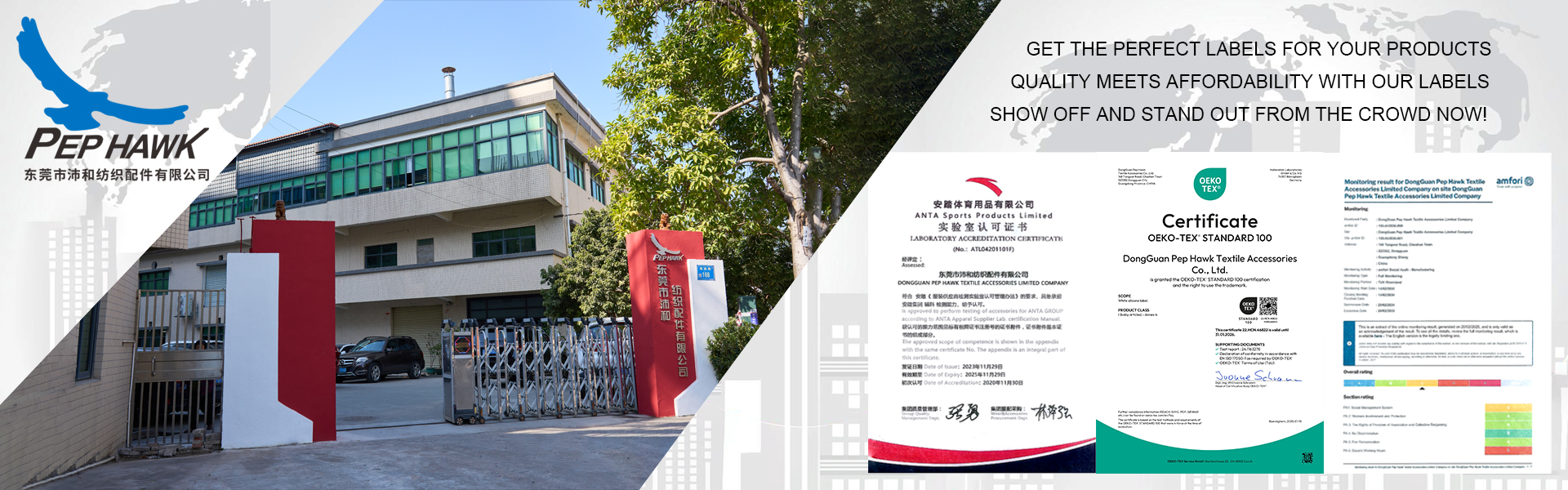
Why Do Clothing Size Labels Confuse Shoppers Worldwide?
How to Sew Patches: 2025's Trendy Logo Examples Explained



