

How to Choose Custom Cap Patches That Last Forever
Elevate your cap game with custom patches tailored to your taste. Unique designs and premium quality await. Visit us to create your perfect patch!
Prioritize Material Durability for Long-Term Performance
The foundation of a lasting custom cap patch lies in its material selection. Opt for high-density embroidery threads, such as 100% polyester or nylon blends, which resist fraying and fading under UV exposure and frequent washing. Avoid low-grade acrylic or cotton threads that degrade quickly. For woven patches, demand double-stitched borders and reinforced backing adhesives to prevent peeling. Clients should also inquire about waterproof laminates or Teflon coatings to protect against moisture and stains. Leading manufacturers use industrial-grade materials tested for abrasion resistance, ensuring patches maintain their integrity even in harsh environments.
Demand Precision in Design and Colorfastness Standards
A superior patch balances aesthetic appeal with technical precision. Work with designers who utilize vector-based software (e.g., Adobe Illustrator) to ensure crisp, scalable graphics free from pixelation. Colorfastness is critical: request patches dyed with high-performance pigments rated for at least 50 wash cycles without fading. For vibrant designs, choose sublimation printing over screen printing to achieve gradient effects and photorealistic details. Insist on Pantone color matching to guarantee consistency across bulk orders. Unique value propositions include 3D embroidery techniques for tactile depth and laser-cutting technology for intricate shapes that traditional methods cannot replicate.
Evaluate Manufacturing Techniques for Structural Integrity
Advanced manufacturing processes separate durable patches from disposable ones. Seek suppliers that employ automated embroidery machines with 12+ needles for seamless stitching and minimal thread breaks. For woven patches, verify that heat-sealed edges replace outdated merrow borders to eliminate fraying. Innovations like dual-layer adhesive backings (e.g., iron-on + sew-on hybrid options) provide versatility without compromising longevity. Ask about quality control measures: reputable vendors conduct peel-and-shear tests to validate adhesive strength and use digital colorimeters to ensure shade accuracy. Avoid hand-finished products unless specified for artisanal projects.
Optimize Patch Size and Placement for Functional Longevity
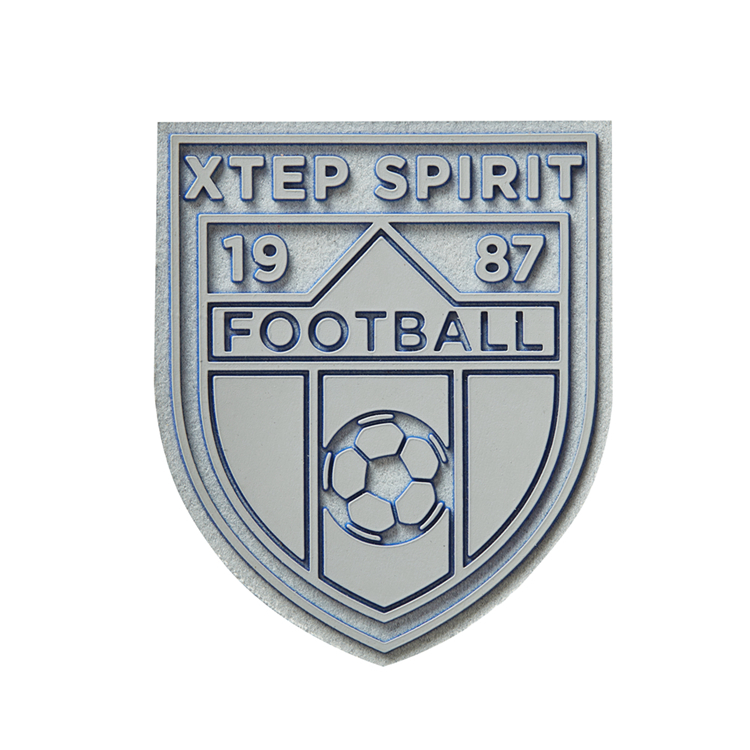
A patch’s lifespan is influenced by its dimensions and positioning on the cap. Overly large patches may warp fabric or create stress points; instead, follow the 2:3 height-to-width ratio for optimal balance. For curved surfaces like baseball caps, request contoured designs with flexible foam backing to prevent cracking. High-traffic areas (e.g., front panels) require thicker materials, while inner tags can use thinner weaves. Collaborate with cap designers to align patch placement with structural seams, reducing movement-induced wear. Some manufacturers offer custom molds for 3D-shaped patches that conform precisely to ergonomic curves.
Incorporate Eco-Friendly and Compliance-Certified Solutions
Modern clients prioritize sustainability without sacrificing quality. Specify patches made from recycled polyester or biodegradable materials like organic cotton, ensuring compliance with certifications such as OEKO-TEX® Standard 100 or REACH regulations. Eco-conscious production methods include waterless dyeing technologies and solvent-free adhesives. For corporate clients, emphasize traceable supply chains and carbon-neutral shipping options. Unique differentiators include antimicrobial treatments for odor resistance and flame-retardant finishes for industrial safety gear. Always verify that suppliers adhere to ISO 9001 quality management systems for consistent output.
Leverage Customization Technology for Scalable Uniqueness
Beyond basic personalization, advanced customization tools empower clients to create one-of-a-kind patches. Explore platforms with AI-driven design assistants that suggest layout adjustments for optimal visibility. Augmented reality (AR) previews allow clients to visualize patches on 3D cap models before production. For mass orders, digital twin technology ensures prototype accuracy by simulating real-world wear scenarios. Offer limited-edition serial numbering or QR code integration for traceability and anti-counterfeit measures. These innovations not only enhance client satisfaction but also position your brand as a tech-forward partner.
Implement Rigorous Testing Protocols Before Bulk Orders
Quality assurance is non-negotiable. Require samples subjected to accelerated aging tests, including 1,000+ hours of UV exposure, 100+ wash cycles, and tensile strength assessments. For military or tactical patches, confirm compliance with MIL-DTL-15013F standards for durability. Maintain transparency by sharing test results and offering third-party lab verification. Proactive suppliers pre-test patches on client-specified cap fabrics to identify compatibility issues. This meticulous approach minimizes returns and builds trust in your brand’s commitment to excellence.
Partner with Suppliers Offering Lifecycle Maintenance Support
Long-term partnerships thrive on post-purchase support. Choose vendors that provide care instructions, such as recommended washing temperatures and iron-on application guidelines. Some suppliers offer free reattachment services or replacement guarantees for defects detected within the first year. For enterprise clients, request dedicated account managers to streamline reorders and seasonal design updates. This holistic service model transforms a transactional exchange into a strategic collaboration, ensuring your patches remain a lasting emblem of quality.
T-Shirt Iron On Letters: Why Your Design Keeps Fading
5 Secrets to Perfectly Heat Press Patches on Hats



