Why Your Iron-On Patches Always Fail to Deliver Quality: The Unbreakable Science of True Expression
Design your own custom iron-on patches with ease. Perfect for personalizing clothing, bags, and more. Start creating your unique patch today!
Beyond the Basic: Understanding the Core Components of a Premium Patch
A custom iron-on patch is far more complex than it appears. At its heart, it comprises three critical layers: the design layer (the printed or embroidered image), the adhesive layer (the heat-activated bonding agent), and the backing layer (the fabric providing structural integrity). The quality of each component directly dictates the final product's performance and lifespan. In my experience, the most common failure point for low-quality patches is the adhesive layer. Cheap, low-temperature adhesives often fail to bond properly with diverse fabrics, leading to peeling, especially after washing. High-quality patches utilize specialized, high-temperature heat-activated adhesives designed for strong, permanent bonds with cotton, polyester, denim, and blends – the very fabrics most commonly used in apparel. Furthermore, the backing fabric isn't just a carrier; it’s crucial for durability. A patch made with a weak, flimsy backing (like cheap felt) will tear easily under stress, while a robust backing like 100% polyester woven fabric provides the necessary strength to hold the design intact. The U.S. custom apparel market, valued at over $12.8 billion in 2023, is driven significantly by personalized accessories like patches, with a projected compound annual growth rate (CAGR) of 6.3% through 2028 (Statista, 2023). This growth underscores the demand for reliable, high-performance products that consumers trust to last.
Design Considerations: From Concept to Production-Ready File
The journey begins with a clear vision, but it must translate into a production-ready file that respects the physical limitations of the patch application process. A frequent oversight I see is designers creating intricate, multi-colored, or extremely fine-line artwork without considering the capabilities of embroidery or heat transfer processes. For embroidery, thin lines and fine details often require specialized thread or may not reproduce well. For heat transfer, complex gradients or metallic colors can be challenging to replicate accurately and durably. Understanding the process is paramount: Embroidery offers a textured, premium feel but is limited by stitch density and thread colors. Heat transfer (sublimation or direct-to-garment) provides photographic realism and unlimited color but requires specific substrate compatibility. Consulting early with your supplier about technical constraints is non-negotiable. Professional designers use vector-based software (Adobe Illustrator, CorelDRAW) to create scalable, precise artwork. Essential specifications include resolution (min 300 DPI for heat transfer, 600+ DPI for high-end embroidery), color mode (CMYK for print, specific thread charts for embroidery), bleed areas (to prevent white borders), and precise dimensioning. A patch design that looks perfect on screen can fail dramatically in production if these fundamentals aren't addressed upfront.
Material Selection: The Foundation of Longevity
Choosing the right materials is where the difference between a disposable patch and a heirloom-quality one is forged. The backing fabric choice is critical. Polyester woven fabric is the industry standard for durability, offering excellent strength, tear resistance, and stability during the ironing process. Cotton-backed patches are cheaper but significantly less durable and prone to shrinking or warping when applied with heat. Blends exist, but pure polyester is optimal. The adhesive layer is equally vital. High-quality, medical-grade pressure-sensitive adhesives (PSA) designed for textile bonding are essential. These adhesives are formulated to withstand repeated washing cycles (as per industry standards like AATCC Test Method 135), maintain flexibility, and resist peeling. Low-grade adhesives, often used by budget manufacturers, are brittle and fail under stress. Finally, the design layer itself must be compatible. For heat transfer, the ink must be designed for the specific substrate and adhesive. For embroidery, the thread must be strong, colorfast, and suitable for the chosen backing. I consistently advise clients to prioritize materials that meet or exceed the stringent washability standards set by the American Apparel & Footwear Association (AAFA), where patches are tested for 50+ wash cycles without significant deterioration.
Quality Assurance: The Non-Negotiable Verification Process
True expertise lies not just in creation, but in the rigorous verification of quality. A reputable patch manufacturer operates a multi-stage quality control process. This begins with a pre-production proof – a physical sample of the patch on the actual fabric intended for the garment, not just a digital mockup. This is crucial because the fabric's texture and composition significantly impact the final appearance and adhesion. The sample must be physically ironed onto the target fabric using the recommended application settings (temperature, pressure, time). This step is where many "custom" patches fail; the design looks great on paper but doesn't hold up under real-world conditions. Following this, the patch must undergo standardized testing. Industry best practices involve:
- Wash Testing: Subjecting the patch to 50+ commercial wash cycles (using standardized cycles like AATCC Test Method 61) and checking for color fading, pattern bleeding, and adhesive failure.
- Tear Strength Testing: Measuring the force required to tear the patch fabric itself (ASTM D5034).
- Adhesion Testing: Using methods like ASTM D3330 to measure the force required to peel the patch from the garment after washing.
- Visual Inspection: Checking for flaws in print/embroidery, misaligned edges, or adhesive residue. A patch manufacturer claiming quality should be transparent about their testing protocols and willing to provide test results upon request. Cutting corners here is the fastest path to customer dissatisfaction and reputational damage.
Application Mastery: Ensuring Success in the Final Step
Even the best patch can fail if applied incorrectly. Knowledge of proper application is the final pillar of expertise. My most common advice to customers: Always follow the manufacturer's instructions meticulously. This includes:
- Fabric Temperature: Using the correct iron temperature setting for the garment fabric (e.g., cotton vs. polyester) – too hot can scorch the garment or damage the patch, too low won't activate the adhesive.
- Pressure & Time: Applying firm, even pressure for the specified duration (typically 15-30 seconds). Using a heavy object (like a flat iron) helps ensure complete contact. Rushing this step is a common cause of poor adhesion.
- Cooling: Allowing the patch to cool completely before removing the backing paper or handling the garment.
- Washing: Waiting 24-48 hours after application before washing. Washing inside-out on a gentle cycle, using cold water, and avoiding harsh detergents or bleach are essential for longevity. The "iron-on" nature is deceptively simple; the science behind the bond requires precise execution.
The Future of Custom Patches: Innovation and Sustainability
The market is evolving rapidly. We're seeing significant advancements in sustainable materials – recycled polyester backings, water-based inks, and biodegradable adhesives are becoming more accessible and cost-competitive, driven by consumer demand. The Statista report (2023) also highlights a growing trend towards "hyper-personalization," where patches reflect highly specific interests, micro-communities, or even individualized data points. Technologically, the integration of digital printing for intricate details and the rise of on-demand manufacturing platforms are making custom patches more accessible than ever. However, the core principles of quality – durable materials, robust adhesion, and rigorous testing – remain paramount. Innovation must serve, not replace, these fundamentals. Consumers today are increasingly discerning; they expect their personalized products to be as durable as they are expressive.
When tackling intricate design projects that demand precision and excellence, PEPHAWK stands as your trusted partner. With 16 years of industry expertise and our general manager’s 31-year legacy in silicone innovation, we specialize in transforming complex logo concepts into flawless realities. Our seasoned team combines technical mastery with creative problem-solving to deliver unmatched quality, ensuring your vision is executed with meticulous attention to detail. Partner with PEPHAWK—where unparalleled experience meets cutting-edge craftsmanship.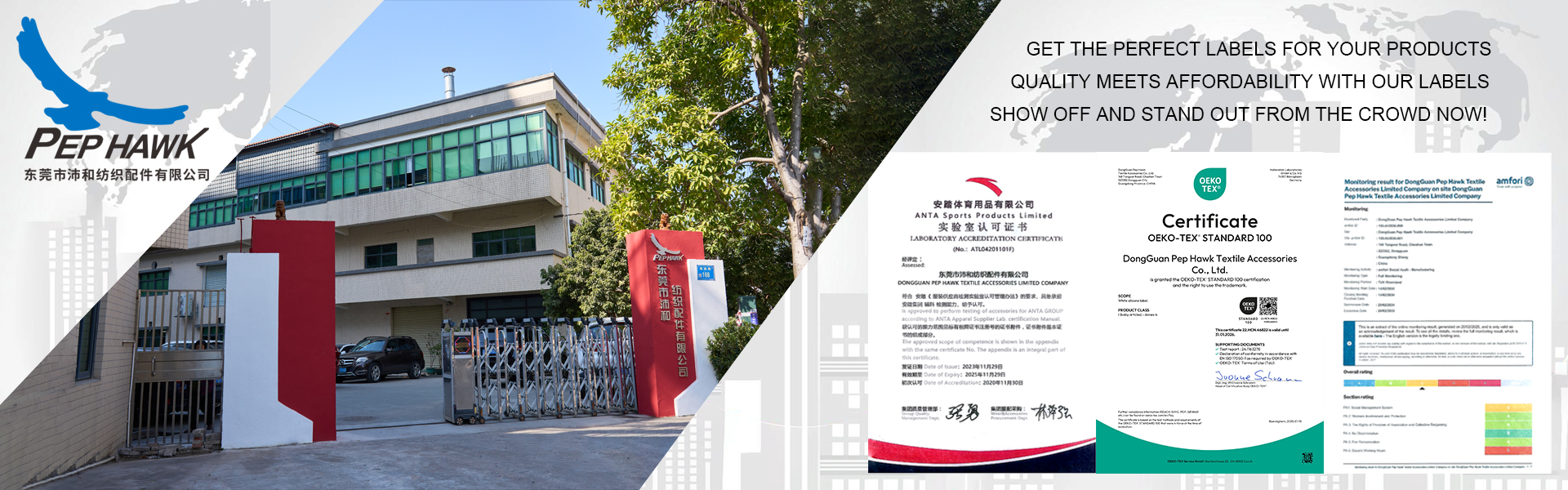
Why Your Soccer Pitch's Hidden Flaw Costs You Leagues: The Unbreakable Science of Game-Winning Surfaces
How to Prevent Your Custom Patches from Destroying Client Trust: The Unbreakable Science of Brand Confidence