

Crafting Coat Patches That Elevate Brand Appeal: Insights from an Apparel Label Manufacturer
2026-01-13
Unleash your creativity with our stylish coat patches. Perfect for jackets and bags, our designs let you express your individuality effortlessly.
Table of Contents
- Align Patch Design with Brand Identity: The Foundation of Brand Enhancement
- Prioritize Premium Materials & Exquisite Craftsmanship: Build Perceived Brand Quality
- Integrate Functionality with Aesthetics: Enhance User Experience & Brand Loyalty
- Embrace Sustainability & Ethical Practices: Align with Modern Brand Values
- Offer Customization & Flexibility: Cater to Brand Uniqueness
- Ensure Quality Control & Consistency: Safeguard Brand Reputation
- Conclusion
In the competitive landscape of fashion, where every detail contributes to a brand’s identity and market positioning, coat patches have evolved far beyond mere decorative accents. As a seasoned apparel label manufacturer, we recognize that well-crafted coat patches serve as mobile brand ambassadors—tangible expressions of a brand’s values, quality commitment, and unique aesthetic. When designed and produced with intentionality, these small yet impactful elements can significantly enhance brand recognition, perceived value, and customer loyalty. This article delves into the key strategies for creating coat patches that not only complement outerwear but also elevate the brands they represent.
Align Patch Design with Brand Identity: The Foundation of Brand Enhancement
The first and foremost principle in crafting brand-boosting coat patches is ensuring seamless alignment with the brand’s core identity. A patch that conflicts with a brand’s aesthetic or values can confuse consumers and dilute brand messaging, while one that resonates authentically strengthens brand recall. To achieve this alignment, manufacturers must prioritize three key aspects: reflecting brand aesthetic, embodying core values, and catering to the target audience.
Brand aesthetic alignment requires translating a brand’s unique style into patch design language. For luxury brands specializing in high-end trench coats or woolen outerwear, intricate hand embroidery with subtle color palettes and refined typography can convey elegance and craftsmanship. In contrast, streetwear brands may opt for bold, graphic-driven patches with vibrant hues and edgy silhouettes to match their rebellious, youth-focused image. Outdoor brands, meanwhile, might lean into minimalist designs with nature-inspired motifs that echo their connection to adventure and functionality. Crucially, integrating signature brand elements—such as logos, iconic patterns, or brand colors—must be done harmoniously, avoiding overcrowding that can make patches appear cluttered and unprofessional.
Beyond aesthetics, patches should embody a brand’s core values. For sustainable brands committed to eco-consciousness, patches made from organic cotton or recycled polyester, with plant-based dyes and hand-stitched details, can visually communicate their environmental mission. Artisanal brands, on the other hand, might highlight craftsmanship through hand-embroidered accents or vintage-inspired techniques that reflect their dedication to traditional manufacturing. By infusing these values into patch design, manufacturers help brands turn decorative elements into storytelling tools that resonate with like-minded consumers.
Finally, design must be tailored to the brand’s target audience. Youth-oriented brands may experiment with playful shapes—such as geometric patterns or pop-culture references—and interactive elements like detachable patches to appeal to younger consumers’ desire for versatility and self-expression. In contrast, mature luxury brands catering to discerning shoppers may prioritize sleek, understated patches with refined materials and precise detailing that align with their audience’s preference for timeless elegance. Understanding the audience’s tastes and needs ensures that patches not only enhance the coat’s appearance but also resonate with the end-user on a personal level.
Prioritize Premium Materials & Exquisite Craftsmanship: Build Perceived Brand Quality
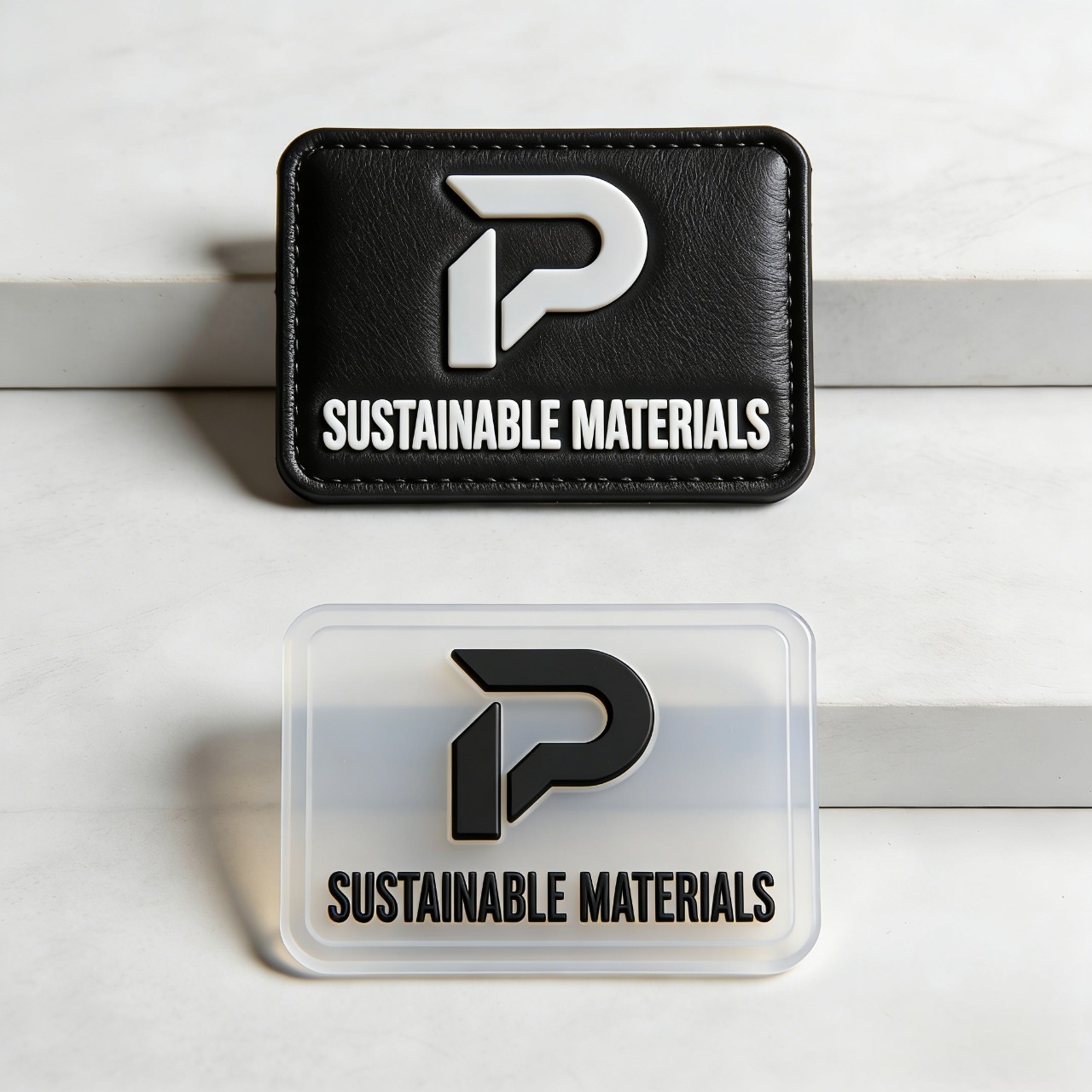
The materials and craftsmanship of a coat patch directly impact how consumers perceive a brand’s quality. A poorly made patch with cheap materials can undermine even the most luxurious outerwear, while a well-crafted patch with premium materials elevates the entire product, signaling attention to detail and commitment to excellence. As manufacturers, we must carefully select materials and master techniques that align with the brand’s positioning and the coat’s intended use.
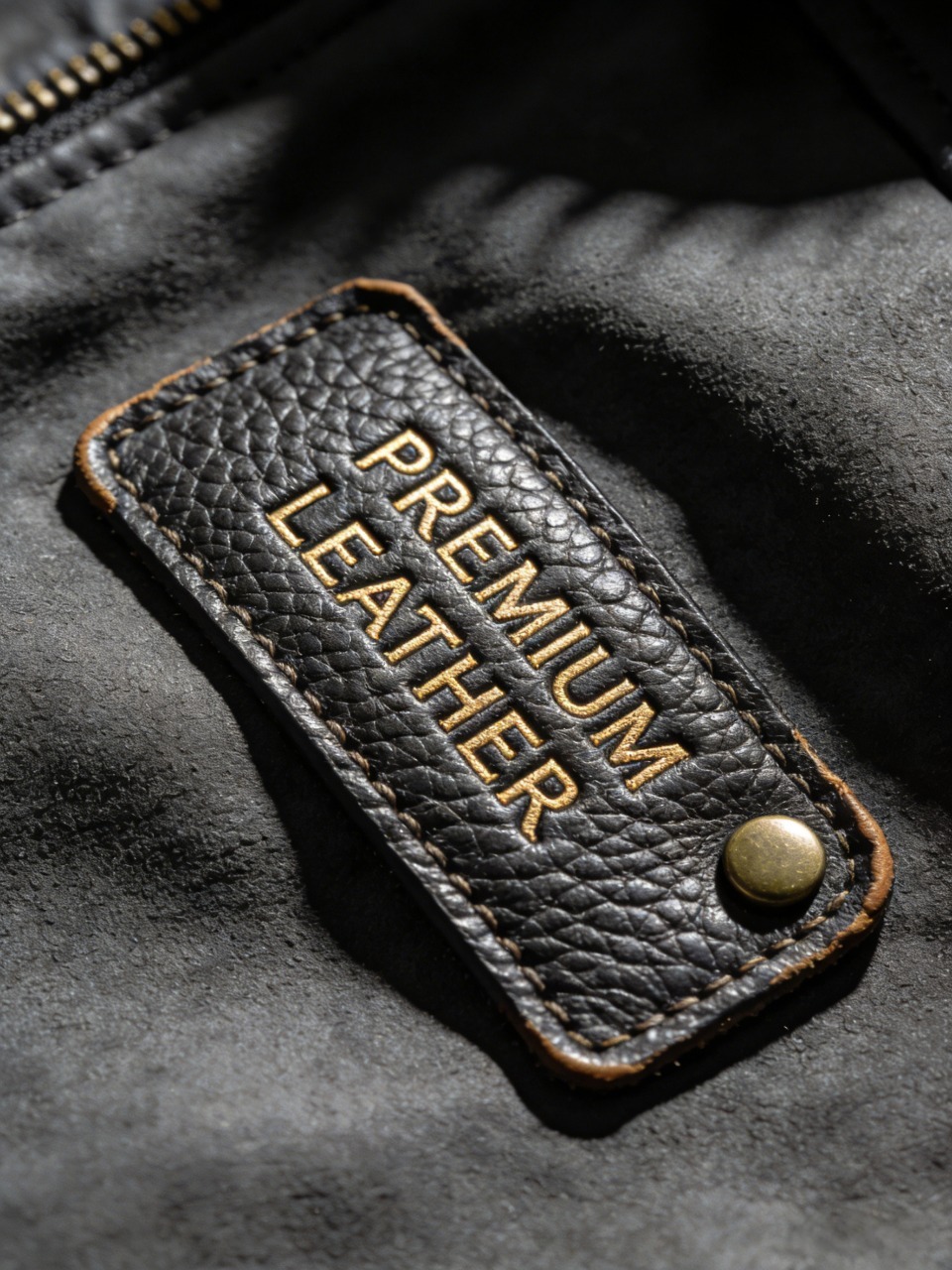
Material selection requires balancing aesthetics, durability, and compatibility with coat fabrics. For casual cotton coats or denim jackets, cotton twill patches offer a durable, breathable option that complements the fabric’s texture. Winter outerwear like wool coats or parkas may benefit from leather, felt, or faux fur patches that add warmth and luxury while withstanding cold weather. Sustainable brands may opt for recycled textiles, such as regenerated nylon or organic hemp, to reinforce their eco-friendly values. Regardless of the material, prioritizing high-grade components—such as fade-resistant threads, tear-proof bases, and colorfast dyes—is non-negotiable. These details ensure that patches maintain their appearance through frequent wear, washing, and exposure to the elements, prolonging their lifespan and extending brand exposure.
Exquisite craftsmanship is equally critical to elevating patch quality. Manufacturers must adopt techniques that align with the brand’s style and the patch’s design. Embroidery, a timeless technique, offers versatility—from delicate hand-embroidered details for luxury brands to bold machine embroidery for streetwear. Heat transfer patches are ideal for brands seeking full-color graphics or quick production, while laser cutting ensures precise, clean edges for modern, minimalist designs. Appliqué, which involves layering fabrics to create dimension, is perfect for adding texture and depth to patches. For brands looking to stand out, innovative techniques like 3D embroidery (which creates a raised, tactile effect), metallic thread accents (for a touch of luxury), or glow-in-the-dark threads (for functional outdoor brands) can add a unique edge that sets the brand apart from competitors.
Attention to detail is the hallmark of superior craftsmanship. This includes neat, consistent stitching (with no loose threads or uneven lines), precise edge finishing (such as serging or heat-sealing to prevent fraying), and accurate color matching (ensuring patches adhere strictly to the brand’s color standards). Even small flaws—like misaligned logos or faded colors—can compromise the patch’s appearance and, by extension, the brand’s reputation. By prioritizing these details, manufacturers ensure that patches reflect the same level of quality as the coats they adorn.
Integrate Functionality with Aesthetics: Enhance User Experience & Brand Loyalty
While aesthetics are important, coat patches that combine functionality with visual appeal create greater value for consumers, fostering brand loyalty and positive word-of-mouth. A patch that is only decorative may be overlooked, but one that serves a practical purpose becomes an integral part of the coat’s design, enhancing the user experience and reinforcing the brand’s commitment to customer-centricity.
Durability is a key functional consideration. Coats, especially outerwear, are subjected to frequent wear, washing, and varying weather conditions. Patches must be designed to withstand these stresses—for example, outdoor brands may add water-resistant coatings to patches to protect them from rain and snow, while casual brands may use shrink-proof materials to ensure patches retain their shape after washing. By ensuring long-term durability, patches maintain their appearance over time, providing ongoing brand exposure and reminding consumers of the brand’s quality.
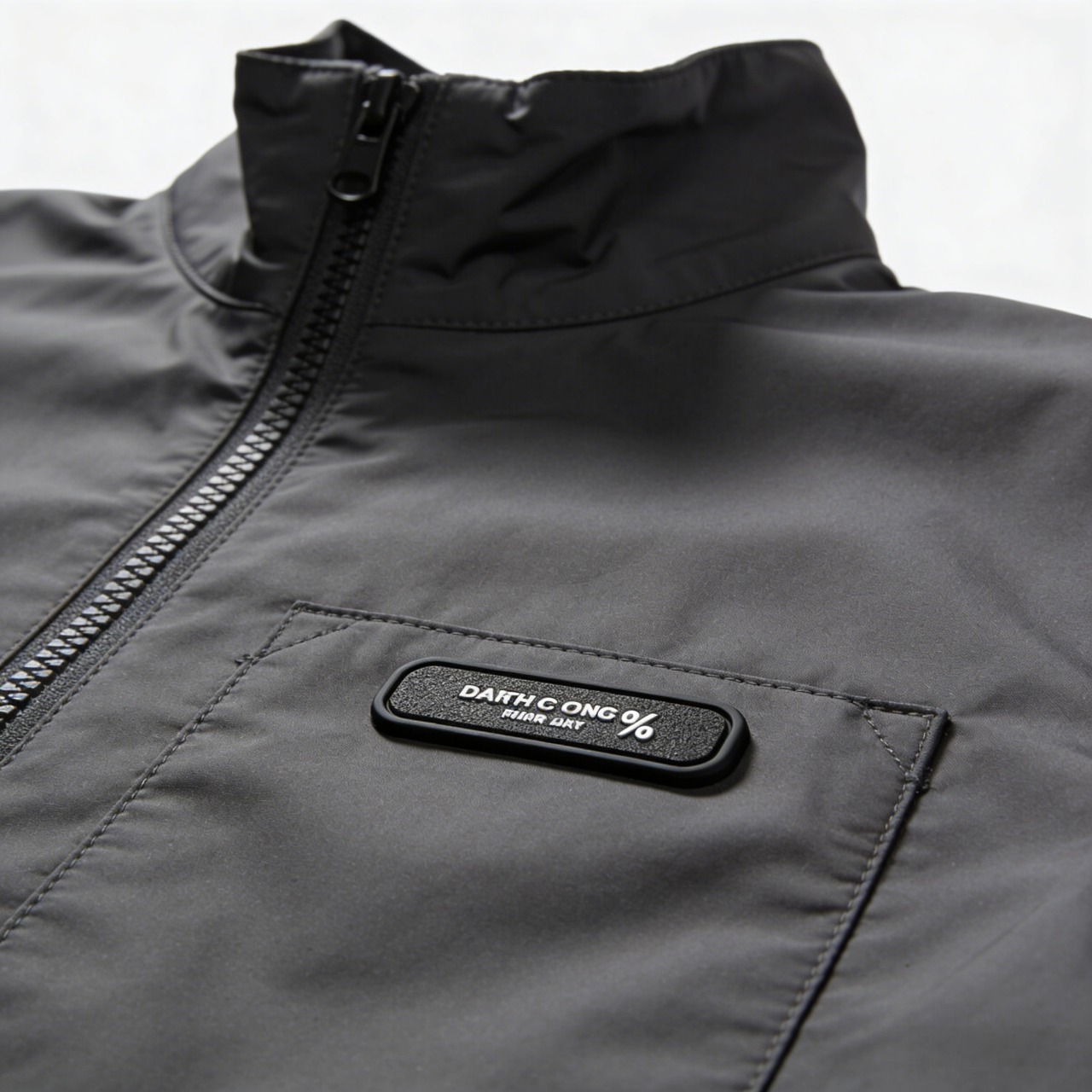
Practical add-ons can further enhance a patch’s functionality. Detachable patches, secured with snaps or Velcro, allow consumers to customize their coats, swapping patches to match different outfits or occasions—this versatility appeals to fashion-forward consumers and extends the coat’s wearability. Reflective details on patches are ideal for safety-focused outdoor brands, enhancing visibility in low-light conditions while adding a modern touch. For工装 or utility brands, small patch-integrated utility pockets (for storing keys or lip balm) or loop attachments (for hanging tools or accessories) add practical value that aligns with the brand’s functional identity. These features transform patches from decorative elements into useful tools, deepening the consumer’s connection to the brand.
Comfort should never be sacrificed for aesthetics or functionality. Patches with sharp edges, bulky layers, or irritating materials can make coats uncomfortable to wear, leading to customer dissatisfaction. Manufacturers must ensure that patches are lightweight, smooth-edged, and made from skin-friendly materials. For example, using soft, flexible threads and avoiding thick, rigid backings can prevent irritation, while trimming excess fabric or threads eliminates sharp edges. By prioritizing comfort, manufacturers help brands create coats that consumers love to wear—ultimately boosting brand loyalty and repeat purchases.
Embrace Sustainability & Ethical Practices: Align with Modern Brand Values
In today’s fashion landscape, sustainability and ethical practices are no longer optional—they are essential for brands looking to appeal to conscious consumers. As a label manufacturer, incorporating eco-friendly and ethical practices into patch production not only supports brands’ sustainability goals but also helps them build trust with consumers who prioritize environmental and social responsibility.
Eco-friendly production starts with material selection. Opting for sustainable materials—such as organic cotton (grown without harmful pesticides), recycled polyester (made from plastic bottles), or plant-based dyes (derived from natural sources like indigo or turmeric)—reduces the environmental impact of patches. Additionally, adopting low-waste manufacturing processes can minimize waste: for example, using pattern-cutting techniques that maximize fabric usage, recycling fabric scraps for small patch details, or investing in energy-efficient production lines to reduce carbon emissions. These practices not only align with brands’ green initiatives but also appeal to eco-conscious consumers who are willing to pay more for sustainable products.
Transparency and accountability are equally important in ethical patch production. Brands increasingly seek to communicate their supply chain practices to consumers, and manufacturers can support this by providing traceability for materials—for example, certifying that recycled fabrics come from verified sources or that organic materials are certified by reputable organizations like GOTS (Global Organic Textile Standard). Additionally, ensuring ethical production practices—such as fair labor conditions, living wages for workers, and safe working environments—reinforces brands’ commitment to social responsibility. By providing these credentials, manufacturers help brands build credibility and trust with consumers who value ethical fashion.
Offer Customization & Flexibility: Cater to Brand Uniqueness
Every brand has unique needs and visions, and a one-size-fits-all approach to patch production fails to capture this individuality. As manufacturers, offering fully customizable solutions and flexible services allows brands to create patches that reflect their unique identity and meet their specific requirements—whether they’re designing patches for a limited-edition collection or a mass-produced line of coats.
Fully customizable options are essential for brand uniqueness. This includes flexibility in size (from small, subtle patches for collars to large, statement patches for chests or sleeves), shape (from classic rectangles to custom silhouettes that mirror the brand’s logo or iconic motifs), color (adhering strictly to brand color palettes or offering custom dye matches), and technique (allowing brands to choose the best method for their design and budget). Additionally, supporting custom placement ensures that patches complement the coat’s silhouette—for example, a slim, vertical patch for sleeve cuffs or a large, bold patch for the back of a parka. By offering these customization options, manufacturers enable brands to create patches that are truly one-of-a-kind, setting them apart from competitors.
Flexibility in production volume is also critical. Emerging brands may require small-batch trials to test patch designs before scaling up, while established brands may need large-scale production for seasonal collections. Manufacturers must be able to accommodate both, offering competitive pricing and quick turnaround times for small batches without compromising quality, and maintaining consistency and efficiency for large orders. Additionally, providing collaborative design support—such as helping brands refine patch proportions for specific coat styles, testing material compatibility with different fabrics, or suggesting design adjustments to improve durability—ensures that patches align with the brand’s overall product vision. This collaborative approach transforms manufacturers into partners, helping brands bring their creative ideas to life.
Ensure Quality Control & Consistency: Safeguard Brand Reputation
Quality control and consistency are non-negotiable when it comes to coat patches. A single defective patch can damage a brand’s reputation, while inconsistent quality across a production run undermines professionalism and consumer trust. As manufacturers, implementing rigorous quality control processes and ensuring batch consistency is essential to safeguarding the brands we partner with.
Rigorous quality checks should be implemented at every stage of production. Material pre-testing ensures that fabrics, threads, and dyes meet quality standards—for example, testing color fastness to washing and light, checking thread strength, and verifying that materials are free from defects. In-production checks monitor stitching precision, edge finishing, and color accuracy, allowing manufacturers to address issues before they escalate. Final audits inspect each patch for size consistency, defect-free finishes, and adherence to the brand’s design specifications. Any patches that fail to meet these standards should be discarded, ensuring that only high-quality products reach the brand.
Batch consistency is equally important. Brands rely on manufacturers to produce patches that are identical in appearance, size, and quality across an entire order. Even minor discrepancies—such as slight color variations or differences in stitching density—can make patches appear unprofessional and damage the brand’s image. To ensure consistency, manufacturers should use standardized production processes, calibrate equipment regularly, and train workers to follow strict guidelines. Additionally, maintaining detailed production records allows manufacturers to trace any issues back to their source, ensuring that mistakes are not repeated in future orders.
Post-production support further reinforces quality. Offering a warranty for manufacturing defects gives brands peace of mind, knowing that any issues will be resolved promptly. Responsive communication—addressing brand inquiries quickly and providing updates on production status—builds trust and strengthens the manufacturer-brand relationship. By standing behind their products and supporting brands after delivery, manufacturers demonstrate their commitment to quality and customer satisfaction.
Conclusion
Coat patches are powerful tools for enhancing brand appeal—when crafted with intention, they serve as tangible expressions of a brand’s identity, quality, and values. As apparel label manufacturers, our role is to merge design expertise, premium materials, and meticulous craftsmanship to create patches that not only complement outerwear but also elevate the brands they represent. By aligning patch design with brand identity, prioritizing quality materials and craftsmanship, integrating functionality with aesthetics, embracing sustainability, offering customization, and ensuring rigorous quality control, we help brands turn simple patches into valuable assets that resonate with consumers and strengthen brand loyalty.
In an increasingly competitive fashion market, it is the small details—like a well-crafted coat patch—that set brands apart. By focusing on these details and partnering with brands to bring their visions to life, manufacturers can play a pivotal role in helping brands shine, one patch at a time.
PEPHAWK is proud to highlight ourintegrated one-stop service—seamlessly combining professional design, R&D, and manufacturing capabilities to deliver cohesive, end-to-end solutions for our valued clients.
Our core product range covers a diverse selection of high-quality accessories and silicone-based items, including:
- Garment Accessories: Silicone Labels, Micro Fiber Labels, TPU Labels, Leather Labels
- Electronic & Lifestyle Gadgets: Silicone Mobile Phone Skins, Silicone MP3 Skins, Silicone Chaplets, Silicone Bracelets
Beyond our core offerings, we also connect clients with complementary products through our trusted affiliated companies, ensuring all your needs are met under one partnership.
What sets us apart is our specialized expertise in key manufacturing processes: Silk Screen Printing, High-Frequency Welding, Sublimation Printing, Seamless Fabric Processing, and Laser Cutting. These capabilities allow us to serve a wide array of industries—from garments, shoes, caps, and gloves to electronic devices, bags, and sporting equipment—with products that blend durability, functionality, and aesthetic appeal.
At PEPHAWK, customer satisfaction is our top priority. We’re committed to providing responsive, thorough support, andguarantee a same-day response to all inquiries—no exceptions. You can rely on us for consistent quality, reliable delivery, and a partnership that’s as efficient as it is trustworthy.
Whether you’re looking for custom apparel labels, protective silicone skins, or tailored manufacturing solutions, PEPHAWK has the expertise and flexibility to bring your vision to life.
How to Rock Different Pattern Patches on Leather Coats
Choose the Right Patch Shape: Custom Patch Shapes Make Your Apparel Stand Out




SEND MESSAGE