Clothing Logo Patches: Types, Materials, and Branding Applications
2026-04-18
Table of Contents
Clothing logo patches are a versatile, durable, and stylish way to showcase your brand identity on garments, accessories, and more.
Whether you’re a small business owner, a fashion designer, or a brand manager, understanding the ins and outs of logo patches will help you make informed decisions that elevate your products.
This blog covers everything you need to know about clothing logo patches—from the different types and materials to production crafts, applications, and customization tips. We’ve included easy-to-read tables and short paragraphs to keep things clear and actionable.
1. What Are Clothing Logo Patches?
Clothing logo patches are decorative or informational pieces attached to garments (or accessories) to display a brand’s logo, slogan, or design. Unlike printed logos, patches are 3D or textured, adding depth and tactile appeal to clothing.
They serve two key purposes: branding and decoration. A high-quality patch reinforces brand recognition, making your products more memorable to customers. It also adds a unique, premium touch that printed logos often lack—perfect for elevating casual wear, workwear, or luxury items.
Logo patches are used across nearly every apparel category, from streetwear and sportswear to uniforms and high-end fashion. They’re also popular for limited-edition collections, as they can be produced in small batches without high setup costs.
2. Common Types of Clothing Logo Patches
Not all logo patches are the same. The type you choose depends on your brand style, budget, and the garment’s intended use. Below is a breakdown of the most popular types, with key details in the table.
|
Patch Type
|
Key Features
|
Best For
|
|---|---|---|
|
Embroidered Patches
|
Textured, 3D look; made with thread; available in bright colors
|
Casual wear, jackets, hats, classic branding
|
|
Woven Patches
|
Smooth, flat surface; fine details; ideal for small logos
|
Dress shirts, uniforms, luxury apparel
|
|
Silicone/Rubber Patches
|
Flexible, waterproof; soft to the touch; durable
|
Sportswear, swimwear, outdoor gear
|
|
PVC Patches
|
Thick, durable; resistant to wear, water, and chemicals
|
Workwear, military gear, heavy-duty clothing
|
|
Leather/Faux Leather Patches
|
Premium, rustic look; available in genuine or synthetic leather
|
Jeans, jackets, luxury accessories
|
|
Heat-Transfer Patches
|
Easy to apply (iron-on); thin, lightweight; low cost for large batches
|
T-shirts, hoodies, mass-produced apparel
|
|
Chenille & Felt Patches
|
Soft, fuzzy texture; bold, retro look; often used for letters/numbers
|
Varsity jackets, streetwear, retro-inspired collections
|

Embroidered patches are the most popular choice for most brands, thanks to their versatility and classic look. Woven patches are better for small, intricate logos, while silicone and PVC patches are ideal for outdoor or high-wear items.
3. Materials & Production Crafts
The quality and appearance of a logo patch depend largely on its materials and production process. Below, we break down the key components and crafts, with a table comparing common materials.
3.1 Key Materials
|
Material Type
|
Pros
|
Cons
|
|---|---|---|
|
Cotton Thread (Embroidery)
|
Soft, breathable; wide color range; affordable
|
Less durable than synthetic threads; may fade over time
|
|
Polyester Thread (Embroidery)
|
Durable, colorfast; resistant to fading and washing
|
Slightly stiffer than cotton; less natural feel
|
|
Silicone
|
Flexible, waterproof; soft to the touch; long-lasting
|
Higher cost than thread-based patches; limited color options
|
|
PVC
|
Extremely durable; resistant to wear, chemicals, and water
|
Rigid; less flexible than silicone; heavier
|
|
Leather/Faux Leather
|
Premium look; durable; ages well
|
Expensive (genuine leather); may crack if not cared for
|
|
Felt/Chenille
|
Soft, fuzzy texture; retro aesthetic; affordable
|
Prone to pilling; not waterproof
|
3.2 Production Crafts & Backing Types
The production process varies by patch type, but most patches go through design, cutting, and finishing steps. The backing type is also crucial—it determines how the patch is attached to the garment.
|
Backing Type
|
Application Method
|
Best For
|
|---|---|---|
|
Sew-On
|
Sewn directly to the garment with thread
|
Heavy-duty clothing, leather items, long-lasting attachment
|
|
Iron-On
|
Heat-activated adhesive; ironed onto the garment
|
T-shirts, hoodies, quick application for small batches
|
|
Adhesive (Peel-and-Stick)
|
Self-adhesive; no heat or sewing required
|
Temporary use, promotional items, quick fixes
|
|
Hook-and-Loop (Velcro)
|
Hook side on patch, loop side on garment; removable
|
Uniforms, military gear, patches that need to be swapped
|

Edge treatment is another important detail. Merrowed borders (stitched edges) are classic for embroidered patches, while cut borders (laser-cut or die-cut) give a clean, modern look. Laser-cut edges are ideal for intricate shapes and small patches.
4. Applications & Style Matching
Logo patches work with almost any garment or accessory, but choosing the right patch for your item is key to achieving a cohesive look. Below are common applications and style matching tips.
4.1 Common Applications
-
T-shirts & Hoodies: Heat-transfer or embroidered patches work best here. Place them on the chest (left or center) for a classic look, or on the sleeve for a more modern touch.
-
Jackets & Coats: Embroidered, leather, or PVC patches add warmth and texture. Place them on the shoulder, chest, or sleeve for visibility.
-
Jeans & Trousers: Leather or woven patches are perfect for the back pocket (a classic jean detail) or the waistband.
-
Workwear & Uniforms: PVC or embroidered patches are durable enough for daily wear. They can display company logos, job titles, or safety information.
-
Hats & Bags: Small embroidered or woven patches fit well on hat brims or bag straps, adding a subtle brand touch.
-
Sportswear: Silicone or heat-transfer patches are lightweight and flexible, making them ideal for activewear like jerseys or workout leggings.
4.2 Style Matching
|
Garment Style
|
Recommended Patch Type
|
Design Tip
|
|---|---|---|
|
Casual (T-shirts, hoodies)
|
Embroidered, heat-transfer
|
Keep designs simple; use bold colors for visibility
|
|
Streetwear
|
Chenille, PVC, embroidered
|
Use large, bold designs; mix textures (e.g., leather + embroidery)
|
|
Business/Corporate (Uniforms, dress shirts)
|
Woven, small embroidered
|
Stick to neutral colors; keep logos minimal and professional
|
|
Outdoor/Activewear
|
Silicone, PVC
|
Choose waterproof materials; use bright colors for visibility
|
|
Luxury (Leather jackets, designer bags)
|
Leather, woven
|
Opt for subtle, high-quality materials; avoid overly bold designs
|
5. Customization Features & Advantages
One of the biggest benefits of logo patches is their customization options. Whether you have a small budget or a unique design vision, you can create patches that fit your brand perfectly.
5.1 Customization Options
Most patch manufacturers offer full customization, including:
-
Shape: Any shape (circular, square, custom logos, irregular shapes)
-
Size: From small (1 inch) to large (6+ inches)
-
Color: Pantone-matched colors to match your brand palette
-
Design: Logos, slogans, graphics, or a combination
-
Backing: Choose the best backing for your application (sew-on, iron-on, etc.)
5.2 Key Advantages
Logo patches offer several advantages over printed logos:
-
Durability: Most patches are resistant to washing, fading, and wear—they last longer than printed logos, especially on high-wear items.
-
Brand Recognition: The 3D/textured look makes patches more eye-catching, helping your brand stand out.
-
Versatility: They work on almost any fabric, from cotton and polyester to leather and denim.
-
Cost-Effective: Small-batch customization is affordable, making patches ideal for startups and limited-edition collections. Large batches also offer bulk discounts.
-
Premium Appeal: Patches add a high-quality, handmade feel to garments, elevating their perceived value.
6. Quality Standards & Purchase Tips
Not all logo patches are created equal. To ensure you get a high-quality product that represents your brand well, follow these quality standards and purchase tips.
6.1 Quality Standards to Look For
|
Quality Factor
|
What to Check
|
|---|---|
|
Color Fastness
|
Patches should not fade after washing (test with cold/warm water and mild detergent).
|
|
Fastness (Attachment)
|
Iron-on patches should stay in place after washing; sew-on patches should have tight, even stitching.
|
|
Texture & Finish
|
Embroidery should be even (no loose threads); silicone/PVC patches should be smooth (no bubbles or uneven edges).
|
|
Size & Shape Accuracy
|
Patches should match your design specifications (no warping or incorrect sizing).
|
|
Fabric Compatibility
|
Patches should not damage the garment (e.g., iron-on patches should not melt delicate fabrics).
|
6.2 Purchase Tips
When buying logo patches, keep these tips in mind:
-
Choose a reputable manufacturer: Look for reviews, samples, and a clear customization process.
-
Order samples first: Test the quality, color, and fit before placing a large order.
-
Consider your budget: Embroidered and woven patches are more affordable than silicone or leather; small batches cost more per unit.
-
Think about the garment: Choose a patch type and backing that works with your fabric (e.g., avoid iron-on patches for delicate silk).
-
Don’t overcomplicate the design: Simple logos work better on small patches; intricate designs may lose detail.
7. Conclusion: The Future of Clothing Logo Patches
Clothing logo patches are more than just a branding tool—they’re a way to add personality, durability, and premium appeal to your garments. As the fashion industry continues to prioritize sustainability and customization, patches are becoming even more popular.
We’re seeing trends like eco-friendly materials (recycled thread, vegan leather) and interactive patches (glow-in-the-dark, reflective) gain traction. Customization is also becoming more accessible, with manufacturers offering faster turnaround times and lower minimum order quantities.
Whether you’re looking to elevate your brand’s casual wear, create professional uniforms, or launch a limited-edition collection, logo patches are a versatile and effective choice. By understanding the types, materials, and applications outlined in this guide, you can create patches that resonate with your audience and make your brand unforgettable.
Ready to start designing your own clothing logo patches? Use this guide to narrow down your options, and don’t forget to order samples to ensure the quality meets your brand’s standards.
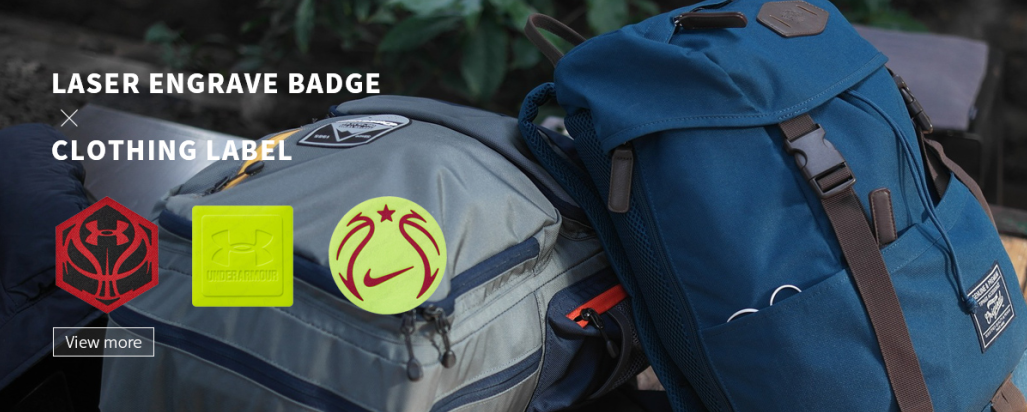
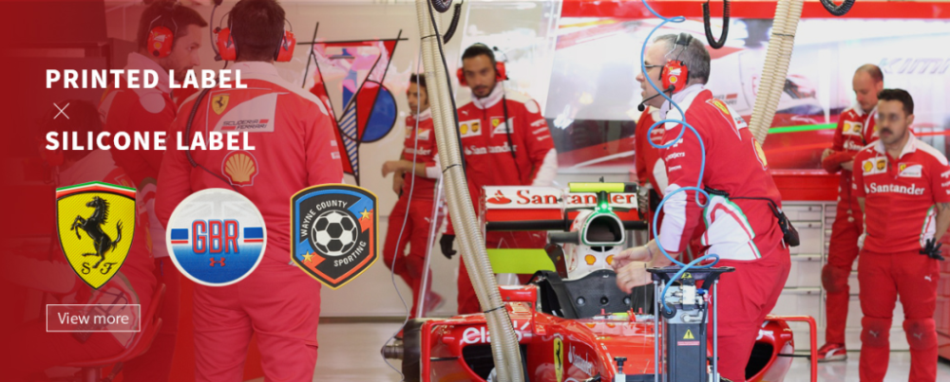
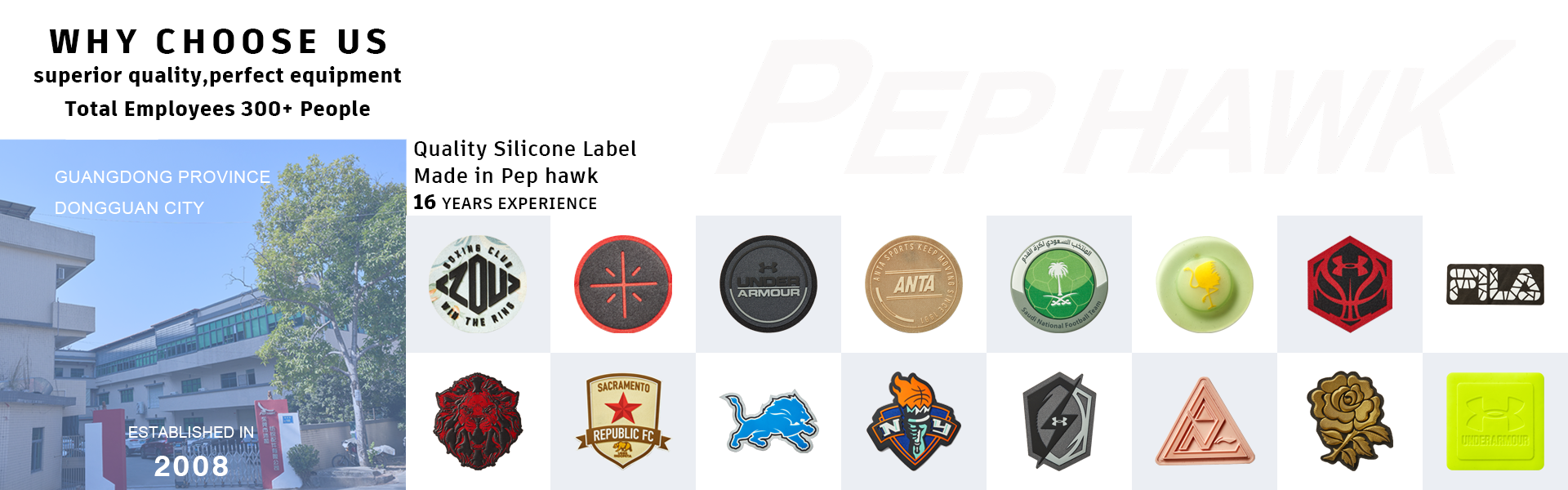
PEPHAWK is proud to highlight our integrated one-stop service—seamlessly combining professional design, R&D, and manufacturing capabilities to deliver cohesive, end-to-end solutions for our valued clients.
Our core product range covers a diverse selection of high-quality accessories and silicone-based items, including:
- Garment Accessories: Silicone Labels, Micro Fiber Labels, TPU Labels, Leather Labels
- Electronic & Lifestyle Gadgets: Silicone Mobile Phone Skins, Silicone MP3 Skins, Silicone Chaplets, Silicone Bracelets
Beyond our core offerings, we also connect clients with complementary products through our trusted affiliated companies, ensuring all your needs are met under one partnership.
What sets us apart is our specialized expertise in key manufacturing processes: Silk Screen Printing, High-Frequency Welding, Sublimation Printing, Seamless Fabric Processing, and Laser Cutting. These capabilities allow us to serve a wide array of industries—from garments, shoes, caps, and gloves to electronic devices, bags, and sporting equipment—with products that blend durability, functionality, and aesthetic appeal.
At PEPHAWK, customer satisfaction is our top priority. We’re committed to providing responsive, thorough support, and guarantee a same-day response to all inquiries—no exceptions. You can rely on us for consistent quality, reliable delivery, and a partnership that’s as efficient as it is trustworthy.
Whether you’re looking for custom apparel labels, protective silicone skins, or tailored manufacturing solutions, PEPHAWK has the expertise and flexibility to bring your vision to life.
How to Order Custom Vinyl Stickers
Personalized PVC Patches For Customization, Uses & Benefits
Related Article


SEND MESSAGE