

How Do Clothing Label Manufacturers Ensure Quality
2024-12-17
Connect with leading clothing label manufacturers dedicated to producing high-quality, custom labels. Perfect for brands seeking to make a lasting impression.
When we buy a new piece of clothing, we often take a quick glance at the label inside just to check the washing instructions and care, but there is much more to it than that. Clothing labels are an essential part of the garment and require rigorous quality control measures to ensure that they are functional, durable and compliant with industry standards. In this article, we will explore how clothing label manufacturers ensure quality in their products.
Manufacturing Process of Clothing Labels
There are several components that contribute to the manufacturing process of clothing labels. First, the materials used can vary from fabric to thread to ink, and each of these must be carefully selected for the label's intended use. Once the material has been chosen, the printing or embroidery process follows, with the design being applied to the label. After the label has been printed, the cutting process follows, and the label is trimmed from the larger materials used for printing. Finally, the label is folded and packed for shipping. Each step of the process requires quality control checks to be made to ensure that the label is made to the designer's specifications and made to last.

Quality Control Measures in Clothing Label Manufacturing
Ensuring quality is one of the most crucial aspects of label manufacturing. Implementing quality control measures to achieve high-quality products is essential in the garment industry. Effective policies help identify defects and deviations from the set standards and make sure that the labels meet the client's product specifications.
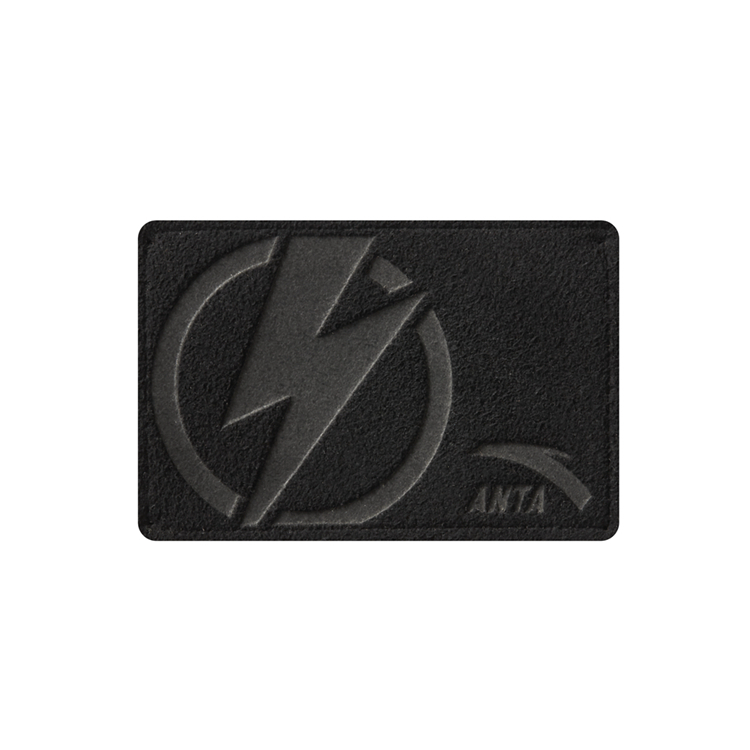
One of the quality control measures is the inspection of materials. High-quality raw materials are essential to manufacture high-quality products. Manufacturers need to ensure that the materials used are of the desired quality and meet the required specifications. This ensures consistency and helps to minimize variations in the final product. For example, it's vital to conduct tests on the thread's color, strength, and flexibility to guarantee it won't fade after washing.
Another quality control measure is testing of end products. To guarantee that the finished products meet industry standards, it's crucial to conduct quality checks regularly. Testing a random sample will identify any defects promptly. Having appropriate parameters in place helps to identify and reduce the frequency of errors, such as misalignment of graphics and text, crooked labels, or incorrect labeling.
Maintenance of machinery and equipment is vital to ensure product quality. If tools and machines malfunction, the resulting labels may have significant errors, leading to production delays and possibly causing the loss of revenue. Therefore, equipment maintenance is imperative and may include routine inspection, cleaning, and repair or replacement to minimize breakdowns.
Finally, employee training is important in ensuring employees understand why quality control procedures matter, enabling them to apply these procedures to their work effectively. Comprehensive training on equipment and machinery usage helps accelerate workflow and reduce errors, leading to higher productivity and quality output.
Industry Standards and Regulations on Clothing Label Quality
As previously stated, clothing label manufacturing is highly regulated globally. Manufacturers must meet industry standards to ensure labels are consistent, safe, and appropriate for their intended purposes. Governments have created regulations that are firmly in place to safeguard consumers and sellers. Clothing label manufacturers must adhere to these guidelines, providing labeling information that specifies fiber content, care labels, and country of origin.
Upon importation, clothing label manufacturers should ensure that each label carries vital product information. They must display correct measurements and units, in accordance with local and international standards like ASTM, ISO, and BS. The correct labeling and matching the country of manufacture must also comply with local labeling laws.
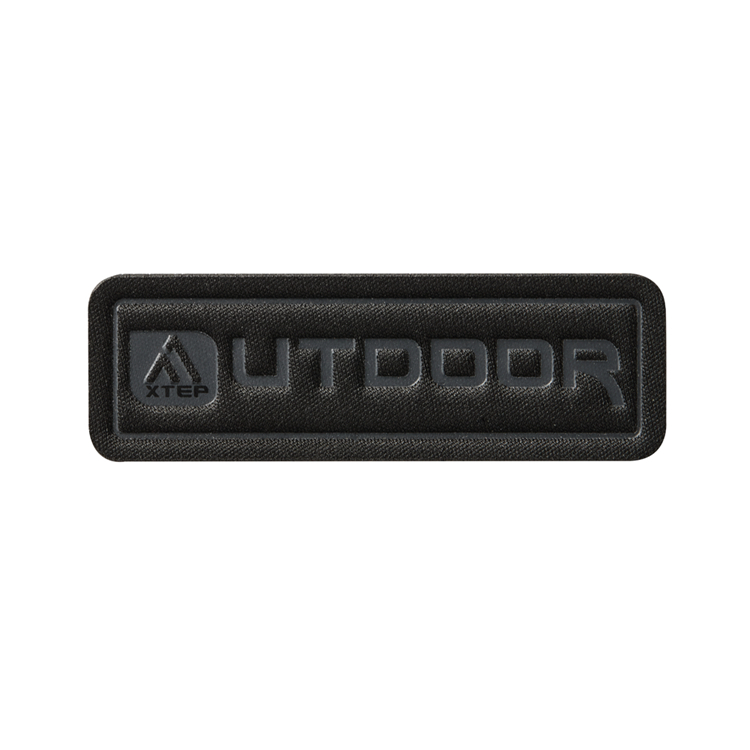
The ISO provides guidance on the textile industry, which manufacturers must follow to ensure product quality. The standards outline the best practices necessary to achieve a level of quality control that meets industry standards and customer satisfaction. To achieve compliance, manufacturers must maintain appropriate procedures and documentation that details manufacturing processes, record-keeping, and information management. Meeting the above standards raises the bar for the industry, leading to better quality products and higher productivity.
Best Practices for Clothing Label Manufacturers
Quality control is an essential aspect of any manufacturing process, and clothing label manufacturing is no exception. To ensure the highest possible quality, clothing label manufacturers must follow some best practices such as using high-quality materials, implementation of quality control procedures, regular quality audits, compliance with industry standards and regulations, and continuous improvement initiatives. These practices help to raise the bar for the industry, increase product longevity and contribute to customer satisfaction.
Pephawk offers a wide variety of products that will meet your expectations. Visit their website and start shopping for your favorite silicone logos today!
Customizing OEM Labels for Market Differentiation
Can Silicone Badges Be Customized Easily




SEND MESSAGE