

How This Design Could Be the Last Thing Anyone Forgets About You
Elevate your style with custom cloth patches designed just for you. Perfect for any occasion, our patches are durable and vibrant. Get started on your design!
Why Cloth Patches? Beyond Nostalgia to Strategic Imperative
While woven or printed labels dominate internal garment care, cloth patches serve a distinct external purpose. Their resurgence isn't merely nostalgic; it's driven by concrete market demands. Unlike rigid plastic or thin heat-transfer labels, cloth patches offer unparalleled tactile quality and durability. They withstand repeated washing, abrasion, and wear far better than many alternatives, maintaining their integrity and visual appeal over the garment's lifespan – a critical factor as consumers increasingly prioritize longevity and value (Textile Exchange, Preferred Fiber and Materials Market Report 2023). Furthermore, they provide a large, versatile canvas for intricate logos, detailed artwork, or substantial textual information that would be impossible or prohibitively expensive on a standard sewn-in label. This makes them ideal for brand insignia on jackets, backpacks, workwear, and high-end fashion pieces where prominence and prestige matter.
Crucially, cloth patches align powerfully with the growing consumer demand for authenticity and traceability. A thoughtfully designed patch, especially one utilizing sustainable materials like organic cotton or recycled polyester (increasingly common per Textile Exchange data), becomes a visible testament to a brand's values. They can subtly communicate origin, craftsmanship, or ethical commitments in a way a tiny internal label cannot. In my experience consulting for heritage workwear brands and emerging sustainable fashion labels alike, the strategic placement and material choice of a cloth patch are now deliberate components of brand identity architecture, not afterthoughts.
Design & Material Mastery: Where Expertise Truly Matters
Designing a successful custom cloth patch is deceptively complex. It’s not simply shrinking a logo onto fabric. Material selection is paramount. The base fabric – twill, felt, satin, velvet, or specialty weaves – fundamentally alters the patch's drape, feel, durability, and visual impact. Twill (cotton or polyester) remains the industry workhorse for its durability and excellent embroidery surface, but a luxury brand might opt for a silk satin for subtle sheen, while an outdoor brand might require a heavy-duty, water-repellent bonded twill. Thread count and weight must be meticulously matched to the end product; a flimsy patch on a rugged jacket screams poor quality, just as an overly stiff patch would ruin the drape of a delicate blouse.
Embroidery digitization is the critical, often underestimated, art form. Translating a vector logo into stitch files requires deep technical knowledge. Factors like stitch direction, density, underlay, and pull compensation are vital to prevent puckering, thread breaks, or a distorted final image, especially on curved or stretchy fabrics. I’ve seen countless projects derailed by amateur digitization – a logo that looks perfect on screen becomes a lumpy, thread-wasting mess on fabric. Experienced digitizers understand how different fabrics behave under needle penetration and adjust settings accordingly. Color matching is another high-stakes element. Pantone references are essential, but the interaction of thread color with the base fabric (especially dark threads on light fabric or vice-versa) requires physical swatching. Relying solely on digital proofs leads to costly mismatches upon production.
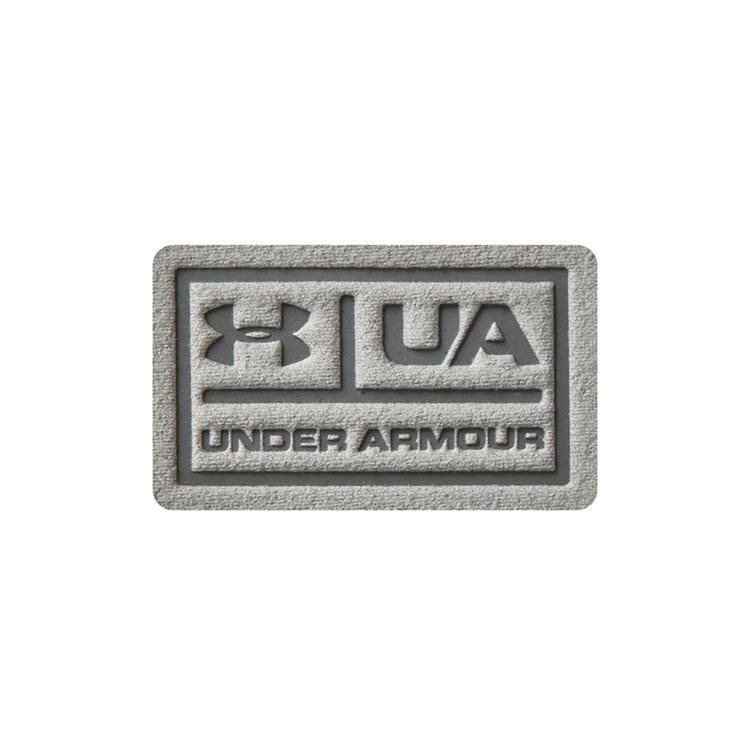
The Precision Engineering of Production: From Concept to Attachment
The production process for custom cloth patches is a marvel of textile engineering, demanding precision at every stage. It begins with fabric preparation: the chosen base material is cut into precise sheets, often treated for stability. Next, the digitized design guides industrial embroidery machines. High-speed, multi-head machines (capable of 1000+ stitches per minute) execute the intricate stitching with remarkable consistency, but require constant monitoring for thread tension, breaks, and fabric alignment. Post-embroidery, patches undergo critical finishing:
- Cutting: Precision is non-negotiable. Laser cutting offers the cleanest, most intricate edges (essential for complex shapes), while die-cutting is efficient for high volumes of simple shapes. Poor cutting leads to frayed edges or misshapen patches, instantly degrading perceived quality.
- Backing Application: Most patches require a stabilizing backing (heat-seal, pressure-sensitive, or sew-on) for secure attachment and to prevent fraying. The type and application method of this backing are crucial. Heat-seal requires precise temperature control to avoid melting threads or damaging the garment fabric underneath. Pressure-sensitive (peel-and-stick) offers ease but demands a strong, durable adhesive formulated for textile use and wash resistance. Sew-on patches need clean, fray-resistant edges. Choosing the wrong backing or applying it incorrectly is a common failure point I’ve diagnosed in client returns.
- Quality Control: Rigorous inspection is mandatory. This includes checking for stitch density, color accuracy, edge finish, backing adhesion, and freedom from defects like skipped stitches or snags. Automated vision systems are increasingly common, but human oversight remains essential for nuanced quality assessment.
Strategic Applications: Where Cloth Patches Deliver Maximum Impact
Understanding where and why to use cloth patches separates effective branding from wasted expenditure. My consultancy work consistently identifies key high-impact applications:
- Brand Identity & Heritage: The classic shoulder or chest patch on denim jackets, workwear chore coats, or military-inspired apparel. This placement is highly visible and conveys tradition and belonging. Heritage brands like Levi's or Carhartt leverage this masterfully, but even startups can establish instant credibility with a well-placed patch.
- Functional Branding on Accessories: Backpacks, duffel bags, hats, and belts are prime real estate. A durable patch withstands the rigors of daily use far better than printed logos, which crack and fade. Outdoor brands (Patagonia, The North Face) heavily utilize patches for both branding and denoting specific product lines or technologies.
- Repair & Customization Culture: The rise of visible mending and personalized apparel has created a booming market for replacement and decorative patches. Brands like Patagonia actively encourage repair, supplying custom patches for their gear. Simultaneously, consumers seek unique patches to personalize denim, jackets, and bags, driving demand for creative, small-batch patch producers. This trend, highlighted in McKinsey & Company's The State of Fashion 2023 report, underscores the patch's role in fostering brand loyalty through product longevity and personal expression.
- High-End Fashion & Limited Editions: Luxury and designer brands use intricate, often hand-finished cloth patches (using specialty threads, appliqué, or even beading) as unique identifiers for limited runs or to add artisanal value, differentiating their pieces in a crowded market.
The Sustainable Imperative and Future Trajectory
Sustainability is no longer optional; it's woven into the fabric of the industry. The good news is that custom cloth patches inherently align with circular economy principles when executed thoughtfully. Using recycled polyester (rPET) or certified organic cotton bases significantly reduces environmental impact. Crucially, unlike many printed or heat-transfer applications, high-quality embroidered cloth patches are designed for longevity and can often be removed and replaced if a garment is repaired or repurposed, extending the product's life – a key tenet of sustainable fashion McKinsey emphasizes as critical for future growth. Furthermore, the durability of embroidery means the branding lasts the garment's life, avoiding the need for reapplication common with less durable methods.
Looking ahead, the future of custom cloth patches lies in hyper-personalization, technological integration, and deeper sustainability. Digital printing directly onto patch fabric (combined with embroidery for texture) allows for photorealistic detail and on-demand production of unique designs. We're also seeing early exploration of integrating subtle NFC tags within patch backing for digital product passports – linking the physical patch to a garment's story, care instructions, or resale value. However, the core value proposition remains unchanged: the irreplaceable tactile authenticity and enduring quality that only a well-crafted piece of embroidered fabric can provide. As consumers become more discerning and value-driven, the brands that master the subtle art of the custom cloth patch – treating it not as a cost center but as a strategic touchpoint – will forge deeper, more resilient connections.
When tackling intricate design projects that demand precision and excellence, PEPHAWK stands as your trusted partner. With 16 years of industry expertise and our general manager’s 31-year legacy in silicone innovation, we specialize in transforming complex logo concepts into flawless realities. Our seasoned team combines technical mastery with creative problem-solving to deliver unmatched quality, ensuring your vision is executed with meticulous attention to detail. Partner with PEPHAWK—where unparalleled experience meets cutting-edge craftsmanship.
What If the Smallest Patch on Your Gear Could Be the Last One They Forget
How to Turn Any Jersey into a Signal of Belonging: The Iron-On System Coaches Rely On



