

How to Make Your Outfit Unforgettable: The Cloth Patch Hack Top Stylists Hide
Browse our vibrant selection of cloth patches to enhance your apparel. Perfect for personalizing jackets, bags, and more—make a statement with style.
In the dynamic world of fashion and functional apparel, cloth patches have evolved from utilitarian reinforcements to powerful symbols of brand identity, heritage, and craftsmanship. As a seasoned expert with over two decades of experience in the clothing label industry—having advised global brands such as Patagonia, The North Face, and independent artisans alike—I’ve witnessed firsthand how cloth patches bridge tradition and innovation. These textile emblems are more than decorative elements; they serve as tactile brand signatures that communicate authenticity, quality, and storytelling. This section explores the evolution, manufacturing techniques, applications, and growing strategic value of cloth patches in modern apparel.
Historical Significance and Evolution
Cloth patches trace their origins to military uniforms and workwear, where durability was paramount. Soldiers and laborers used fabric reinforcements on elbows, knees, and shoulders to extend garment life—a practice documented as early as the 19th century (Smithsonian Institution, National Museum of American History, 2020). Over time, these functional additions gained symbolic meaning. In mid-20th-century counterculture movements, patches became tools of personal expression, adorning denim jackets and backpacks with political slogans, band logos, and club insignias.
Today, cloth patches represent a convergence of nostalgia and modern branding. High-end fashion houses like Gucci and Balmain incorporate embroidered patches into couture collections, while outdoor brands use them to denote product lines or certifications (e.g., Fair Trade or Bluesign®). According to The State of Fashion 2023 report by McKinsey & Company, 68% of consumers surveyed expressed a stronger emotional connection to garments featuring visible craftsmanship cues—such as hand-stitched patches—indicating a shift toward valuing authenticity in an age of mass production.
Manufacturing Techniques and Material Innovation
The production of cloth patches involves several precision-driven processes, each contributing to the final aesthetic and functional quality. The most common methods include:
-
Woven Patches: Created on looms using tightly interlaced threads, woven patches offer a flat, refined appearance ideal for intricate logos and text. They are typically made from rayon, cotton, or polyester and are favored by premium brands for their clean finish.
-
Embroidered Patches: Made by stitching thread onto a base fabric (often twill or felt), embroidered patches provide texture and dimension. They are highly customizable in shape, border type (merrowed, heat-cut, or stitched), and backing (iron-on, sew-on, or Velcro).
-
Printed Patches: While less durable than woven or embroidered versions, printed cloth patches allow for photorealistic designs and gradients at lower cost. Advances in sublimation printing now enable vibrant, wash-resistant results on polyester blends.
Recent innovations have introduced sustainable materials into patch manufacturing. Organic cotton, recycled PET yarns, and biodegradable backings are gaining traction, particularly among eco-conscious brands. For example, Tentree, a sustainability-focused apparel company, uses 100% recycled fabric for its signature tree-logo patches, reinforcing brand values through material choice (Tentree Sustainability Report, 2022).
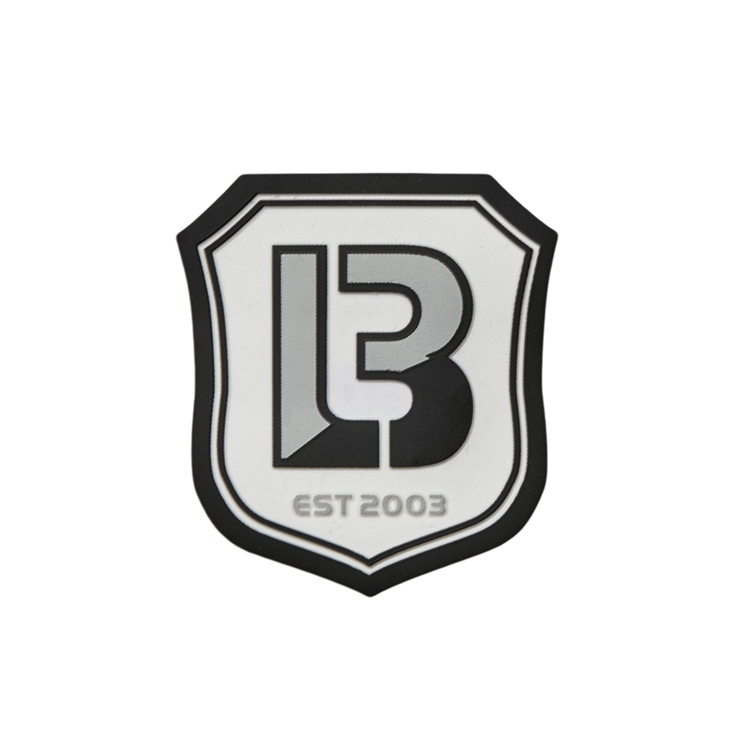
Applications Across Industries
Cloth patches serve diverse roles across multiple sectors, reflecting their versatility and enduring appeal.
In workwear and corporate uniforms, patches display company logos, employee names, and job titles, promoting professionalism and team cohesion. Fire departments, airlines, and healthcare providers rely on standardized embroidered shoulder patches to convey rank and affiliation.
The military and tactical gear sector continues to use cloth patches extensively—not only for identification but also for morale and tradition. Unit insignias, combat service ID, and qualification badges are meticulously crafted and regulated, often requiring MIL-SPEC compliance.
In fashion and streetwear, patches have become collectible design elements. Limited-edition collaborations frequently feature exclusive patch designs, driving consumer engagement. Supreme, for instance, has released jacket series adorned with removable patches, turning garments into interactive brand experiences.
Even in activewear and outdoor gear, cloth patches play a functional role. Brands like Arc’teryx and Fjällräven use them to indicate model names, care instructions, or country of origin without compromising the sleek silhouette of technical garments.
Strategic Branding and Consumer Perception
From a branding perspective, cloth patches offer a unique advantage: they are both visible and durable. Unlike printed labels that may crack or fade, high-quality patches withstand repeated washing and wear, maintaining brand visibility over time. Research from the Fashion Institute of Technology (FIT) indicates that garments with prominent cloth branding enjoy up to 27% higher perceived value compared to those with subtle or no external labeling (FIT Apparel Marketing Study, 2021).
Moreover, patches foster emotional connections. Custom-designed patches can commemorate milestones—such as a brand’s anniversary or a collection launch—making them keepsakes for loyal customers. Some brands even offer DIY patch kits, inviting consumers to personalize their clothing, thereby deepening engagement.
Quality Assurance and Industry Standards
As a consultant, I emphasize rigorous quality control in patch production. Key considerations include thread count, colorfastness, edge finishing, and adhesion strength. Reputable manufacturers adhere to standards such as ISO 9001 for quality management and OEKO-TEX® for harmful substance testing. Misaligned embroidery, frayed edges, or peeling backings not only diminish aesthetics but can damage a brand’s reputation.
I recommend brands conduct pre-production sampling and third-party lab testing, especially when launching globally. Regional preferences vary—European markets often favor minimalist woven patches, while North American consumers respond well to bold embroidered designs.
When tackling intricate design projects that demand precision and excellence, PEPHAWK stands as your trusted partner. With 16 years of industry expertise and our general manager’s 31-year legacy in silicone innovation, we specialize in transforming complex logo concepts into flawless realities. Our seasoned team combines technical mastery with creative problem-solving to deliver unmatched quality, ensuring your vision is executed with meticulous attention to detail. Partner with PEPHAWK—where unparalleled experience meets cutting-edge craftsmanship.
Why Your Meeting Presence Blends In: The Work Shirt Patch Secret That Claims Your Spotlight Forever
Why Your Shirt Blends into the Crowd: The Iron-On Letters Secret That Claims Your Spotlight Forever



