

How to Use Cloth Patches to Repair and Upgrade Any Garment
Transform your apparel with our vibrant cloth patches. Browse our unique designs to find the perfect patch that reflects your personality and style.
1. Sustainable Innovation in Textile Design
Sustainability is no longer a buzzword—it’s a business imperative. The fashion industry, responsible for 10% of global carbon emissions, is under pressure to adopt eco-friendly practices. Cloth patches offer a dual solution: reducing waste while enhancing design.
- Zero-Waste Customization : Unlike printed labels that require bulk dyeing or complex machinery, cloth patches are precision-cut from leftover fabric scraps. Brands like Stella McCartney and Patagonia repurpose offcuts to create bespoke patches, turning waste into value.
- Biodegradable Materials : Organic cotton, hemp blends, and recycled polyester patches align with circular economy principles. For instance, Reformation uses compostable linen patches for care labels, eliminating synthetic waste.
- Repair-and-Reuse Culture : Patches extend garment lifecycles by repairing tears or worn areas—a trend championed by brands like Nudie Jeans. This reduces landfill contributions and appeals to eco-conscious millennials.
2. Customization Beyond Imagination
Designers thrive on originality, and cloth patches unlock limitless creative possibilities. Unlike rigid plastic tags or generic embroidery, patches can be tailored to match any vision.
- Material Versatility : From velvet to denim, patches adapt to fabric textures, colors, and patterns. Gucci’s iconic red-and-blue webbing patches, for example, became a signature element across jackets and accessories.
- Artistic Storytelling : Patches allow designers to embed narratives into garments. Vivienne Westwood’s punk-era safety-pin motifs and Dior’s “J’Adore” satin patches are prime examples of branding through tactile design.
- Interactive Features : Smart patches with QR codes or NFC chips (e.g., Tommy Hilfiger’s tech-integrated labels) merge physical aesthetics with digital engagement, offering consumers immersive brand experiences.
3. Durability Meets Aesthetic Appeal
Functionality and beauty rarely coexist seamlessly—until cloth patches entered the scene.
- Reinforced Seam Strength : Applied via heat-sealed adhesives or stitching, patches reinforce high-stress areas like elbows, knees, and seams. Outdoor brands like The North Face use heavy-duty canvas patches to prevent rips in hiking gear, combining utility with rugged style.
- Fade-Resistant Color Retention : Unlike screen-printed logos that wash out, woven or embroidered patches retain vibrancy indefinitely. Supreme’s box-logo patch, a streetwear staple, remains iconic precisely because of its lasting visual impact.
- Texture Contrast : Designers leverage patches to add dimension—think Balenciaga’s leather appliqués on wool coats or Marine Serre’s crescent-moon jacquard patches, which create tactile interest without bulk.
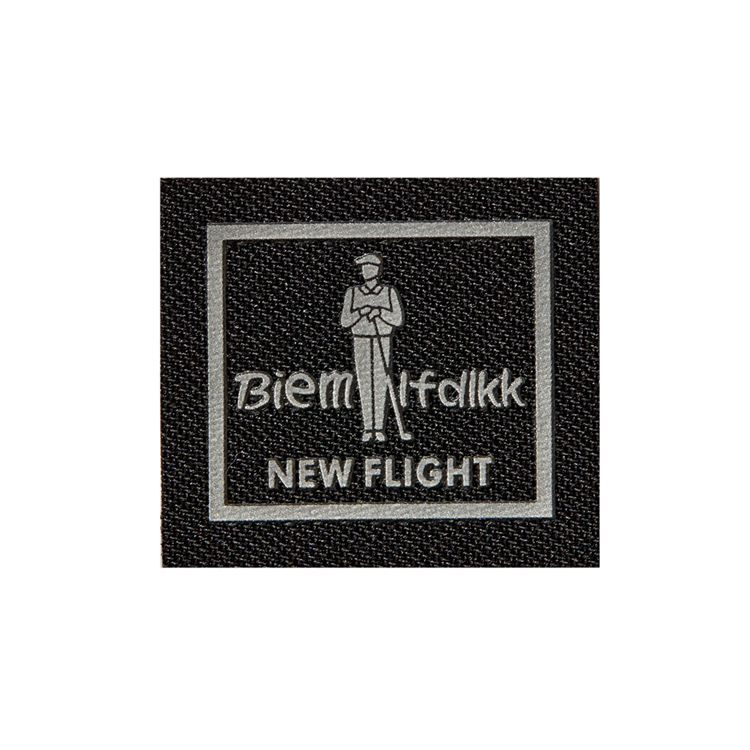
4. Cost-Effective Branding for Design Houses
In an era of razor-thin margins, cloth patches offer a budget-friendly way to amplify brand identity.
- Low Minimum Order Quantities (MOQs) : Independent designers can order small batches of custom patches, avoiding the financial risk of mass-produced labels. Platforms like Patchworkz cater to startups with MOQs as low as 50 units.
- Global Supply Chain Efficiency : Pre-made patches eliminate the need for in-house embroidery machines or printing facilities. Brands like Zara integrate ready-to-apply patches into their fast-fashion model, slashing production time by 30%.
- Cross-Collection Consistency : A single patch design can unify multiple product lines—from jackets to tote bags—reducing marketing complexity. Supreme’s patch strategy, replicated across apparel and accessories, drives instant brand recognition.
5. The Secret to Fast-Paced Prototyping
Speed is critical in fashion, where trends emerge and fade in weeks. Cloth patches accelerate the design-to-market pipeline.
- Rapid Sample Testing : Designers can experiment with patch placements and materials in real-time, bypassing lengthy printing or sewing delays. Alexander McQueen’s atelier uses patches to prototype avant-garde silhouettes before finalizing patterns.
- Seasonal Flexibility : Swapping patches allows brands to refresh collections without overhauling entire designs. For example, a winter jacket with a snowflake patch becomes a summer staple with a floral replacement.
- Collaboration-Friendly : Partnerships with artists or influencers are simplified—designers can integrate guest-created patches into existing lines without disrupting workflows.
Conclusion: The Designer’s Secret Weapon
Cloth patches are no longer a behind-the-scenes detail—they’re a transformative force redefining how fashion is designed, marketed, and sustained. By merging sustainability with artistic freedom, durability with cost-efficiency, and speed with scalability, patches empower designers to navigate modern challenges while staying ahead of trends.
For retailers and manufacturers, positioning cloth patches as a premium, multi-functional product opens avenues to tap into the $3.3 trillion global fashion industry. SEO strategies should emphasize keywords like “custom cloth patches,” “eco-friendly fashion labels,” and “designer garment customization” to attract both independent creators and established brands.
In a world where every stitch counts, cloth patches are the unsung heroes of innovation—proving that sometimes, the smallest details make the boldest statements.
How to Switch Up Your Look Daily with Velcro Patches
The One Thing Every Parent Needs: Iron On Name Patches for Clothes



