

Garment Care Labels: Unlocking Material Insights, Maintenance Rules, and Sustainable Consumption
2026-01-12
Table of Contents
- Mandatory Requirements for Care Labels in the EU Market
- Fiber Content: The Core Information on Care Labels
- Care Instructions: Extending Garment Lifespan and Reducing Environmental Impact
- Company Details: Tracing Origins and Evaluating Brand Responsibility
- Care Labels and Sustainable Consumption: Making Informed Choices
- Care Labels as a Tool
A seemingly insignificant detail often holds the key to prolonging garment lifespan, ensuring user comfort, and promoting eco-friendly consumption: the care label.
Typically stitched onto the left seam where the front and back panels of a new garment meet, this small tag is far more than a trivial accessory. It serves as a comprehensive guide that reveals critical information about fabric composition, maintenance protocols, production origins, and manufacturing craftsmanship. For textile products sold to end consumers in the European Union (EU), attaching a standardized care label is not a choice but a legal mandate. This requirement underscores the label’s irreplaceable role in safeguarding consumer rights and regulating the textile market.
Mandatory Requirements for Care Labels in the EU Market
The EU’s strict regulations on textile care labels are designed to eliminate information asymmetry and ensure consumers have access to clear, consistent, and reliable product details. For manufacturers and retailers looking to tap into this lucrative market, compliance with these labeling rules is non-negotiable.
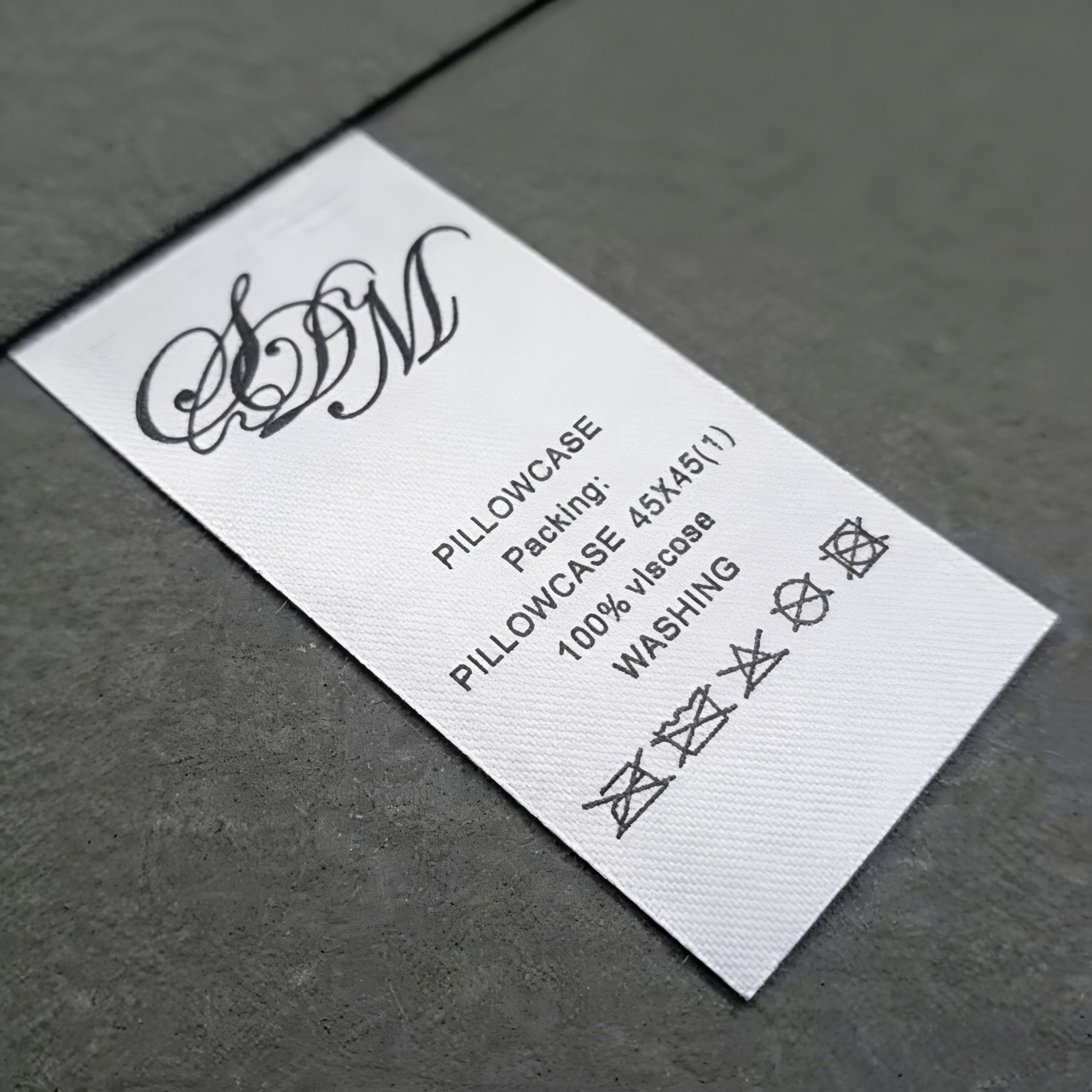
First and foremost, care labels must list the fabric’s fiber content in descending order of percentage by weight. This means that the fiber constituting the largest proportion of the garment’s total weight is listed first, followed by those with smaller percentages, down to the minimum threshold for mandatory disclosure. This requirement enables consumers to quickly identify the dominant material of a garment, which is directly linked to its texture, durability, and care needs.
Second, the text on care labels must adhere to strict readability standards. It requires the use of a unified font type, font size, and font style throughout the label. There shall be no arbitrary mixing of fonts or inconsistent sizing, which could lead to confusion or misinterpretation. This standardization ensures that even consumers with limited visual acuity can easily read and understand the information provided.
Third, a clear distinction must be made between fiber content information and other details on the label, such as care instructions and company identification. This separation prevents information overload and allows consumers to locate specific details without sifting through a jumble of text. Whether through spacing, bolding, or separate sections, the demarcation ensures that each category of information stands out independently. These mandatory requirements collectively lay the foundation for a transparent and trustworthy textile market, protecting both consumers and compliant businesses.
Fiber Content: The Core Information on Care Labels
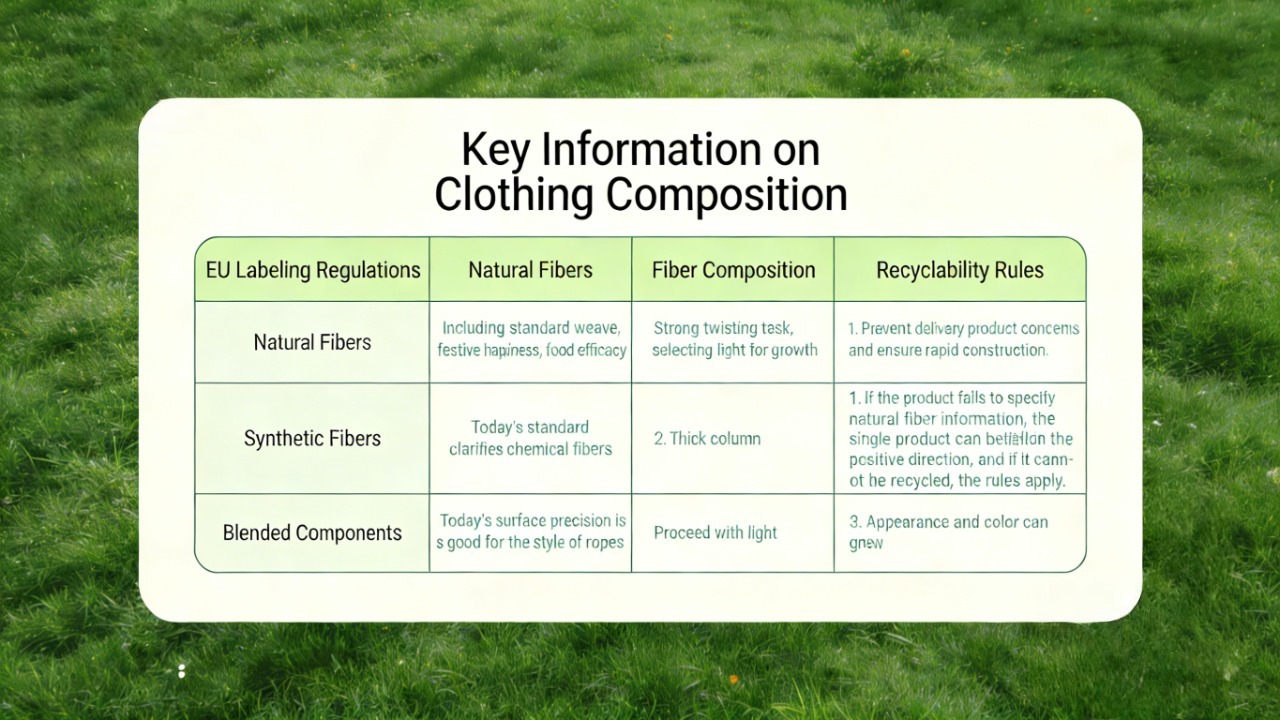
Fiber content is arguably the most critical piece of information on a care label, as it dictates nearly every aspect of a garment’s performance and maintenance. According to EU regulations, any fiber that accounts for more than 5% of a garment’s total weight must be explicitly listed on the care label. Fibers that make up less than 5% of the weight may be grouped together under a general category such as “other fibers”, unless they possess special functional properties that need to be highlighted.
Understanding fiber content is essential for three key reasons: evaluating garment quality and comfort, determining the correct maintenance methods, and assessing the textile’s recyclability. Natural fibers, including cotton, linen, and Tencel, are prized for their breathability and skin-friendliness. Cotton, for instance, is soft and absorbent, making it ideal for everyday wear, while linen’s moisture-wicking properties make it a top choice for summer apparel. Tencel, a lightweight cellulose fiber derived from wood pulp, combines the best of both worlds with its softness and durability. On the other hand, synthetic fibers like polyester, nylon, and acrylic are celebrated for their exceptional durability, stain resistance, and water repellency. However, a critical point that consumers must recognize is that these synthetic fibers are essentially forms of plastic.
The plastic nature of synthetic fibers carries significant environmental implications. Unlike natural fibers, which are biodegradable, synthetic textiles do not decompose naturally. Over time, they break down into tiny microplastics that infiltrate soil, waterways, and even the food chain, posing a threat to ecosystems and human health. Fast fashion brands, in particular, rely heavily on these low-cost synthetic fibers to produce large volumes of affordable clothing, exacerbating the problem of textile waste and microplastic pollution.
Another crucial aspect tied to fiber content is recyclability. A fundamental rule of textile recycling is that only garments made from 100% single fiber can be effectively recycled. Pure cotton T-shirts or 100% wool sweaters can be processed and transformed into new textile products, reducing the need for virgin materials. In contrast, blended textiles—those combining natural and synthetic fibers—present a formidable challenge to recyclers. Separating different fiber types at the molecular level is a complex and costly process, often rendering blended garments non-recyclable. These garments ultimately end up in landfills, where they contribute to greenhouse gas emissions as they slowly degrade, or incinerated, releasing toxic pollutants into the air.
Care Instructions: Extending Garment Lifespan and Reducing Environmental Impact
The second key section of a care label is the care instructions, also known as maintenance guidelines. These instructions provide detailed, often symbol-based, guidance on how to wash, dry, iron, and dry-clean a garment. While these guidelines may seem overly prescriptive at first glance, following them is crucial for preserving the garment’s appearance, shape, and durability.
Different fabrics require vastly different care approaches. For example, delicate natural fibers like silk or wool may require hand washing in cold water to prevent shrinking, stretching, or color fading, while sturdy cotton garments can withstand machine washing at higher temperatures. Similarly, some synthetic fabrics may be safe for tumble drying, while others may melt or warp under high heat. Improper care not only shortens the lifespan of a garment but also accelerates the release of microfibers into waterways. When fibers are damaged by harsh washing or drying conditions, they break off more easily and flow through wastewater systems into rivers, lakes, and oceans.
Following care instructions offers dual benefits: it saves consumers money by extending the life of their clothing, and it reduces the environmental footprint of the fashion industry. By keeping garments in use for longer, consumers decrease the frequency of purchasing new clothes, which in turn reduces the demand for new textile production. The fashion industry is one of the largest contributors to global carbon emissions, with a carbon footprint that exceeds the combined emissions of international flights and maritime shipping. Every garment that avoids early disposal helps cut down on landfill waste and the greenhouse gas emissions associated with textile manufacturing and transportation.
For those looking to take their sustainable efforts a step further, adopting low-impact maintenance habits is recommended. Washing garments at temperatures below 30°C is one of the most effective ways to reduce energy use and minimize fiber damage. Additionally, air-drying clothes instead of using a tumble dryer not only saves electricity but also prevents the wear and tear caused by high heat and tumbling motion. These small changes can significantly enhance the sustainability of clothing consumption.
Company Details: Tracing Origins and Evaluating Brand Responsibility
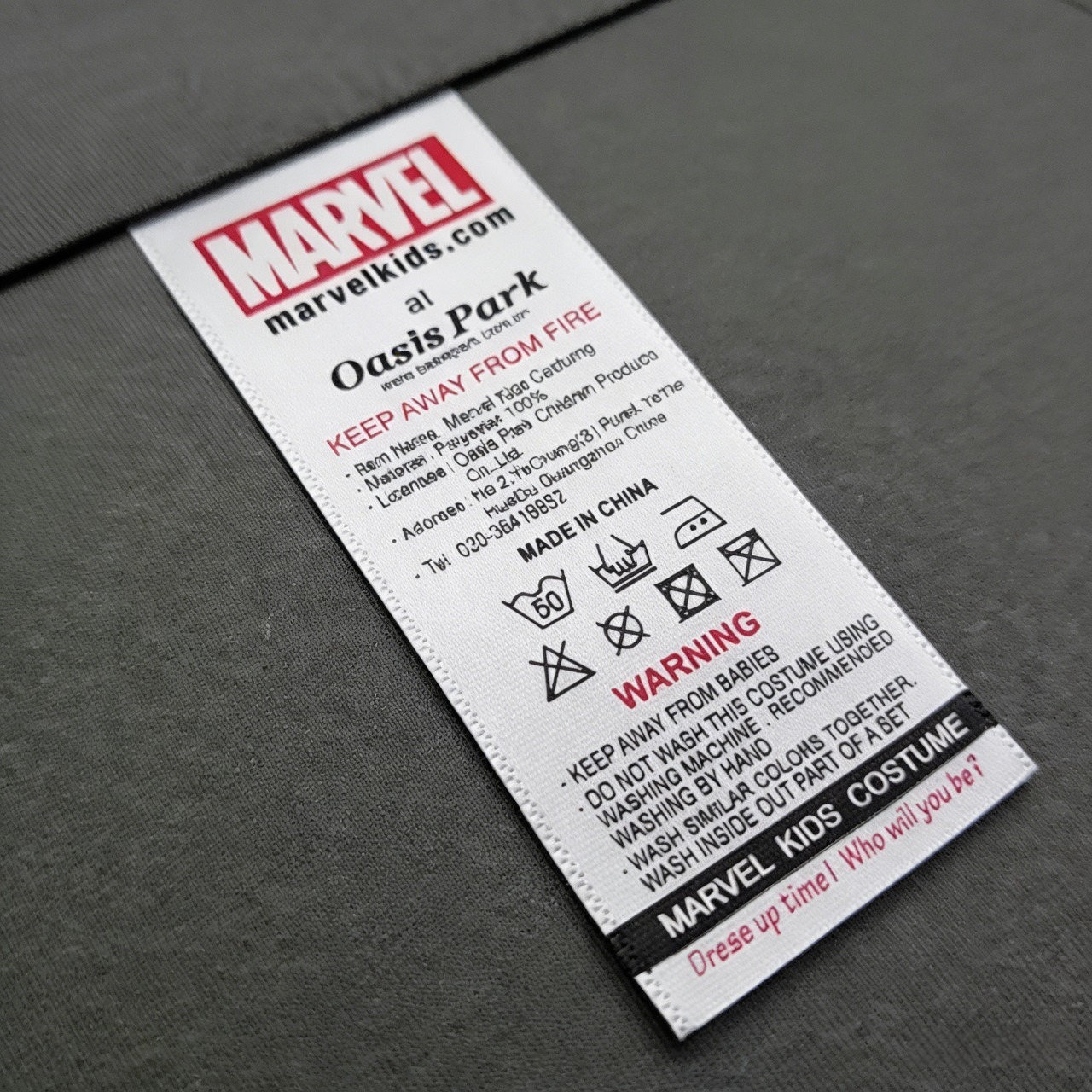
Beyond fiber content and care instructions, care labels in many regions also include company-specific information that allows consumers to trace the origin of a garment. In the United States, for example, garments are required to display an RN (Registered Identification Number), a unique identifier assigned by the Federal Trade Commission (FTC) to manufacturers, importers, and retailers. This number can be used to look up the contact information of the company responsible for the garment, enabling consumers to inquire about production practices, sourcing policies, and sustainability commitments.
In the EU, similar requirements mandate that garments indicate their country of origin, ensuring transparency about where the product was manufactured. This information is more than just a regulatory formality; it empowers consumers to make ethical purchasing decisions. In an era where consumers are increasingly concerned about fast fashion’s exploitative labor practices and environmental degradation, the ability to trace a garment’s origin helps them support brands that prioritize fair labor, sustainable sourcing, and eco-friendly manufacturing processes.
By researching a brand’s values and practices, consumers can align their purchasing choices with their personal ethics. For example, a brand that uses organic cotton, pays fair wages to workers, and implements circular economy principles (such as take-back programs for old garments) is likely to be a more responsible choice than a brand that prioritizes low costs over environmental and social responsibility. Care labels thus serve as a gateway to informed, ethical consumption.
Care Labels and Sustainable Consumption: Making Informed Choices
There is no such thing as a perfectly eco-friendly textile material, but some fibers are undeniably more sustainable than others. Care labels play a vital role in helping consumers identify these more sustainable options and make choices that align with their environmental values.
Natural fibers like cotton, linen, Tencel, pineapple fiber, and hemp are among the most sustainable choices available. These fibers are biodegradable, meaning they will break down naturally over time without leaving behind microplastic pollution. Additionally, many natural fibers can be produced using organic farming methods that avoid harmful pesticides and fertilizers, reducing the environmental impact of agriculture. Tencel, for instance, is produced using a closed-loop manufacturing process that recycles water and solvents, minimizing waste and pollution.
Synthetic fibers, while durable and functional, come with significant environmental trade-offs. As mentioned earlier, their plastic composition makes them non-biodegradable and a major source of microplastic pollution. However, this does not mean consumers must avoid synthetic fibers entirely. Instead, it means being mindful of how these garments are used and maintained. Using washing machine filters, for example, can capture a large portion of microfibers before they enter wastewater systems, mitigating their environmental impact. Choosing high-quality synthetic garments that last longer, rather than cheap fast fashion items that fall apart after a few wears, can also reduce overall waste.
Care labels empower consumers to balance functionality and sustainability. By understanding the fiber content of a garment, consumers can choose materials that meet their needs—whether that’s a waterproof synthetic jacket for outdoor activities or a breathable cotton shirt for everyday wear—while also considering the environmental implications of their choices.
Care Labels as a Tool
In the broader context of the global fashion industry, care labels are more than just a source of product information—they are a powerful tool for combating the negative impacts of fast fashion. Fast fashion’s business model relies on producing large quantities of low-cost, trend-driven clothing that is designed to be discarded after only a few wears. This model not only exploits laborers in developing countries but also generates massive amounts of waste and pollution.
Reading and following care labels is a small but meaningful act of resistance against this model. By understanding how to properly care for garments, consumers can extend their lifespan, reducing the demand for fast fashion products. By using care labels to trace garment origins and evaluate brand responsibility, consumers can support ethical and sustainable brands, driving the industry toward more responsible practices.
The fashion industry’s transition to sustainability requires collective action from manufacturers, retailers, and consumers. Care labels serve as a critical link between these stakeholders, providing the information consumers need to make informed choices and hold brands accountable. In the end, the simple act of checking a care label before washing a garment or making a purchase can contribute to a more sustainable and equitable fashion future.
In conclusion, care labels are an indispensable component of modern garments, offering a wealth of information that benefits both consumers and the environment. From revealing fiber composition to guiding proper maintenance, from tracing production origins to promoting sustainable consumption, care labels play a multifaceted role in the textile ecosystem. By taking the time to read and understand these small but powerful tags, consumers can not only extend the life of their clothing but also contribute to a more sustainable fashion industry—one garment at a time.
PEPHAWK is proud to highlight our integrated one-stop service—seamlessly combining professional design, R&D, and manufacturing capabilities to deliver cohesive, end-to-end solutions for our valued clients.
Our core product range covers a diverse selection of high-quality accessories and silicone-based items, including:
- Garment Accessories: Silicone Labels, Micro Fiber Labels, TPU Labels, Leather Labels
- Electronic & Lifestyle Gadgets: Silicone Mobile Phone Skins, Silicone MP3 Skins, Silicone Chaplets, Silicone Bracelets
Beyond our core offerings, we also connect clients with complementary products through our trusted affiliated companies, ensuring all your needs are met under one partnership.
What sets us apart is our specialized expertise in key manufacturing processes: Silk Screen Printing, High-Frequency Welding, Sublimation Printing, Seamless Fabric Processing, and Laser Cutting. These capabilities allow us to serve a wide array of industries—from garments, shoes, caps, and gloves to electronic devices, bags, and sporting equipment—with products that blend durability, functionality, and aesthetic appeal.
At PEPHAWK, customer satisfaction is our top priority. We’re committed to providing responsive, thorough support, and guarantee a same-day response to all inquiries—no exceptions. You can rely on us for consistent quality, reliable delivery, and a partnership that’s as efficient as it is trustworthy.
Whether you’re looking for custom apparel labels, protective silicone skins, or tailored manufacturing solutions, PEPHAWK has the expertise and flexibility to bring your vision to life.
What Does a Fendi Tag Look Like?
The Cost-Effective Kenya-Themed Patch: Suede Base with Ink Printing – A High-Value Accessory




SEND MESSAGE