Can You Iron Patches on Leather? Why Not & Better Alternatives
2026-01-19
Table of Contents
Customizing leather items—jackets, bags, shoes, or belts—with patches is a popular way to add personality. Yet many DIY enthusiasts face a common question
The short answer is no. Ironing poses significant risks to leather’s structure and appearance. Instead, there are safer, more durable alternatives that preserve the material’s quality while achieving a long-lasting bond.
Why You Should NOT Iron Patches on Leather
Leather, whether natural or synthetic, is highly sensitive to heat, pressure, and chemical adhesives—all of which come with ironing patches. These factors combine to cause irreversible damage and poor results.
High Temperature Damages Leather Structure
Natural leather is made of collagen fibers, which shrink and harden when exposed to high heat. Even the lowest iron settings (120–150°C) can break down these fibers, leading to cracks, permanent creases, or a stiff, brittle texture.
Faux leather, such as PU or PVC, is even more vulnerable. Heat melts its plastic coating, leaving sticky residue, discoloration, or peeling surfaces. Once melted, faux leather cannot be repaired to its original state.

Iron-On Adhesive Harms Leather Integrity
Iron-on patches rely on heat-activated adhesives that seep into leather’s pores. This residue is nearly impossible to remove, leaving the leather stiff and unnatural over time.
Chemicals in the adhesive may also react with leather finishes, such as dyes or protective coats. This reaction can cause fading, staining, or a dull, patchy appearance that ruins the item’s aesthetic.
Pressure from Iron Ruins Leather’s Natural Texture
Leather’s soft, supple texture comes from its layered fibers. The pressure of an iron compresses these layers, creating permanent indentations—especially on thin or delicate leather like lambskin.
Uneven pressure, a common issue when ironing, exacerbates this problem. It leaves uneven surfaces and breaks down the leather’s flexibility, shortening its lifespan.
Inconsistent Results for Long-Term Use
Iron-on bonds are weak on leather. Wear, moisture, or temperature changes cause patches to peel off easily, leaving behind adhesive residue and damaged leather.
Unlike fabric, leather does not absorb adhesive well. The bond only sits on the surface, lacking the durability needed for daily use or outdoor exposure.
Safe & Effective Alternatives to Ironing Patches on Leather
Fortunately, several methods avoid heat and pressure while creating strong, lasting bonds. The best choice depends on your leather type, patch material, and whether you want a permanent or temporary fix.
Leather-Specific Adhesive Glue
Industrial-grade leather glue is the top choice for permanent, invisible bonds. It is formulated to bond with leather fibers without causing damage.
Gather materials: leather glue, masking tape, a clean cloth, and a heavy object (like a book). Start by cleaning the leather surface with a dry cloth to remove dust and oil—grease weakens the bond.
Apply a thin, even layer of glue to both the patch back and the leather. Avoid over-applying, as excess glue can seep out and stain. Press the patch firmly into place and secure it with masking tape to prevent shifting.
Place a heavy object on top and let it cure for 24–48 hours. This method creates a strong bond that resists wear and moisture, preserving the leather’s texture.
Hand-Sewing Method
Hand-sewing is ideal for thick patches, heavy leather (like cowhide), or those who want a removable, vintage-style finish. It is durable and adds a decorative touch.
You will need a leather needle (sharp enough to pierce leather), heavy-duty nylon or polyester thread, and a thimble to protect your fingers. Mark the patch’s position on the leather with chalk—this ensures accuracy.

Use a whip stitch or blanket stitch along the patch edges. Whip stitches are quick and secure, while blanket stitches add a decorative border. Sew through both the patch and leather, keeping stitches tight but not too tight to avoid stretching the leather.
This method is removable (simply cut the thread) and perfect for high-wear items like jackets or work boots. It also works on suede, where glue may be too visible.
Low-Temperature Hot Glue Gun (Temporary Use)
For temporary decorations (e.g., party outfits or seasonal designs), a low-temperature hot glue gun is a quick option. It avoids the damage of high heat but is not for long-term use.
Set the gun to low heat (below 100°C) and avoid direct contact between the gun and leather. Apply small dots of glue to the patch back—large globs can seep out and harden.
Press the patch firmly into place for 10–15 seconds. This bond lasts for a few wears but may peel off with moisture or friction. It is not recommended for outdoor items or daily use.
Professional Leather Repair Service
For high-value items (e.g., designer jackets or luxury bags), complex patch designs, or large-scale customization, professional services are worth the investment.
Leather experts use specialized tools, adhesives, and techniques tailored to your leather type. They can also condition the leather after application to restore its softness.
This method eliminates all risk of damage and ensures a flawless, durable bond. It is especially useful for delicate leathers like suede or patent leather.
Pro Tips for Successful Leather Patch Customization
Regardless of the method, these tips will help you achieve the best results while protecting your leather.
Choose the right patch: Opt for thin, flexible patches (e.g., cotton or leather patches) over thick, rigid ones. Thick patches cause bulging and strain the leather.
Test first: Always test glue or adhesive on an inconspicuous area (e.g., the inside of a jacket) to check for discoloration or damage.
Care after application: Avoid soaking leather items in water. Clean them with a dry cloth and apply leather conditioner every few months to maintain softness.
Adjust for leather type: Full-grain leather works with glue or sewing; suede requires sewing (glue leaves visible marks); faux leather needs low-temp glue or gentle sewing.
Conclusion
Ironing patches on leather is a risky choice that can ruin the material’s structure, texture, and appearance. Heat, pressure, and adhesive residue cause irreversible damage, while the bond itself is weak and short-lived.
For permanent results, use leather-specific glue or hand-sewing. For temporary fixes, opt for a low-temperature hot glue gun. For high-value items, trust professional leather services.
By choosing the right method, you can customize your leather items safely, preserving their quality while adding a personal touch that lasts for years. Remember: leather is an investment—treat it with methods designed to protect, not harm.
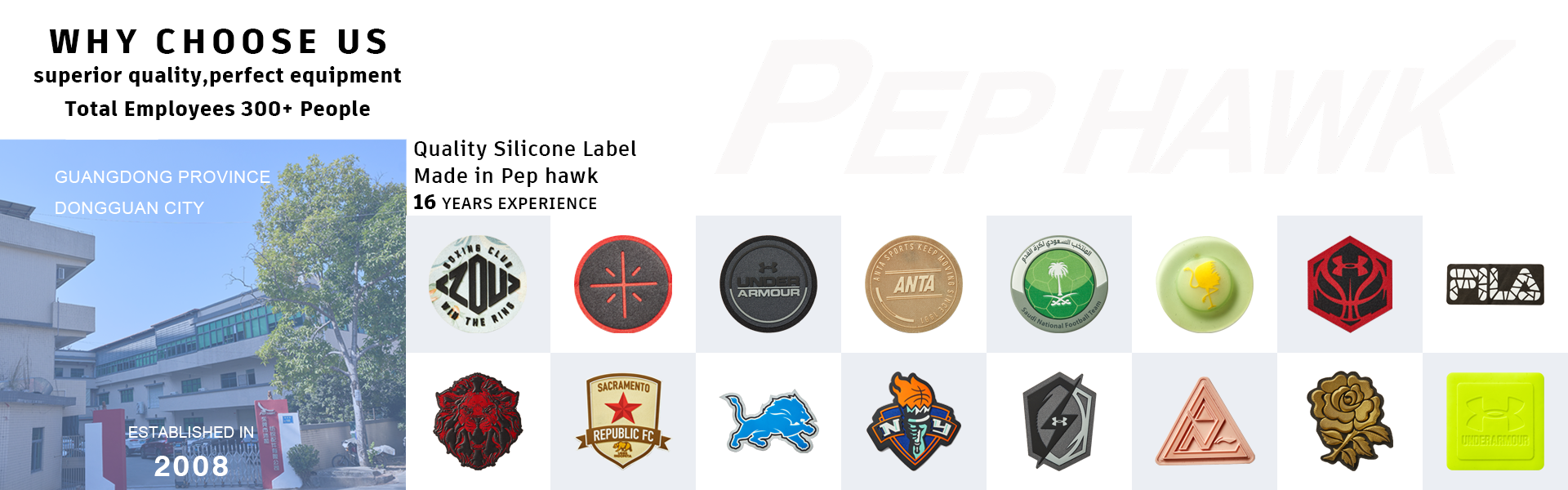
PEPHAWK is proud to highlight our integrated one-stop service—seamlessly combining professional design, R&D, and manufacturing capabilities to deliver cohesive, end-to-end solutions for our valued clients.
Our core product range covers a diverse selection of high-quality accessories and silicone-based items, including:
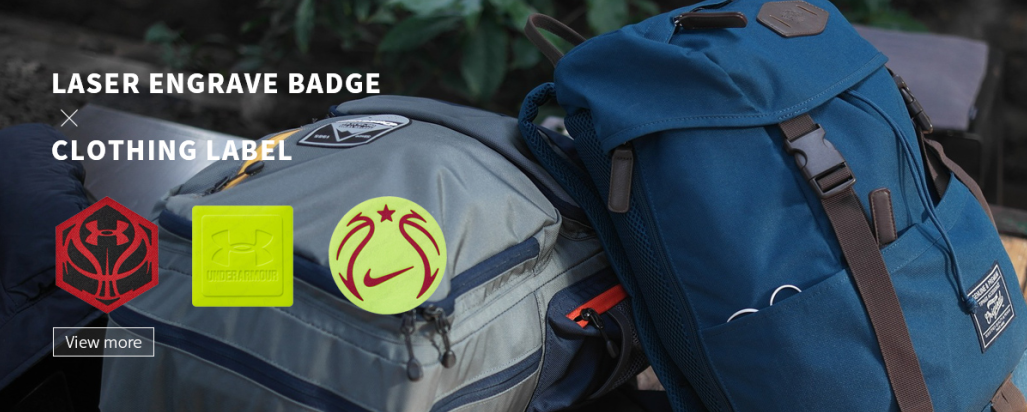
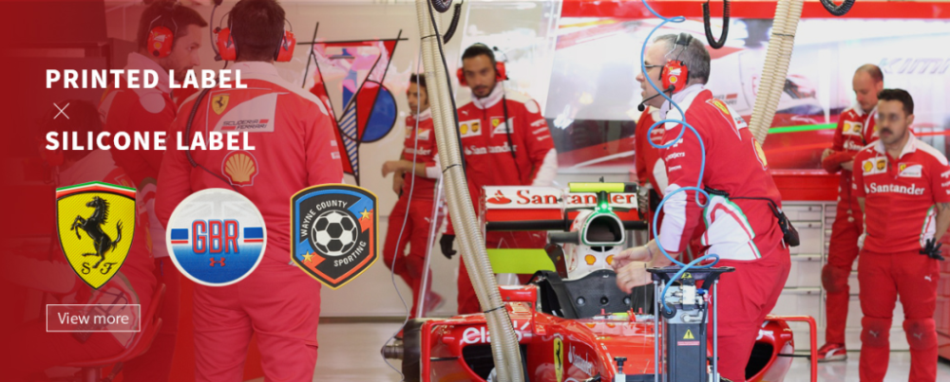
- Garment Accessories: Silicone Labels, Micro Fiber Labels, TPU Labels, Leather Labels
- Electronic & Lifestyle Gadgets: Silicone Mobile Phone Skins, Silicone MP3 Skins, Silicone Chaplets, Silicone Bracelets
Beyond our core offerings, we also connect clients with complementary products through our trusted affiliated companies, ensuring all your needs are met under one partnership.
What sets us apart is our specialized expertise in key manufacturing processes: Silk Screen Printing, High-Frequency Welding, Sublimation Printing, Seamless Fabric Processing, and Laser Cutting. These capabilities allow us to serve a wide array of industries—from garments, shoes, caps, and gloves to electronic devices, bags, and sporting equipment—with products that blend durability, functionality, and aesthetic appeal.
At PEPHAWK, customer satisfaction is our top priority. We’re committed to providing responsive, thorough support, and guarantee a same-day response to all inquiries—no exceptions. You can rely on us for consistent quality, reliable delivery, and a partnership that’s as efficient as it is trustworthy.
Whether you’re looking for custom apparel labels, protective silicone skins, or tailored manufacturing solutions, PEPHAWK has the expertise and flexibility to bring your vision to life.
Varsity Jacket Patch Placement Guide: Match Patch Styles to Perfect Positions
Custom Fabric Patches: Textural Advantages, Craftsmanship, and Applications in Fashion & Branding


SEND MESSAGE