

Hop into Style: How Bunny Logo Patches Are Stealing Hearts in Kids' Fashion
Discover how bunny logo patches elevate children’s fashion with playful charm and brand identity. These whimsical designs boost emotional connections, durability, and customization while aligning with sustainable trends.
The use of bunny logo patches aligns with broader trends in children’s apparel, where whimsical and nature-inspired designs have gained significant traction. Brands such as Merle Kids incorporate rabbit-themed patches derived from their signature "Burrow" pattern to create a cohesive narrative rooted in comfort and natural aesthetics . Similarly, platforms like eBay showcase a wide range of bunny-themed patches, reflecting strong consumer demand for animal-inspired embellishments . The appeal of these designs extends beyond mere aesthetics; they evoke a sense of innocence, playfulness, and warmth, making them particularly effective in engaging both children and their parents.
As the children's clothing market continues to evolve, the role of branding and design elements like the bunny logo patch becomes increasingly significant. These patches offer a unique opportunity for brands to establish emotional connections with their audience while reinforcing brand recognition. Additionally, they provide functional benefits, such as durability and customization options, which enhance the overall value of children's apparel. This research aims to explore the various roles and advantages of bunny logo patches in children’s clothing, examining their impact on brand identity, decorative appeal, functionality, and market trends. By analyzing industry practices and consumer preferences, this study will provide valuable insights into how bunny logo patches contribute to the success of children's apparel brands.
The Role of Bunny Logo Patch in Brand Identity and Emotional Connection
One of the most significant functions of the bunny logo patch in children’s apparel is its ability to reinforce brand identity and foster emotional connections with consumers. In a market where visual appeal and brand recognition are crucial, these patches serve as powerful symbols that distinguish brands from competitors. The use of rabbit motifs, in particular, aligns with themes of innocence, playfulness, and warmth—attributes that resonate strongly with both children and their parents. This section explores how bunny logo patches contribute to brand identity by enhancing brand recognition, strengthening emotional bonds, and leveraging cultural symbolism.
Enhancing Brand Recognition through Distinctive Design
Brand recognition is a key factor in the success of any apparel brand, and bunny logo patches offer a unique and memorable way to establish a brand’s visual identity. Unlike generic logos or text-based branding, embroidered or appliquéd bunny patches create an immediate visual impact that is both recognizable and emotionally engaging. For example, Merle Kids utilizes rabbit-themed patches derived from its “Burrow” pattern to create a cohesive brand story centered around nature, comfort, and childhood innocence . These patches not only make the brand’s products instantly identifiable but also communicate a sense of warmth and familiarity that appeals to parents seeking clothing that aligns with their values.
Additionally, the versatility of bunny logo patches allows brands to experiment with different designs while maintaining a consistent theme. Whether in the form of embroidered rabbits, appliquéd felt patches, or minimalist illustrations, these elements can be adapted to various product lines while retaining a recognizable brand signature. This adaptability ensures that even as brands expand their collections, the bunny motif remains a unifying element that reinforces brand identity across different garments .
Strengthening Emotional Bonds with Consumers
Beyond visual appeal, bunny logo patches play a crucial role in forging emotional connections with consumers. The image of a bunny is universally associated with childhood, innocence, and playfulness, making it an ideal symbol for children’s apparel. Studies in consumer psychology suggest that visual elements with emotional resonance can significantly influence purchasing decisions, particularly in industries catering to parents and children . When parents see a bunny logo patch on a garment, they often associate it with qualities such as gentleness, comfort, and fun—attributes that align with their aspirations for their children’s clothing.
This emotional connection is further reinforced by the storytelling aspect of branding. Many brands incorporate bunny-themed patches as part of a larger narrative that reflects their brand philosophy. For instance, some companies use bunny patches to represent a brand mascot or to symbolize a specific theme, such as adventure, exploration, or nature. This storytelling approach not only makes the brand more relatable but also creates a sense of continuity and familiarity that encourages repeat purchases. As a result, bunny logo patches become more than just decorative elements; they serve as tangible representations of a brand’s values and vision, fostering a deeper emotional connection with consumers .
Leveraging Cultural Symbolism and Market Appeal
The effectiveness of bunny logo patches in building brand identity is further enhanced by their cultural symbolism. Rabbits have been associated with childhood and innocence across various cultures, making them a universally appealing motif. In Western traditions, rabbits are often linked to Easter and springtime, symbolizing renewal and joy. In contrast, in East Asian cultures, rabbits are seen as gentle and lucky creatures, often depicted in folklore and children’s stories. This cross-cultural appeal makes bunny logo patches a strategic choice for brands aiming to reach diverse markets, as the imagery resonates with a broad audience regardless of geographical location .
Furthermore, the popularity of bunny-themed characters in media and entertainment has contributed to the widespread acceptance of rabbit motifs in children’s fashion. Animated films, television shows, and books frequently feature anthropomorphic rabbits that embody traits such as curiosity, bravery, and kindness. By incorporating bunny logo patches into their designs, apparel brands can tap into these cultural associations, making their products more appealing to children who recognize and connect with these characters. This alignment with popular culture not only enhances brand recognition but also positions the brand as one that understands and embraces the interests of its target audience .
Examples of Successful Implementation
Several brands have successfully leveraged bunny logo patches to strengthen their brand identity and emotional appeal. For instance, Premade Bunny Logo Design offers minimalist rabbit illustrations that add a playful yet elegant touch to children’s clothing, making them ideal for brands focused on sophistication while maintaining a child-friendly aesthetic . Similarly, Premier Baby incorporates embroidered bunnies into its 100% Pima cotton baby clothing, emphasizing both quality and a sense of indulgence for young children . These examples illustrate how bunny logo patches can be tailored to different brand identities while still maintaining a strong emotional and visual impact.
In addition to standalone brands, online marketplaces like eBay also showcase the effectiveness of bunny logo patches in capturing consumer interest. Listings for themed patches, such as pumpkin-rabbit designs or ivory-colored bunny accessories, consistently rank among top sellers, indicating strong demand for animal-themed embellishments . This trend underscores the broader market appeal of bunny logo patches and their ability to serve as both decorative and branding tools.
By integrating bunny logo patches into their branding strategies, apparel brands can effectively communicate their values, enhance visual appeal, and establish emotional connections with their audience. As the children’s clothing market continues to evolve, the strategic use of these patches will remain a powerful tool for differentiation and brand loyalty.
The Decorative Role of Bunny Logo Patch in Children’s Clothing
Beyond its function as a branding tool, the bunny logo patch serves a crucial decorative role in children’s clothing. These patches enhance the visual appeal of garments by adding playful, whimsical, and aesthetically pleasing elements that resonate with young consumers. Their ability to complement various design styles, align with children’s preferences for imaginative and colorful motifs, and contribute to the overall attractiveness of clothing makes them a popular choice in the industry .
Enhancing Visual Appeal through Design Diversity
One of the primary advantages of bunny logo patches is their versatility in design. Unlike static printed graphics, embroidered or appliquéd patches offer a three-dimensional texture that adds depth and dimension to clothing. This tactile quality makes garments more engaging for children, who are naturally drawn to visually stimulating and interactive elements. Bunny logo patches can be crafted using different materials, including felt, satin, and woven fabrics, allowing brands to experiment with textures and finishes to achieve the desired aesthetic effect .
Moreover, bunny logo patches can be customized in various ways to suit different clothing styles. For example, minimalist rabbit illustrations can be used to create an elegant and sophisticated look, while more elaborate patches featuring polka dots, floral motifs, or embroidered details can enhance the whimsical and playful nature of children’s apparel . The adaptability of these patches ensures that they can seamlessly integrate into diverse clothing collections, ranging from casual wear to more formal or seasonal outfits.
The color palette of bunny logo patches also plays a significant role in their decorative appeal. Bright, vibrant hues such as pink, yellow, and blue are commonly used to create eye-catching designs that capture children’s attention . Some patches incorporate contrasting outlines or intricate stitching patterns to further enhance their visual impact . This flexibility in design allows brands to maintain a cohesive aesthetic across their product lines while offering variations that cater to different age groups and preferences.
Alignment with Children’s Preferences for Imaginative and Playful Motifs
Children are naturally drawn to motifs that evoke a sense of fun, creativity, and fantasy. Bunny logo patches align perfectly with these preferences, as rabbits are widely associated with childhood innocence, playfulness, and imagination. The use of animal-themed designs in children’s clothing is particularly effective in engaging young consumers, as they often identify with these characters and develop an emotional attachment to their clothing .
Research in developmental psychology suggests that children between the ages of two and six are especially responsive to anthropomorphic characters and symbolic imagery, which play a crucial role in their cognitive and emotional development . Bunny logo patches, with their expressive and personable designs, fulfill this psychological need by providing a sense of familiarity and comfort. This connection enhances the likelihood of repeat purchases, as children may develop a preference for clothing featuring their favorite characters or motifs .
Furthermore, bunny logo patches can be integrated into themed collections that reflect seasonal trends, holidays, or popular media characters. For example, limited-edition patches featuring holiday-specific designs, such as Easter bunnies or festive rabbit motifs, can create a sense of exclusivity and urgency among consumers . This approach not only increases the decorative appeal of children’s clothing but also drives brand engagement by encouraging customers to collect themed items.
Contribution to the Overall Attractiveness of Children’s Clothing
In addition to enhancing individual garments, bunny logo patches contribute to the overall attractiveness of children’s clothing by adding a sense of customization and personalization. Unlike mass-produced printed graphics, embroidered or appliquéd patches give each piece a unique, handcrafted feel that appeals to both parents and children. This perceived value enhances the desirability of the clothing, making it more likely to be chosen over plain or minimally decorated alternatives .
The placement of bunny logo patches also plays a role in their decorative impact. While some brands place them prominently on the chest or sleeve, others use multiple patches to create a more elaborate design scheme. For instance, some garments feature coordinated patches that depict scenes or narratives, such as a bunny hopping through a garden or interacting with other animals . These storytelling elements add an extra layer of engagement, making the clothing more interactive and visually stimulating for children.
Additionally, bunny logo patches can be used to elevate the aesthetic of basic clothing items, transforming simple T-shirts, hoodies, or jackets into statement pieces. By incorporating these patches into everyday wear, brands can offer affordable yet stylish options that appeal to budget-conscious parents seeking fashionable yet practical clothing for their children .
In conclusion, the decorative role of bunny logo patches in children’s clothing is multifaceted, encompassing visual appeal, alignment with children’s preferences, and enhancement of overall garment attractiveness. Their ability to add depth, personality, and emotional resonance to clothing makes them an invaluable design element in the children’s apparel industry.
Functional Advantages of Bunny Logo Patch in Children’s Apparel
While the aesthetic and branding benefits of bunny logo patches are well-established, their functional advantages play an equally crucial role in their widespread adoption in children’s clothing. These patches offer practical benefits such as durability, versatility in application, and cost-effectiveness, making them a valuable addition to children’s apparel. This section explores how bunny logo patches enhance the longevity of garments, provide practical utility beyond decoration, and offer economic advantages for both manufacturers and consumers.
Durability and Longevity of Bunny Logo Patches
One of the most significant functional advantages of bunny logo patches is their durability, which ensures that the designs remain intact even after repeated use and washing. Unlike printed graphics, which can fade or crack over time, embroidered or appliquéd patches are constructed using reinforced stitching techniques that enhance their resilience. This durability is particularly important in children’s clothing, where frequent wear and exposure to active play can cause standard decorations to deteriorate quickly.
For example, high-quality bunny logo patches are often made using strong thread materials and dense stitching patterns that prevent fraying or peeling . Additionally, many patches are designed with a backing material, such as heat-seal adhesive or sew-on reinforcement, which further secures the patch to the fabric . This ensures that the patch remains firmly attached even after multiple wash cycles, maintaining its visual appeal and structural integrity over time.
Brands such as Premier Baby utilize embroidered bunny patches on 100% Pima cotton garments, demonstrating how durable patches can enhance the longevity of high-quality children’s clothing . The combination of premium fabric and reinforced embroidery ensures that the bunny logo remains vibrant and intact, even with prolonged use. This durability not only enhances customer satisfaction but also contributes to the sustainability of children’s apparel by reducing the need for frequent replacements due to worn-out designs .
Practical Utility Beyond Decoration
Beyond their decorative function, bunny logo patches serve practical purposes that enhance the usability of children’s clothing. One of the most notable applications is their ability to reinforce seams and fabric areas that are prone to wear and tear. For instance, patches can be strategically placed on elbows, knees, or shoulder seams to provide additional support and prevent fabric thinning or tearing caused by frequent movement . This functional reinforcement is particularly beneficial for active children who engage in outdoor play or sports, as it extends the lifespan of the garment while maintaining its structural integrity.
Another practical use of bunny logo patches is their role in covering minor imperfections or mending small tears. Instead of discarding slightly damaged clothing, parents can use patches to repair holes or worn-out areas while simultaneously adding a decorative element . This dual functionality makes bunny logo patches an attractive option for parents seeking both aesthetic appeal and practicality in children’s clothing.
Additionally, some bunny logo patches are designed with functional features such as adjustable Velcro attachments or removable components. For example, certain clothing lines incorporate patches that can be easily swapped out to match different outfits or seasons, allowing for greater customization without the need for purchasing entirely new garments . This adaptability enhances the utility of bunny logo patches beyond mere decoration, making them a versatile solution for extending the usability of children’s apparel.
Cost-Effectiveness for Manufacturers and Consumers
From a manufacturing perspective, bunny logo patches offer a cost-effective means of customizing garments without significantly increasing production expenses. Compared to all-over printed designs or complex embroidery work that covers large portions of a garment, patches require fewer materials and labor-intensive processes. This makes them an efficient option for brands looking to introduce branded designs without compromising on affordability .
The cost-effectiveness of bunny logo patches is particularly advantageous for small and independent brands that may have limited production budgets. By using pre-made patches or outsourcing patch manufacturing in bulk, brands can achieve a high level of customization at a fraction of the cost associated with intricate embroidery or screen printing. This scalability allows businesses to offer personalized designs while maintaining competitive pricing, making bunny logo patches an accessible branding solution for a wide range of manufacturers .
For consumers, the cost-effectiveness of bunny logo patches translates into affordable yet high-quality children’s clothing. Parents seeking durable and stylish options for their children can find garments with embroidered patches at various price points, ensuring that they receive value for their investment. Additionally, the ability to repair and customize clothing using patches reduces the frequency of replacements, leading to long-term savings for families .
In summary, the functional advantages of bunny logo patches extend beyond their decorative appeal, encompassing durability, practical utility, and cost-effectiveness. Their ability to withstand frequent use, reinforce garment structure, and offer economic benefits for both manufacturers and consumers makes them a valuable addition to children’s apparel. These advantages contribute to their continued popularity in the industry, reinforcing their role as both a decorative and functional design element.
Current Market Trends and Consumer Preferences Influencing the Use of Bunny Logo Patch
The growing popularity of bunny logo patches in children’s apparel is closely tied to evolving market trends and shifting consumer preferences. As the children’s fashion industry continues to expand, brands are increasingly leveraging animal-themed designs to meet the demand for visually appealing, emotionally resonant, and customizable clothing options. Several key factors are driving the widespread adoption of bunny logo patches, including the rise of e-commerce, changing parental preferences, and the increasing emphasis on sustainability and ethical fashion. This section examines the current market trends shaping the use of bunny logo patches, explores consumer preferences influencing purchasing decisions, and discusses how brands are adapting to these dynamics to maintain competitiveness.
Growth of E-commerce and the Demand for Customizable Designs
One of the most significant trends influencing the popularity of bunny logo patches is the rapid expansion of e-commerce platforms, which have transformed the way consumers discover and purchase children’s clothing. Online marketplaces such as eBay , Etsy , and specialized children’s fashion retailers have played a crucial role in facilitating the widespread availability of personalized and decorative apparel. These platforms offer a vast selection of bunny-themed patches, ranging from embroidered rabbit designs to appliquéd felt motifs, allowing consumers to choose from a variety of styles that align with their preferences .
The rise of e-commerce has also contributed to the growing demand for customizable clothing, a trend that bunny logo patches perfectly accommodate. Unlike traditional printed graphics, which are often mass-produced and non-modifiable, embroidered or appliquéd patches can be easily customized to reflect a brand’s identity or a consumer’s personal style. This flexibility has led to an increase in bespoke children’s apparel offerings, where parents can select specific patch designs, colors, and placements to create unique garments for their children. Platforms like Etsy have capitalized on this trend by offering premade bunny logo designs that can be seamlessly integrated into custom clothing lines, enabling small and independent brands to compete with larger retailers .
Moreover, the ease of online shopping has allowed consumers to access a broader range of design options, including international and niche brands that specialize in animal-themed apparel. This accessibility has further fueled the demand for bunny logo patches, as parents seek out distinctive and high-quality designs that stand out in an increasingly saturated market. The ability to browse and purchase these patches from global suppliers has also enabled brands to experiment with diverse cultural influences, incorporating elements such as European embroidery styles or Asian-inspired motifs into their designs .
Shifting Parental Preferences Toward Playful and Imaginative Designs
Consumer preferences in children’s clothing have undergone a notable shift in recent years, with parents placing a stronger emphasis on playful, imaginative, and emotionally engaging designs. Research indicates that a significant percentage of parents prioritize clothing that not only meets functional requirements but also fosters creativity and emotional connection . Bunny logo patches align with this preference by offering visually stimulating and emotionally resonant motifs that appeal to both children and their caregivers.
Studies on child development suggest that young children are naturally drawn to anthropomorphic characters and whimsical imagery, which play a crucial role in their cognitive and emotional growth . Bunny-themed designs, with their inherent association with innocence, playfulness, and warmth, tap into these psychological responses, making them particularly effective in capturing the attention of both children and parents. This emotional appeal has contributed to the increased use of bunny logo patches in branding strategies, as companies recognize the importance of creating products that resonate on an emotional level .
Furthermore, the influence of media and entertainment has played a role in shaping parental preferences toward bunny-themed apparel. Animated films, television shows, and children’s literature frequently feature anthropomorphic rabbits that embody traits such as curiosity, kindness, and adventure. As a result, parents often associate bunny logo patches with positive character attributes, leading them to favor clothing that incorporates these motifs. This alignment with popular culture not only enhances brand recognition but also positions apparel brands as ones that understand and embrace the interests of their target audience .
The Rise of Sustainability and Ethical Fashion in Children’s Apparel
In addition to aesthetic and emotional considerations, sustainability and ethical fashion have emerged as critical factors influencing consumer purchasing decisions in the children’s apparel industry. Parents are increasingly seeking clothing that is not only stylish and durable but also environmentally responsible. This shift has prompted brands to explore sustainable production practices, including the use of eco-friendly materials and waste-reducing design techniques, which bunny logo patches can support.
One of the ways in which bunny logo patches contribute to sustainability is through their potential for fabric repurposing and customization. Some brands have adopted a circular fashion approach by incorporating patches made from recycled or upcycled materials into their designs. This practice not only reduces textile waste but also allows for greater flexibility in garment customization, enabling parents to personalize clothing without contributing to excessive consumption .
Additionally, the durability of embroidered or appliquéd bunny logo patches aligns with the growing preference for long-lasting, high-quality children’s clothing. Unlike printed graphics that fade over time, well-constructed patches maintain their vibrancy and structural integrity even after repeated washing and wear. This longevity reduces the need for frequent clothing replacements, supporting the principles of sustainable fashion by promoting extended garment use .
Brands that emphasize ethical production practices, such as fair labor conditions and environmentally friendly manufacturing, have also found that bunny logo patches can serve as a visual representation of their commitment to sustainability. For example, some companies use organic cotton or plant-based dyes in their patch production, reinforcing their brand values while maintaining an attractive and functional design element . This alignment with ethical fashion trends has further strengthened the appeal of bunny logo patches among conscious consumers.
Strategic Branding and Marketing Approaches
To capitalize on these market trends and consumer preferences, brands are adopting innovative branding and marketing strategies that highlight the unique appeal of bunny logo patches. One effective approach is the use of storytelling in branding, where bunny-themed patches are integrated into a broader narrative that conveys a brand’s values and identity. For instance, some companies position their bunny logo patches as symbols of adventure, nature, or family, creating an emotional connection with consumers that extends beyond the product itself .
Limited-edition and seasonal collections featuring exclusive bunny logo patch designs have also proven to be successful marketing tactics. By offering time-sensitive or holiday-themed patches, brands create a sense of urgency and exclusivity that drives consumer engagement and repeat purchases. This strategy is particularly effective on e-commerce platforms, where limited availability and personalized customization options enhance the perceived value of the products .
Furthermore, social media and influencer marketing have played a crucial role in promoting bunny logo patches as desirable design elements in children’s clothing. Influencers and parenting bloggers often showcase outfits featuring these patches, highlighting their aesthetic appeal and functional benefits. This digital visibility not only increases brand awareness but also reinforces the perception of bunny logo patches as essential components of modern children’s fashion .
In conclusion, the increasing popularity of bunny logo patches in children’s apparel is driven by a combination of market trends, including the growth of e-commerce, shifting parental preferences toward imaginative and emotionally engaging designs, and the rising importance of sustainability and ethical fashion. By leveraging these trends through strategic branding, customization options, and ethical production practices, apparel brands can effectively position bunny logo patches as valuable and desirable elements in their product offerings.
Challenges and Strategies for Overcoming Limitations in Bunny Logo Patch Design and Application
While bunny logo patches offer numerous benefits in terms of branding, decoration, and functionality, they are not without their challenges. As the children’s apparel market becomes increasingly competitive, brands must navigate issues such as design overload, safety standards, and material constraints to ensure that their bunny logo patches remain effective and appealing. Addressing these challenges requires a combination of creative design strategies, compliance with industry regulations, and the use of innovative materials that enhance both aesthetics and durability.
Avoiding Design Overload and Maintaining Visual Balance
One of the primary challenges associated with bunny logo patches is the risk of design overload, where excessive use of embellishments can detract from the overall aesthetic of a garment. While bunny patches are known for their playful and whimsical appeal, an overabundance of patches on a single piece of clothing can create a cluttered appearance that may not resonate with all consumers. This issue is particularly relevant in the children’s apparel industry, where parents often seek clothing that is both stylish and practical, balancing visual appeal with simplicity .
To overcome this challenge, brands must carefully consider the placement, size, and number of bunny logo patches on a garment. A minimalist approach, where a single well-placed patch serves as the focal point of the design, can be more effective than incorporating multiple patches that compete for attention. Additionally, designers can use complementary colors and patterns to integrate bunny logo patches seamlessly into the overall look of the clothing, ensuring that they enhance rather than overwhelm the design .
Another strategy for avoiding design overload is the use of modular patch systems, where bunny logo patches can be added or removed based on the consumer’s preference. This approach allows for customization without compromising the garment’s visual balance. Some brands have introduced removable bunny patches with Velcro or magnetic attachments, giving parents and children the ability to personalize their clothing without committing to a permanent design . By offering flexible design options, brands can cater to diverse consumer preferences while maintaining a cohesive and aesthetically pleasing product line.
Ensuring Compliance with Safety Standards
Safety is a critical consideration in children’s apparel, particularly when it comes to embellishments such as bunny logo patches. Loose threads, sharp edges, or small detachable components can pose choking hazards, making it essential for manufacturers to adhere to strict safety regulations. In many countries, children’s clothing must meet specific safety standards set by regulatory bodies such as the U.S. Consumer Product Safety Commission (CPSC) and the European Committee for Standardization (CEN), which govern the use of decorative elements on garments .
To address these concerns, brands must implement rigorous quality control measures during the patch production process. This includes using reinforced stitching techniques to secure patches firmly onto fabric, ensuring that they do not come loose easily. Additionally, manufacturers should avoid using small, detachable components in patch designs, particularly for younger children’s clothing, to minimize the risk of accidental ingestion .
Another effective approach is the use of self-adhesive or heat-sealed patches that eliminate the need for additional stitching or fasteners. These types of patches, such as those offered by brands like Stikets , provide a secure attachment method without compromising safety . By prioritizing safety in patch design and production, brands can ensure that their bunny logo patches meet regulatory requirements while maintaining their visual appeal and functionality.
Addressing Material Constraints and Enhancing Durability
Material constraints can also pose challenges in the application of bunny logo patches. While embroidered or appliquéd patches are known for their durability, certain fabric types may not be suitable for traditional patch application methods. For example, delicate or stretchy fabrics used in baby clothing may not support heavy stitching or heat-sealed adhesives without causing damage or distortion .
To overcome these limitations, manufacturers can explore alternative materials and application techniques that accommodate different fabric types. For instance, using lightweight felt or fabric blends for patches can reduce the strain on delicate materials while maintaining a soft and comfortable finish. Additionally, advancements in textile technology have introduced water-soluble adhesives and pressure-sensitive bonding methods that allow patches to be applied without damaging sensitive fabrics .
Another strategy is the use of hybrid patch designs that combine embroidery with printed elements. This approach allows for intricate bunny logo designs without requiring excessive stitching that could compromise fabric integrity. Brands such as Premier Baby have successfully implemented this technique by using embroidered bunny patches on 100% Pima cotton garments, ensuring both durability and comfort . By leveraging innovative materials and application methods, brands can expand the versatility of bunny logo patches across a wider range of children’s clothing.
Adapting to Consumer Preferences for Sustainable and Eco-Friendly Options
As sustainability becomes an increasingly important factor in consumer purchasing decisions, brands must also address the environmental impact of bunny logo patch production. Traditional patch materials, such as synthetic fabrics and plastic-based adhesives, can contribute to textile waste and environmental degradation if not properly managed .
To align with growing demand for eco-friendly apparel, brands can explore sustainable alternatives for bunny logo patches. For example, using organic cotton, recycled polyester, or biodegradable adhesives can significantly reduce the environmental footprint of patch production. Additionally, some companies have begun offering reusable bunny patches that can be transferred between garments, promoting a circular fashion model that reduces waste .
By incorporating sustainable materials and production practices into their bunny logo patch designs, brands can appeal to environmentally conscious consumers while maintaining the aesthetic and functional benefits of these embellishments. This approach not only enhances brand reputation but also supports the broader movement toward responsible and ethical fashion in the children’s apparel industry.
Conclusion and Future Outlook of Bunny Logo Patches in Children's Apparel
The bunny logo patch has proven to be a multifaceted element in children's apparel, serving as a vital component for brand identity, decorative appeal, and functional utility. As explored throughout this report, these patches contribute significantly to brand recognition by fostering emotional connections with consumers through their whimsical and universally appealing designs. They enhance the visual aesthetics of garments, aligning with children’s preferences for playful and imaginative motifs, while also offering practical benefits such as durability and customization options. Moreover, the market trends indicate a growing demand for bunny logo patches, driven by the rise of e-commerce, evolving parental preferences, and a heightened focus on sustainability within the industry.
Looking ahead, the role of bunny logo patches in children's clothing is poised for further evolution. As consumer preferences continue to shift towards personalized and ethically produced apparel, brands are likely to explore more innovative uses of bunny logo patches. This may include the integration of smart textiles or interactive elements that enhance the storytelling aspect of the designs, making clothing more engaging for children. Additionally, advancements in sustainable materials and production techniques will likely lead to the development of eco-friendly bunny logo patches that appeal to environmentally conscious consumers.
Furthermore, the digital transformation of the fashion industry presents new opportunities for bunny logo patches. With the rise of augmented reality (AR) and virtual try-on technologies, brands can offer customers immersive experiences that showcase how bunny logo patches enhance different garments. This could facilitate greater customization options, allowing consumers to visualize and select patches that best reflect their personal style.
In conclusion, the bunny logo patch stands out as a dynamic and essential element in children's apparel, combining aesthetic appeal with practical benefits. As the industry continues to innovate and respond to consumer demands, the future of bunny logo patches looks promising, with potential for even greater integration into the fabric of children's fashion. This ongoing evolution will not only enrich the brand experience for consumers but also reinforce the importance of thoughtful design in the children's apparel sector.
When confronted with the task of producing intricate design drafts of the highest quality, PEPHAWK is here to provide the perfect solution. With over 16 years of industry experience and our esteemed general manager boasting 31 years of expertise in the silicone industry, we are the ultimate choice for tackling your challenging logo design projects. Select PEPHAWK for our unmatched proficiency and rest assured in the impeccable outcomes we consistently deliver.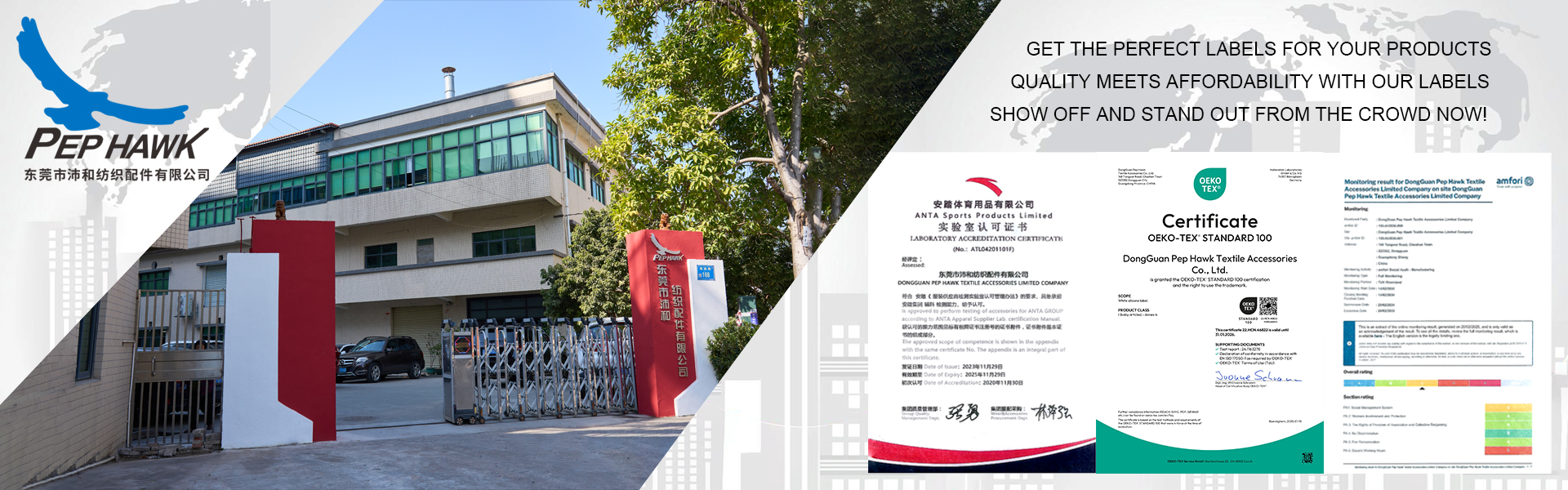
How to Fix Engraved Leather Patch Errors Without Ruining Your Design
How to Sew On Custom Patches: A Comprehensive Guide



