What Are the Best Brand Tags for Apparel? A Senior Maker’s Guide to Selection and Production
Table of Contents
When you pick up a premium pair of sneakers or a pair of heritage jeans, the first detail you might notice is the small, meticulously crafted tag bearing the brand logo.
The 4 Most Popular Brand Tags for Apparel (and Why Top Brands Use Them)
Different garments demand different tagging solutions. Top global brands carefully select their tags based on durability, comfort, and brand positioning. Here are the four most prevalent types:
1. Silicone Labels: Durable and Waterproof
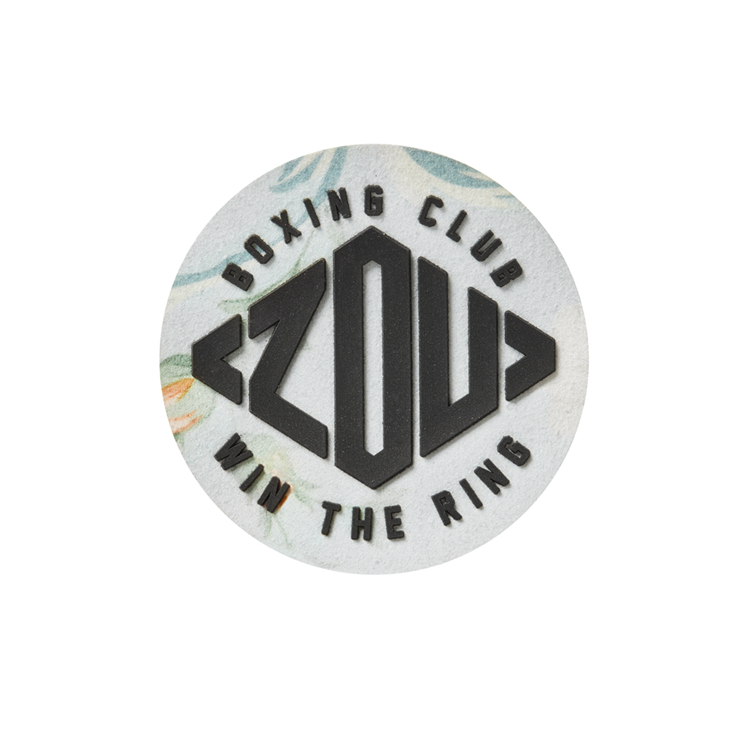
Silicone labels are highly valued for their flexibility, water resistance, and exceptional longevity. Nike frequently utilizes them on its performance footwear. For instance, on the shoe tongue of an Air Max 270, the small, raised “Nike” logo is a custom silicone label. It resists peeling even after repeated exposure to rain, sweat, or washing, keeping the brand visibility intact. Similarly, Apple uses subtle silicone tags on its iPhone cases to maintain a premium, seamless aesthetic. Silicone is the go-to choice for brands that need tags to withstand harsh wear and tear.
2. TPU (Thermoplastic Polyurethane) Labels: Soft and Skin-Friendly
TPU labels are significantly softer and more pliable than traditional silicone, making them ideal for clothing that directly touches the skin. Adidas frequently applies TPU labels on the inner care tags of its Ultraboost running jackets. This thin TPU strip eliminates the scratchy feeling of traditional fabric tags and will not fade or crack when washed. Puma also opts for TPU for its kids’ sportswear lines, ensuring the flexible tags do not irritate sensitive skin. For brands prioritizing wearer comfort, TPU is a top-tier selection.
3. Woven Labels: Classic and Detailed
Woven labels are created by interlacing threads to form patterns and text, resulting in a delicate, textured finish. Levi’s is a classic adopter; the iconic blue-and-white woven label on the waistband of its 501 jeans is a testament to this. It is thin, does not bulk up the fabric, and lasts as long as the denim itself. Luxury houses like Gucci also utilize woven labels on their garments, often incorporating metallic gold or silver threads to elevate the perceived luxury. Woven labels perfectly suit brands aiming for a timeless, detailed, and traditional look.
4. Leather Patches: Premium and Iconic
Leather patches immediately convey luxury, heritage, and durability. Louis Vuitton (LV) prominently features leather patches on its Speedy handbags. The brown leather patch with the embossed “Louis Vuitton Paris” acts as a status symbol, aging beautifully and developing a unique, desirable patina over time. Levi’s also leverages this on the back pocket of its 501 jeans with a small leather patch complementing the brand’s red tab. Leather patches are ideal for high-end or heritage brands seeking to convey unquestionable quality and tradition.
A Step-by-Step Guide to the Production Process of Brand Tags for Apparel
Creating high-quality brand tags for apparel is not a simple printing job; it is a meticulous manufacturing process. Here is the standard workflow we follow to ensure impeccable outcomes:
Step 1: Conceptualization and Intricate Design Drafts
Every great tag starts with a precise design. This is where PEPHAWK truly shines. With our general manager’s 31 years of silicone industry expertise, we provide highly detailed, production-ready design drafts. We analyze your logo, determine the optimal dimensions, and select the right color codes (Pantone matching) to ensure the digital draft translates perfectly into a physical product.
Step 2: Material Sourcing and Prototyping
Once the design is approved, we source premium, often eco-friendly, raw materials. For silicone or TPU, this means selecting medical-grade or apparel-safe compounds. A physical prototype (or "strike-off") is then produced. This allows the client to feel the texture, check the flexibility, and verify the color accuracy before committing to mass production.
Step 3: Tooling and Mold Creation
For silicone and TPU tags, precision steel molds are CNC-machined based on the approved prototype. For woven labels, the digital design is translated into loom instructions, determining the thread density (e.g., 50 or 75 denier) and weave type (damask or satin). This step is critical; a poorly made mold or loom setup will result in blurry logos or uneven edges.
Step 4: Mass Production and Strict Quality Control
During production, tags are manufactured in batches. For silicone/TPU, this involves injection molding or compression molding, followed by precise trimming of flash (excess material). Throughout this phase, random sampling is conducted to check for color consistency, dimensional accuracy, and adhesion strength.
Step 5: Finishing, Packaging, and Dispatch
The final step involves adding the attachment method. This could be heat-seal adhesive backing, sewing loops, or pin holes. The tags are then carefully counted, packaged in protective polybags to prevent dust or scratching, and prepared for global dispatch.
Practical Advice and Common Pitfalls (With Real-World Counter-Examples)
Even experienced brand owners can make costly mistakes when sourcing brand tags for apparel. Here is some grounded advice from the production floor, paired with common counter-examples to avoid.
Advice 1: Align the Tag Material with the Garment’s Function
Recommendation: Always consider where the tag will be placed and what the garment will endure. Activewear needs sweat-resistant, soft tags; outerwear can handle heavier, more robust tags.
Counter-Example: A startup once opted for a thick, stiff, traditional woven label with a scratchy border for a line of premium baby onesies. The result? Immediate customer complaints about skin irritation and a high return rate. A soft TPU or heat-transferred label would have been the correct choice.
Advice 2: Prioritize Washability and Colorfastness
Recommendation: Always request a wash-test report from your manufacturer. Tags should withstand at least 30–50 industrial wash cycles without peeling, cracking, or bleeding color.
Counter-Example: A budget streetwear brand chose cheap, surface-printed PVC tags to save costs. After a single machine wash, the printed logo peeled off entirely, leaving a blank, sticky residue on the hoodie, severely damaging the brand’s reputation.
Advice 3: Keep the Design Legible at Small Sizes
Recommendation: Intricate is good, but overly complex is bad. If your tag is only 15mm wide, avoid micro-text or highly detailed illustrations that will blur during molding or weaving.
Counter-Example: A designer attempted to squeeze a 12-word brand motto and a complex crest into a 10mm silicone tag. The resulting product was an unreadable blob of rubber, failing to serve its primary purpose of brand identification.
Comparative Analysis: Evaluating Your Options
To help you make an informed decision, we have broken down the choices into multi-dimensional comparison tables.
Table 1: Material Comparison for Brand Tags for Apparel
| Feature | Silicone Labels | TPU Labels | Woven Labels | Leather Patches |
|---|---|---|---|---|
| Durability | Excellent (Waterproof, tear-resistant) | Very Good (Flexible, wash-resistant) | Excellent (Fray-resistant, long-lasting) | Excellent (Ages well, develops patina) |
| Comfort / Feel | Smooth, slightly raised, rubbery | Ultra-soft, pliable, skin-friendly | Textured, classic fabric feel | Premium, sturdy, structured |
| Production Cost | Moderate | Moderate to Low (at scale) | Low to Moderate | High (due to material costs) |
| Best Use Case | Sportswear, shoes, outdoor gear, hats | Inner care labels, baby wear, athleisure | Denim, formal wear, heritage clothing | Luxury bags, premium denim, jackets |
| Eco-Friendly Options | Recycled silicone available | Bio-based TPU options emerging | Organic cotton or recycled polyester threads | Vegan leather or responsibly sourced leather |
Table 2: Custom-Made vs. Off-the-Shelf Brand Tags
| Dimension | Custom-Made Brand Tags | Generic Off-the-Shelf Tags |
|---|---|---|
| Brand Identity | Unique, perfectly matches brand colors and font. | Generic, shared with hundreds of other brands. |
| Quality Control | Strict, tailored QC at every production step. | Inconsistent, bulk-packed with minimal inspection. |
| Design Flexibility | Unlimited (custom shapes, 3D effects, specific adhesives). | Highly restricted to standard sizes and basic text. |
| Long-Term Value | High perceived value, justifies premium garment pricing. | Low perceived value, makes the garment look cheap. |
Frequently Asked Questions (FAQ)
Q1: What is the most durable brand tag for outdoor apparel?
For outdoor and performance apparel, silicone labels are generally the most durable. They are inherently waterproof, resistant to UV fading, and can withstand extreme temperature fluctuations without cracking or losing their adhesive bond.
Q2: Can brand tags for apparel be eco-friendly?
Absolutely. The industry is shifting toward sustainability. You can now source woven labels made from 100% recycled PET (rPET) or organic cotton. For rubberized tags, manufacturers like PEPHAWK can utilize recycled silicone compounds or explore bio-based TPU alternatives to reduce the environmental footprint.
Q3: How long does it take to produce custom brand tags for apparel?
The timeline depends on the material and order volume. Typically, creating the initial design draft and prototype takes 5–7 business days. Once the prototype is approved, mold making or loom setup takes another 7–10 days. Mass production and quality control usually require 10–15 days. In total, expect a 3 to 4-week turnaround for a standard custom order.
What Defines Top Branded Luggage Tags?
What Are Common Garment Trim Types?