How Do I Measure the Success of My Brand Sign
Table of Contents
Today, the most effective wearable brand sign is the custom apparel patches.
The Step-by-Step Production Process of Premium Apparel Patches
Creating a high-quality apparel patch is not just about slapping a logo onto a piece of fabric. It is a meticulous manufacturing process. Here is the complete workflow from concept to final product.
Step 1: Artwork Preparation and Digitizing
The foundation of any great brand sign is a clean design. For apparel patches, especially embroidered ones, your vector logo must be converted into a digital stitch file (digitizing). This tells the embroidery machine exactly where to place each thread.
- Pro Tip: Ensure your design has clear boundaries. Intricate, tiny details often get lost in translation when converted to stitches.
Step 2: Material and Technique Selection
Next, we select the base material and production technique. Will it be a classic twill embroidered patch, a high-detail woven patch, a rugged PVC patch, or a premium leather patch? The choice depends on the garment's style and the desired texture of your wearable brand sign.
Step 3: The Manufacturing Phase
- For Embroidered/Woven Patches: The digitized file is loaded into multi-head embroidery machines. The machine stitches the design onto the base fabric (like twill or felt). Once stitched, the patches are cut out. We typically use laser cutting for a clean, sealed edge that prevents fraying, or a Merrow border for a classic, raised edge.
- For PVC/Leather Patches: The design is engraved into a mold. Liquid PVC or genuine/faux leather is then injected or pressed into the mold, cured, and carefully extracted.
Step 4: Backing and Finishing
The final step is applying the backing, which dictates how the apparel patches attach to the garment. Options include heat-seal (iron-on) adhesive, velcro (hook and loop), pin-back, or leaving it plain for sewing. A quality control check is then performed to ensure color accuracy, stitch density, and backing adhesion before shipping.
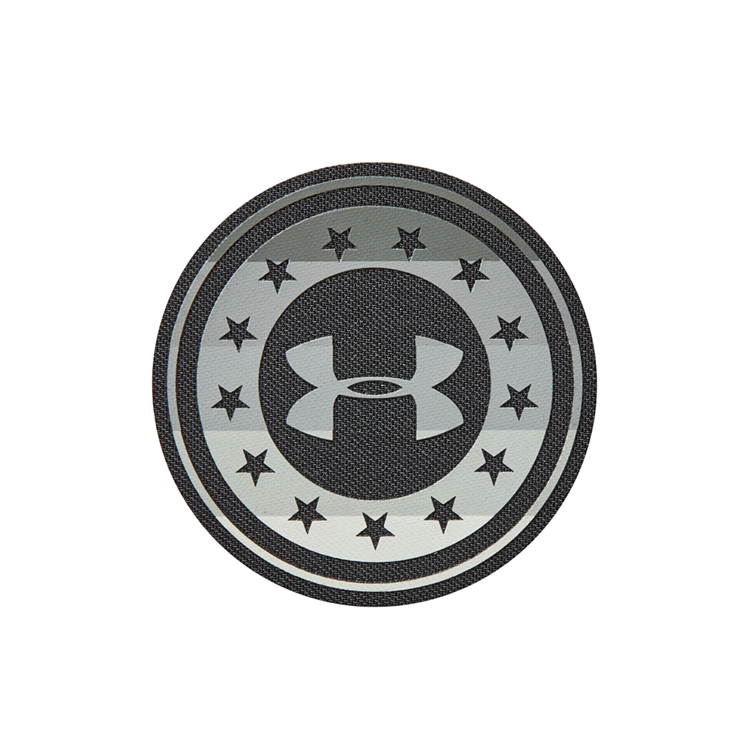
Expert Advice vs. Common Pitfalls
Over the years, I have helped clients fix costly mistakes. Here is some practical advice and a look at common counter-examples when designing your apparel patches.
1. Text Size and Legibility
- The Advice: Treat your patch as a micro brand sign. It needs to be readable from a distance. Keep text bold and limit it to 3-4 words maximum.
- The Counter-example: A client once sent a 2-inch patch design containing their full company name, website URL, and a paragraph of text. The result was a muddy, illegible mess. The threads bled into each other, ruining the brand sign effect.
2. Matching Patch Weight to Garment Fabric
- The Advice: Balance is crucial. Heavy, thick embroidered or leather patches look fantastic on denim jackets, hoodies, and canvas bags.
- The Counter-example: Applying a heavy, thick twill apparel patch to a lightweight, thin cotton t-shirt. The weight of the patch pulls the fabric down, causing the shirt to sag and pucker around the brand sign, looking cheap and unprofessional. For light garments, opt for thin woven patches or lightweight PVC.
3. Choosing the Right Backing
- The Advice: Match the backing to the end-user's needs. Heat-seal is great for quick application on cotton. Velcro is perfect for tactical gear or interchangeable designs.
- The Counter-example: Using standard heat-seal backing on a nylon windbreaker or a waterproof jacket. The heat required to melt the adhesive will melt the nylon garment, and the adhesive won't bond properly to the waterproof coating. In this case, sew-on or specialized low-temperature adhesives are mandatory.
Apparel Patches vs. Competing Brand Sign Alternatives
To truly understand the value of apparel patches, we must compare them to other common methods of creating a wearable brand sign. Below is a multi-dimensional comparison to help you choose the right tool for your brand.
Table 1: Wearable Brand Sign Methods Comparison
| Feature | Custom Apparel Patches | Direct Embroidery | Screen Printing | Printed Fabric Labels |
|---|---|---|---|---|
| Visual Impact (3D Effect) | Excellent (High texture) | Good (Moderate texture) | Poor (Flat) | Poor (Flat) |
| Durability & Wash Resistance | Extremely High | Extremely High | Moderate (Cracks over time) | High |
| Detail Capability | Medium (Best for bold logos) | Low (Limited by stitch size) | High (Great for gradients) | High (Photographic) |
| Cost-Effectiveness | Medium (High perceived value) | Medium (High setup cost) | High (Cheap for bulk) | Very High (Cheapest) |
| Versatility (Can be moved) | Yes (If velcro/pin-backed) | No (Permanent) | No (Permanent) | No (Permanent) |
Analysis: While screen printing is cheaper for massive runs, it lacks the premium tactile feel of apparel patches. Direct embroidery is permanent and can pucker thin fabrics. Apparel patches offer the perfect middle ground: they provide a premium, 3D brand sign effect, can be applied to various garments, and can even be removed or swapped if backed with velcro.
Table 2: Choosing the Right Material for Your Apparel Patches
| Patch Material | Texture & Feel | Best Use Case | Weather Resistance | Detail Level |
|---|---|---|---|---|
| Embroidered (Twill/Felt) | Classic, raised, traditional | Streetwear, varsity jackets, uniforms | Good | Medium |
| Woven | Smooth, flat, tight weave | Small logos, intricate details, corporate wear | Excellent | High |
| PVC (Rubber) | Soft, flexible, 3D molded | Outdoor gear, tactical equipment, beachwear | Excellent (Waterproof) | Medium |
| Leather / Faux Leather | Premium, rustic, sophisticated | High-end denim, luxury bags, heritage brands | Good (Requires care) | Low/Medium |
Frequently Asked Questions
Q: What is the typical turnaround time for custom apparel patches?
A: Standard production takes about 7 to 10 business days after artwork approval. However, complex designs, special materials (like genuine leather), or massive bulk orders may require 15 to 20 days. Always factor in shipping time when planning your product launch.
Q: Can apparel patches withstand industrial washing and dry cleaning?
A: Yes, most apparel patches are highly durable. Embroidered and woven patches easily withstand industrial washing. PVC patches are completely waterproof and chemical-resistant. However, if you are using leather patches, dry cleaning is recommended to preserve the material's integrity.
Q: Why choose an apparel patch over a direct embroidered logo as a brand sign?
A: Direct embroidery stitches directly into the garment, which can cause puckering on thin fabrics and cannot be removed. An apparel patch is created separately and then applied. This allows for a denser, more raised 3D effect, prevents garment distortion, and offers the flexibility to use different backing methods (like velcro) for interchangeable branding.
Q: Is there a minimum order quantity (MOQ) for custom apparel patches?
A: In the export manufacturing industry, the standard MOQ for apparel patches is usually around 50 to 100 pieces per design. This is because the setup costs (like digitizing and creating molds) are amortized over the production run. Ordering in higher quantities significantly reduces the unit price.
The Role of Latest Logos in Modern Marketing Strategies
How to Choose Right One for an Embossed Logo