Printing Techniques for Eye-Catching and Effective Brand of Labels
2024-11-27
Using the appropriate printing method can elevate brand of labels design to a new level. Contact us today to discuss which technique is right for your brand. Let's get started!
Printing techniques are key to creating brand labels that are eye-catching and memorable. With so many printing options available, it can be challenging to choose the right one for your brand and product. In this article, we'll examine some of the most popular printing techniques available today, including offset, digital, letterpress, flexographic, and specialty printing techniques.
Introduction
Custom labels are an essential tool for any brand looking to win customers' attention and stand out from the competition. However, creating an effective label requires more than just great design – you also need to choose the right printing technique to bring your design to life. This article will provide you with an overview of the most popular printing techniques available today and help you choose the right one for your brand's needs.
Offset Printing
Offset printing is one of the oldest printing techniques still in use today. It involves creating an image on a metal plate and then transferring that image onto a rubber "blanket" before finally printing it onto the label material. This technique is known for its high-quality results and can be used on a variety of materials, including paper, vinyl, and cardboard.
The main advantage of offset printing is that it produces high-quality, highly detailed images and is ideal for labels with complex graphics or multi-toned images. However, it can be time-consuming and expensive, especially for smaller print runs. Additionally, the setup time for offset printing is longer than for digital printing, which can be a drawback for brands that need their labels quickly.
Digital Printing
Digital printing is a method of printing that uses digital files to create labels. This technique is ideal for brands that require shorter print runs or that need labels quickly. Digital printing offers high-quality results and can be used on a variety of materials, including plastic, paper, and vinyl.
One of the main benefits of digital printing is that it allows brands to produce labels quickly and at a reasonable cost, making it ideal for small businesses. Additionally, the setup time for digital printing is minimal, which is another advantage for brands that need labels quickly. However, digital printing is not ideal for labels with extremely complex designs or images.
Letterpress Printing
Letterpress printing is a printing technique that involves transferring ink from a raised plate onto the label material. This technique is ideal for brands that want labels with a classic, vintage feel. Letterpress printing can produce high-quality, tactile results that are perfect for vintage-style labels or packaging.
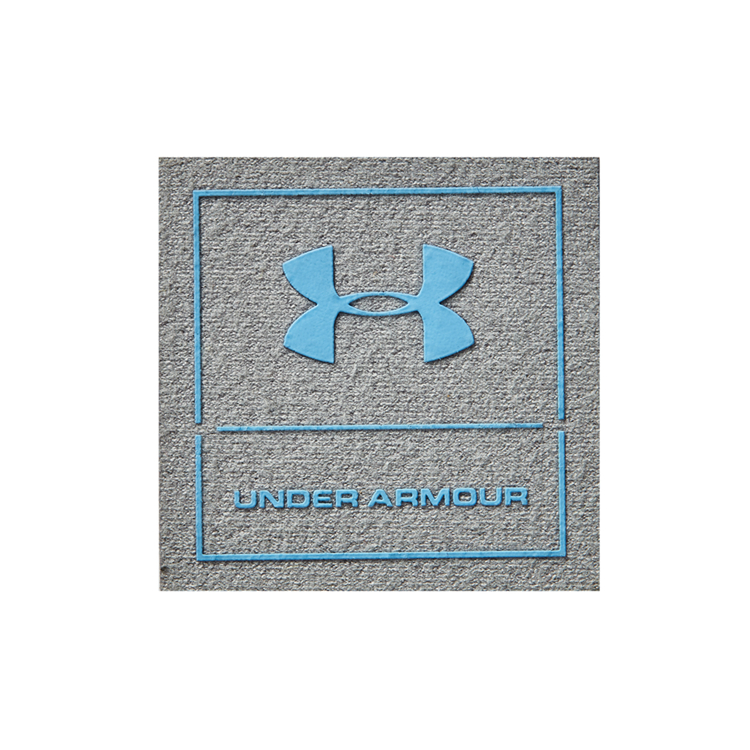
The main advantage of letterpress printing is that it can produce highly textured results that can make your label stand out. Additionally, letterpress printing can be used on a variety of materials, including textured papers, card, and synthetic materials. However, it can be more expensive than other printing techniques, and the setup time is longer.
Flexographic Printing
Flexographic printing is a printing technique that uses flexible plates to transfer ink onto the label material. This technique is ideal for brands that need to produce large quantities of labels or that require labels with vibrant colors. Flexographic printing can be used on a variety of materials, including plastic, card, and paper.
The main advantage of flexographic printing is that it can produce high-quality, vibrant colors that make your label stand out on the shelf. Additionally, it can be used for a variety of label shapes and sizes and is ideal for large print runs. However, it can be more expensive than other printing techniques, and the setup time is longer.
Specialty Printing Techniques
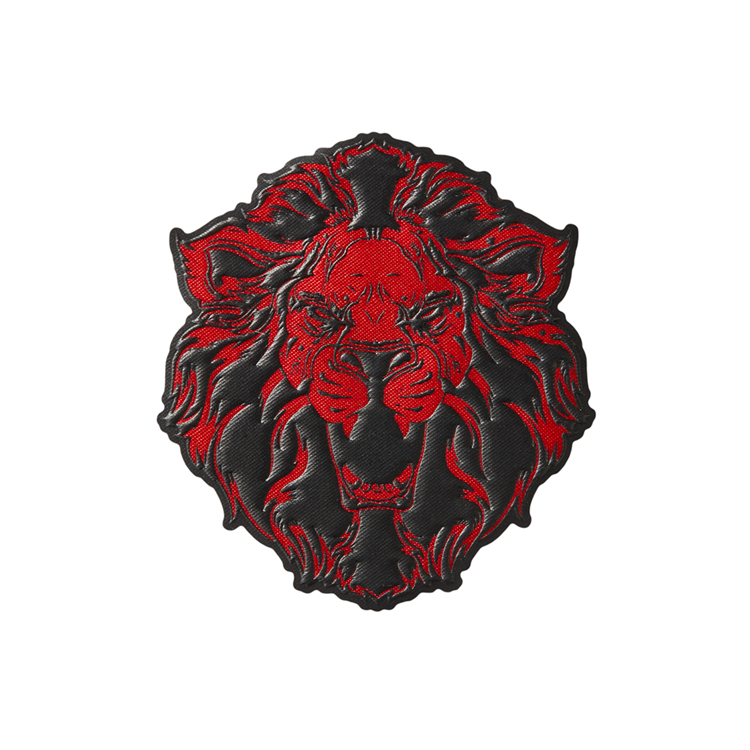
Specialty printing techniques, such as embossing, foil stamping, and screen printing, can add a unique element to your labels. These techniques can be used to create a range of effects, including raised lettering, metallic finishes, and vibrant colors.

The main advantage of speciality printing techniques is that they can add an extra element of sophistication or luxury to your brand labels. However, they are typically more expensive than other printing techniques and may require longer setup times.
Conclusion
Choosing the right printing technique for your brand labels is essential in creating a label that truly stands out on the shelf. By understanding the advantages and disadvantages of each printing technique, brands can make informed decisions about their label printing needs. Whether you're trying to create a classic or vintage look, or you're looking to make a bold statement with vibrant colors or metallic finishes, there is a printing technique out there that can help you achieve your goals.
The Endless Possibilities of Laser Engraving for Logo Enthusiasts
Designing Effective Custom Printed Hang Tags: Tips and Tricks


SEND MESSAGE