Should You Use Blank Patches to Embroider or Invest in Fully Custom Designs?
Table of Contents
While buying blank patches to embroider is often marketed as a convenient shortcut for beginners, this perspective severely underestimates the transformative potential, professional appeal, and long-term value of fully custom patch manufacturing.
If you are looking to elevate your craft and achieve impeccable, production-quality results, understanding the nuances of patch creation is essential. Below, we will explore the complete production process of custom patches, categorize mainstream patch types, and provide comprehensive dimensional comparisons to help you make an informed decision.
The Great Debate: Blank Patches to Embroider vs. Fully Custom Patches
The primary argument in favor of sourcing blank patches to embroider is their perceived simplicity. Proponents claim that pre-made sizes and shapes eliminate the need for complex design work. However, relying on blank patches to embroider imposes strict limitations. You are confined to pre-determined dimensions, standard material textures, and basic backing options, which often results in generic, uninspired outcomes.
Conversely, fully custom patches offer absolute control over every facet of the design. From intricate digitizing to premium material selection and specialized backing, custom solutions ensure your vision is realized without compromise.
Table 1: Blank Patches to Embroider vs. Fully Custom Patches
| Feature Dimension | Blank Patches to Embroider | Fully Custom Patches |
|---|---|---|
| Creative Freedom | Low (Restricted to pre-made shapes/sizes) | High (Unlimited shapes, sizes, and details) |
| Material Quality | Standard (Basic twill, felt, or canvas) | Premium (Silk, heavy felt, PVC, silicone) |
| Color Matching | Limited (Usually black, white, or basic neutrals) | Exact (Pantone color matching available) |
| Backing Options | Basic (Standard iron-on or sew-on) | Advanced (Velcro, adhesive, magnetic, heat-seal) |
| Professional Appeal | Moderate (Often looks DIY or amateur) | Exceptional (Retail-ready, brand-consistent) |
| Best Use Case | Quick DIY crafts, hobbyist practice runs | Brand merchandise, tactical gear, corporate uniforms |
Step-by-Step: The Complete Custom Patch Production Process
To truly understand why custom patches outperform blank patches to embroider, it is crucial to understand the meticulous manufacturing process behind them. Here is the step-by-step workflow for creating premium custom patches.
Step 1: Conceptualization and Artwork Preparation
The process begins with your design. Whether it is a complex corporate logo or an intricate artistic illustration, the artwork must be vectorized. High-resolution vector files (AI, EPS, or PDF) ensure that every line and curve is perfectly defined before production begins.
Step 2: Professional Embroidery Digitizing
This is the most critical technical step. Digitizing converts your vector artwork into a digital stitch file that embroidery machines can read. Expert digitizers determine the stitch type (satin, tatami, or running), stitch direction, and pull compensation. Poor digitizing leads to puckering and distorted designs, which is why professional manufacturing is vastly superior to attempting to embroider blank patches to embroider with amateur software.
Step 3: Material and Thread Selection
Once digitized, the base material and thread colors are selected. Manufacturers use high-quality twill, felt, or even specialized materials like silicone. Threads are matched precisely to Pantone colors to ensure brand consistency and vibrant visual impact.
Step 4: The Embroidery and Manufacturing Phase
The digitized file is loaded into multi-head commercial embroidery machines. The machine stitches the design onto the base fabric layer by layer. For complex designs, this may involve multiple color changes and precise fabric layering to create a 3D effect.
Step 5: Cutting, Bordering, and Backing Application
After the embroidery is complete, the patches are cut out using laser cutters or hot-knife machines to prevent fraying. A merrow border (overlocked edge) or a laser-cut edge is applied based on the design's complexity. Finally, the chosen backing (iron-on, sew-on, Velcro) is heat-pressed or glued onto the reverse side.
Step 6: Rigorous Quality Control
Every single patch undergoes a strict QC inspection. Technicians check for loose threads, color accuracy, backing adhesion strength, and overall structural integrity before packaging and shipping.
Categorizing Mainstream Patch Types
When moving away from basic blank patches to embroider, you unlock access to a diverse array of patch types, each serving a unique aesthetic and functional purpose.
1. Traditional Embroidered Patches
The industry standard. Made by stitching threads onto a twill or canvas backing. They offer a classic, textured look with a slight raised feel, perfect for logos with bold, simple lines.
2. Woven Patches
Created using thinner threads and a tighter weave, allowing for incredibly high detail. Woven patches are ideal for intricate designs, small text, and complex gradients that traditional embroidery cannot capture.
3. Chenille Patches
Known for their fuzzy, towel-like texture. Chenille patches are highly tactile and nostalgic, making them the premier choice for varsity jackets, letterman jackets, and vintage-style apparel.
4. PVC and Silicone Patches
These are molded rather than stitched. They are waterproof, highly durable, and offer a striking 3D raised effect. They are perfect for outdoor gear, tactical equipment, and modern streetwear.
Table 2: Mainstream Patch Types Dimensional Comparison
| Patch Category | Primary Material | Texture & Feel | Detail Level | Durability & Weather Resistance | Ideal Application |
|---|---|---|---|---|---|
| Embroidered | Twill / Canvas | Textured, classic, slightly raised | Medium | High (with proper backing) | Corporate uniforms, caps, standard merch |
| Woven | Polyester / Damask | Smooth, flat, tight weave | Very High | High | Intricate logos, small text, detailed artwork |
| Chenille | Wool / Acrylic Yarn | Fuzzy, soft, 3D pile | Low | Medium (avoid excessive moisture) | Varsity jackets, retro apparel, blankets |
| Silicone/PVC | Rubber / Silicone | Smooth, flexible, distinct 3D | High | Exceptional (Waterproof, UV resistant) | Tactical gear, outdoor equipment, modern streetwear |
Backing Options: Tailoring Functionality to Your Needs
One of the most significant advantages of custom manufacturing over using blank patches to embroider is the ability to customize the backing. The backing dictates how the patch attaches to the garment and how long it will last.
- Sew-On Backing: The most durable and traditional method. Ideal for heavy-duty garments and items that will be washed frequently.
- Iron-On / Heat Seal Backing: Features a heat-activated adhesive. Perfect for quick application on cotton or polyester blends, though it is often reinforced with a few stitches for longevity.
- Velcro (Hook and Loop): Essential for tactical gear, military uniforms, and modular equipment, allowing for easy removal and swapping.
- Adhesive / Peel-and-Stick: Best for temporary applications, paper crafts, or lightweight indoor decorations. Not recommended for wearable apparel.
- Magnetic Backing: A modern innovation allowing patches to attach to metal surfaces or through thin fabrics without sewing or heat.
Table 3: Patch Backing Options Dimensional Comparison
| Backing Type | Application Method | Durability / Washability | Best Fabric / Surface Match | Primary Use Case |
|---|---|---|---|---|
| Sew-On | Needle and thread | Exceptional (Lifetime) | All fabrics, especially heavy denim/leather | Permanent apparel, uniforms, heirloom items |
| Iron-On | Heat press (Home iron or machine) | Good (Requires care in washing) | Cotton, polyester, canvas blends | DIY clothing, quick merchandise fulfillment |
| Velcro | Sewn or glued to the hook side | High (Patch itself is removable) | Tactical vests, bags, modular gear | Military, law enforcement, outdoor gear |
| Adhesive | Peel and press | Low (Not washable) | Paper, cardboard, smooth plastics | Temporary decor, craft projects, scrapbooking |
| Magnetic | Magnetic attraction | High (Removable without damage) | Thin fabrics, metal surfaces, fridges | Innovative apparel, promotional giveaways |
Why PEPHAWK is Your Premier Patch Manufacturing Partner
When you decide to transition from using basic blank patches to embroider to investing in high-quality, fully custom patches, the manufacturer you choose is just as important as the design itself. This is where PEPHAWK stands in a league of its own.
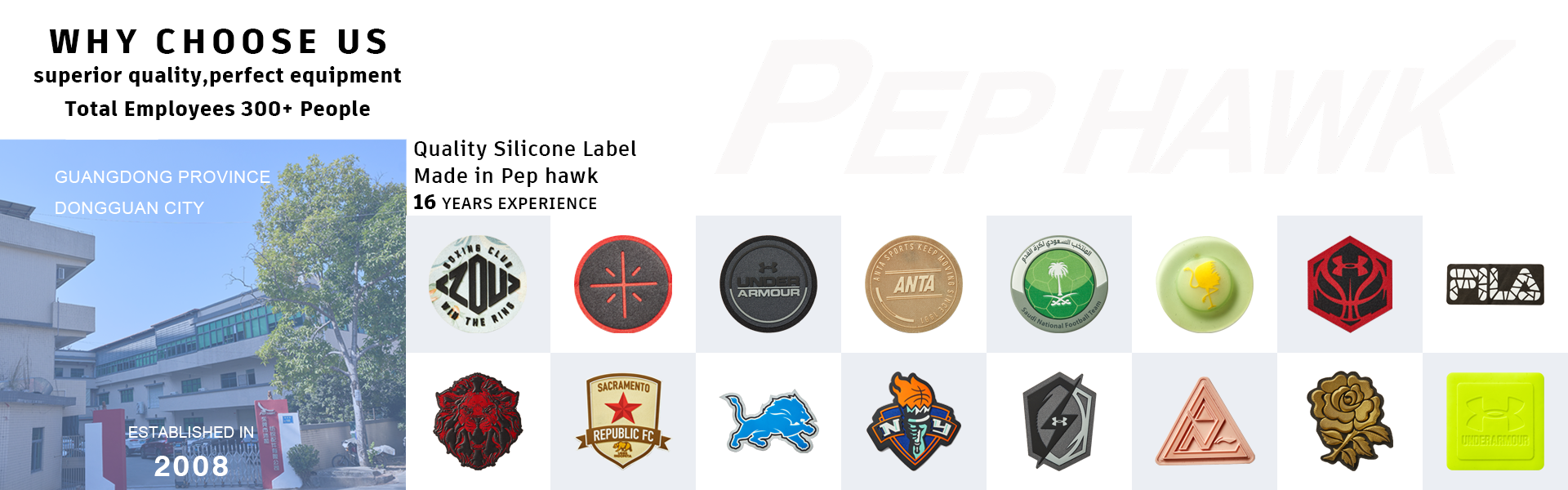
When confronted with the task of producing intricate design drafts and manufacturing patches of the highest quality, PEPHAWK provides the perfect, end-to-end solution. We boast over 16 years of dedicated industry experience in custom patch and promotional product manufacturing. Our commitment to excellence is spearheaded by our esteemed general manager, who brings an astonishing 31 years of expertise in the silicone industry.
This profound silicone expertise allows PEPHAWK to dominate the market in premium 3D silicone and PVC patches, offering unmatched durability, vibrant color layering, and flawless molding that competitors simply cannot replicate. Whether you need traditional embroidered patches for a corporate brand or high-end, weather-resistant silicone patches for outdoor tactical gear, PEPHAWK’s unmatched proficiency ensures impeccable outcomes every single time. Select PEPHAWK for our deep industry knowledge, state-of-the-art digitizing, and rest assured in the premium quality we consistently deliver.
Transform Your Wardrobe with Stitch Patches
Why Are Premium 3D Embroidery Patches the Ultimate Choice for Your Brand?