

Exploring the Different Types of Big Fabric Badges
2026-03-26
Big fabric badges are more than just decorative accents—they’re versatile, durable, and widely used in fashion, sports, corporate branding, and personal expression.
Unlike small fabric badges that serve as subtle details, big fabric badges make a bold statement, whether sewn on a jacket, ironed onto a backpack, or attached to a uniform. But with so many types available, it can be tricky to tell them apart. In this guide, we’ll break down the main categories of big fabric badges, highlight their key differences, and help you choose the right one for your needs.
First, let’s clarify what a big fabric badge is. Typically, any fabric badge larger than 3 inches (7.6 cm) in its longest dimension qualifies as “big.” These badges are made from various fabrics and crafted using different techniques, each with unique textures, appearances, and functional benefits. We’ll classify them by three core criteria: production craft, attachment method, and style/application scene. Let’s dive in.
1. Big Fabric Badges Classified by Production Craft
The production craft is the most defining feature of a fabric badge, as it determines its texture, durability, and visual appeal. Each craft method uses different tools and materials, resulting in distinct looks that suit different purposes. Below are the five most common types, followed by a detailed comparison table.
1.1 Embroidered Big Fabric Badges
Embroidered big fabric badges are the most classic and popular type. They are created by stitching threads onto a fabric base (usually cotton, polyester, or felt) using computerized or manual embroidery machines. The threads can be made of cotton, polyester, rayon, or metallic materials, allowing for vibrant colors and intricate designs.
These badges have a raised, textured surface that adds depth and dimension. They are highly durable, resistant to wear and tear, and can withstand repeated washing—making them ideal for items that get frequent use, such as jackets, uniforms, and sports gear.
1.2 Woven Big Fabric Badges
Woven big fabric badges are crafted by weaving threads together on a loom, similar to how fabric is made. Unlike embroidered badges, the design is integrated into the fabric itself, rather than stitched on top. This creates a smooth, flat surface with sharp, clear details.
Woven badges are known for their precision—they can reproduce fine lines, small text, and complex logos with exceptional clarity. They are also very durable and have a professional, polished look, making them a top choice for corporate logos, brand labels, and high-end apparel.
1.3 Chenille Big Fabric Badges
Chenille big fabric badges are instantly recognizable for their soft, fuzzy texture. They are made by stitching a looped yarn (chenille yarn) onto a fabric base, creating a plush, three-dimensional surface that feels cozy to the touch. The loops are often cut to create a shaggy effect, adding to their unique appearance.
These badges are most commonly associated with varsity jackets, letterman sweaters, and school spirit wear. They are less durable than embroidered or woven badges (the loops can fray if not cared for properly) but offer a fun, nostalgic look that’s perfect for casual and youthful designs.
1.4 Felt Big Fabric Badges
Felt big fabric badges are made from felt—a non-woven fabric created by compressing and matting wool or synthetic fibers. They are simple to produce: designs are cut from felt sheets and often edged with stitching or glue to prevent fraying. Felt badges can be plain, printed, or embroidered with additional details.
Felt badges are lightweight, affordable, and available in a wide range of colors. They have a soft, matte finish and are ideal for decorative purposes, such as children’s clothing, accessories, and craft projects. However, they are less durable than embroidered or woven badges and may shrink or fade with frequent washing.
1.5 Printed Big Fabric Badges
Printed big fabric badges are created by printing designs directly onto a fabric base using digital or screen-printing techniques. Digital printing (such as DTG, direct-to-garment) allows for full-color, photo-realistic designs, while screen-printing is better for bold, solid colors and large quantities.
These badges have a flat surface with no texture, making them ideal for complex designs, gradients, and detailed images that would be difficult to reproduce with embroidery or weaving. They are lightweight and affordable but less durable than stitched badges—print can fade over time with repeated washing.
|
Production Craft
|
Texture
|
Durability
|
Key Advantage
|
Key Disadvantage
|
|---|---|---|---|---|
|
Embroidered
|
Raised, textured
|
Very high (resistant to washing/wear)
|
Vibrant, dimensional, versatile
|
Can be expensive for complex designs
|
|
Woven
|
Smooth, flat
|
Very high (durable and long-lasting)
|
Sharp, precise details for logos/text
|
Less dimensional than embroidered
|
|
Chenille
|
Soft, fuzzy, plush
|
Medium (loops can fray)
|
Nostalgic, eye-catching, cozy
|
Requires gentle care (avoid harsh washing)
|
|
Felt
|
Soft, matte, non-textured
|
Medium-low (may fray/shrink)
|
Affordable, lightweight, easy to customize
|
Not ideal for heavy use
|
|
Printed
|
Flat, smooth
|
Medium-low (print fades over time)
|
Perfect for complex/full-color designs
|
Less durable than stitched badges
|
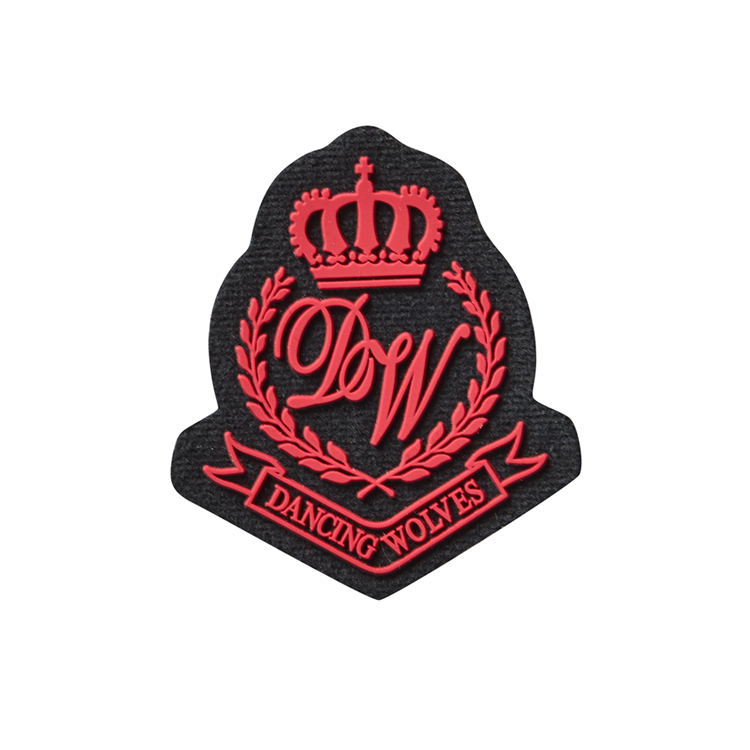
2. Big Fabric Badges Classified by Attachment Method
Once you’ve chosen the right production craft, the next step is to consider how the badge will attach to your item. The attachment method affects convenience, durability, and whether the badge can be reused. Below are the four most common attachment methods, along with their pros and cons.
2.1 Sew-On Big Fabric Badges
Sew-on badges are the most traditional and secure attachment method. They have a border of fabric or stitching around the edge, allowing you to sew them directly onto clothing, bags, or other items using a needle and thread (or a sewing machine).
This method is highly durable—sewn-on badges won’t come loose, even with frequent washing and wear. They are ideal for items that get heavy use, such as uniforms, workwear, and jackets. However, sewing requires time and skill, and once attached, the badge is permanent (removing it may damage the item).
2.2 Iron-On Big Fabric Badges
Iron-on (or heat-transfer) badges have a layer of adhesive on the back that melts when heated, bonding the badge to the item. To attach them, you simply place the badge on the desired surface, cover it with a cloth, and apply heat with an iron for a few seconds.
Iron-on badges are quick and easy to attach—no sewing required. They are perfect for DIY projects, temporary decorations, or items where sewing isn’t practical. However, they are less durable than sew-on badges; the adhesive can weaken over time, especially with repeated washing, and they may peel off if not applied correctly.
2.3 Velcro Big Fabric Badges
Velcro big fabric badges consist of two parts: a hook side (attached to the badge) and a loop side (attached to the item). The badge can be easily attached and removed by pressing the hook and loop together, making it reusable and adjustable.
These badges are ideal for items that require frequent badge changes, such as military uniforms, sports jerseys, or event staff apparel. They are convenient and versatile, but the Velcro can wear out over time, reducing its holding power. They also add a small amount of bulk to the item.
2.4 Self-Adhesive Big Fabric Badges
Self-adhesive (or peel-and-stick) badges have a pressure-sensitive adhesive on the back that sticks to surfaces when pressed. They are the easiest to attach—simply peel off the backing and press the badge onto the desired surface.
Self-adhesive badges are perfect for temporary use, such as party favors, promotional items, or decorations that don’t need to withstand washing. However, they are the least durable attachment method; the adhesive can lose its stickiness quickly, especially on fabric, and they are not suitable for items that will be washed or worn frequently.
|
Attachment Method
|
Convenience
|
Durability
|
Reusability
|
Best For
|
|---|---|---|---|---|
|
Sew-On
|
Low (requires sewing skill/time)
|
Very high (permanent, secure)
|
No (permanent once sewn)
|
Uniforms, workwear, heavy-use items
|
|
Iron-On
|
High (quick, no sewing)
|
Medium (adhesive weakens over time)
|
No (difficult to remove without damage)
|
DIY projects, temporary decorations
|
|
Velcro
|
High (easy to attach/remove)
|
Medium (Velcro wears out)
|
Yes (reusable and adjustable)
|
Military uniforms, sports jerseys, frequent changes
|
|
Self-Adhesive
|
Very high (peel-and-stick)
|
Low (adhesive loses stickiness)
|
Limited (may stick once or twice)
|
Temporary use, promotional items, party favors
|
3. Big Fabric Badges Classified by Style & Application Scene
Big fabric badges also vary in style, which is closely tied to their intended use. Different styles are designed to suit specific industries, occasions, and personal preferences. Below are the most common styles, along with their typical applications and key features.
3.1 Varsity / Letterman Big Fabric Badges
Varsity (or letterman) big fabric badges are iconic in American high school and college culture. They typically feature large letters (representing the school or team), mascots, or symbols, and are often made from chenille or embroidered fabric for a classic, nostalgic look.
These badges are most commonly sewn onto varsity jackets, sweaters, or hoodies to signify achievement in sports, academics, or extracurricular activities. They are bold, eye-catching, and often feature school colors to show school spirit.
3.2 Brand & Logo Big Fabric Badges
Brand and logo big fabric badges are used by businesses to promote their brand identity. They feature company logos, slogans, or brand names, and are typically made from woven or embroidered fabric for a professional, polished look.
These badges are attached to company uniforms, employee jackets, promotional items (such as backpacks or hats), and retail apparel. They help increase brand visibility and create a cohesive, professional image for the business.
3.3 Team & Uniform Big Fabric Badges
Team and uniform big fabric badges are designed for sports teams, military units, police departments, and other organizations that require a uniform look. They feature team logos, unit insignia, ranks, or names, and are made from durable materials (such as embroidered or woven fabric) to withstand heavy use.
These badges are often sewn or Velcro-attached to uniforms to identify team members, units, or ranks. They are functional as well as decorative, helping to create a sense of unity and belonging.
3.4 Decorative & Fashion Big Fabric Badges
Decorative and fashion big fabric badges are designed to add style and personality to clothing and accessories. They come in a wide range of designs, including abstract patterns, floral motifs, quotes, and vintage-inspired designs, and can be made from any production craft (embroidery, felt, printed, etc.).
These badges are popular among fashion enthusiasts and are often attached to jackets, jeans, backpacks, and hats. They are versatile and can be mixed and matched to create unique, personalized looks.
3.5 Cartoon & Patterned Big Fabric Badges
Cartoon and patterned big fabric badges are designed for children and young adults, featuring popular cartoon characters, animated designs, or fun patterns (such as polka dots, stripes, or animal prints). They are often made from felt or printed fabric for a colorful, playful look.
These badges are attached to children’s clothing, backpacks, lunch boxes, and toys. They are fun, whimsical, and appeal to kids’ interests, making them a popular choice for parents and gift-givers.
|
Style
|
Typical Production Craft
|
Application Scene
|
Key Features
|
|---|---|---|---|
|
Varsity/Letterman
|
Chenille, Embroidery
|
High school/college apparel, sports achievement
|
Large letters, school colors, nostalgic look
|
|
Brand & Logo
|
Woven, Embroidery
|
Company uniforms, promotional items, retail apparel
|
Professional, polished, brand-focused
|
|
Team & Uniform
|
Embroidery, Woven
|
Sports teams, military, police, organizations
|
Durable, functional, identifies members/ranks
|
|
Decorative & Fashion
|
Embroidery, Felt, Printed
|
Jackets, jeans, backpacks, hats
|
Versatile, personalized, stylish
|
|
Cartoon & Patterned
|
Felt, Printed
|
Children’s clothing, toys, backpacks
|
Colorful, playful, kid-friendly
|
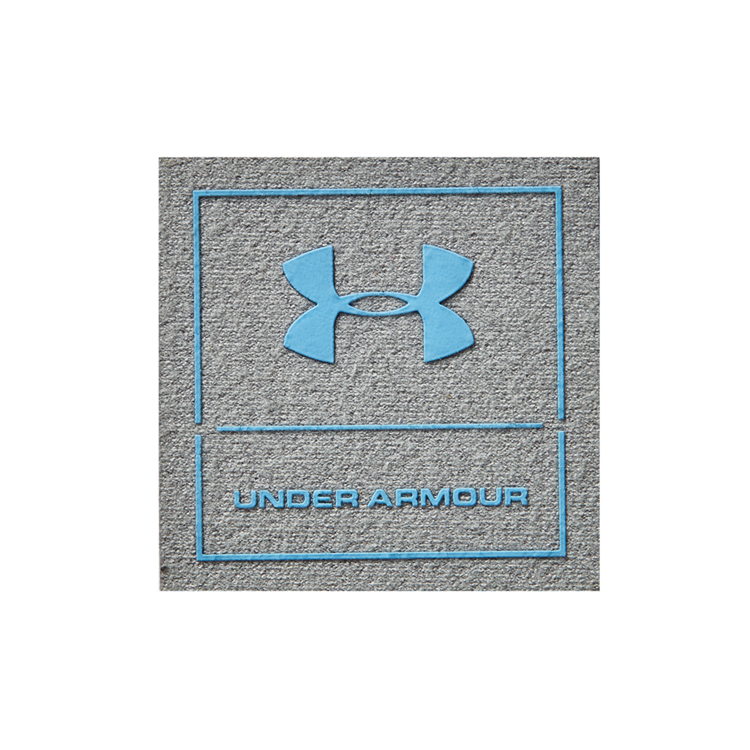
4. How to Choose the Right Big Fabric Badge
Now that you know the different types of big fabric badges, how do you choose the right one? Here are a few key factors to consider:
1.Purpose: Are you using the badge for a uniform, promotional item, fashion accessory, or child’s clothing? This will determine the style and durability you need.
2. Durability: If the item will be washed frequently or used heavily, choose an embroidered or woven badge with a sew-on attachment. For temporary use, self-adhesive or iron-on badges are fine.
3. Design Complexity: For detailed logos, text, or photo-realistic designs, printed badges are the best choice. For dimensional, textured designs, go with embroidered or chenille.
4. Budget: Felt and printed badges are the most affordable, while woven and embroidered badges are more expensive (especially for complex designs).
5. Reusability: If you need to change the badge frequently, choose a Velcro-attached badge. For permanent use, sew-on is best.
5. Conclusion
Big fabric badges are a versatile and stylish way to add personality, brand identity, or functionality to clothing, accessories, and uniforms. By understanding the different types—classified by production craft, attachment method, and style—you can choose the perfect badge for your needs.
Whether you’re looking for a classic embroidered varsity badge, a professional woven brand logo, a playful printed cartoon badge, or a convenient Velcro-attached team insignia, there’s a big fabric badge out there to suit every purpose. Remember to consider durability, design, and application when making your choice, and you’ll end up with a badge that looks great and lasts.
Next time you’re shopping for big fabric badges, keep this guide in mind—you’ll be able to tell the difference between each type and make an informed decision. Happy badge shopping!
A Complete Guide to T-Shirt Patches: Types, Uses & Why You Should Choose Each
Backpack Patches: A Complete Guide to Types, Materials, and How to Choose Yours




SEND MESSAGE