

Badges for Coats: Thickness Matching Principles and Customization Solutions
2026-01-08
Table of Contents
Coats badges have evolved from simple decorative accessories into indispensable elements that blend functionality, aesthetics, and brand storytelling.
Whether for high-end fashion brands, corporate uniform suppliers, or individual consumers pursuing personalized style, the right coat badge can elevate the overall appeal of a coat while conveying unique messages. Two core factors determine the effectiveness of a coat badge: the scientific matching of badge thickness to coat fabric weight, and the flexibility of customization in terms of colors, materials, and designs. This article delves into these two critical aspects, providing a comprehensive guide for businesses and buyers seeking optimal coat badge solutions.
Thickness Matching: The Cornerstone of Comfort and Aesthetic Harmony
The thickness of a coat badge is not a random parameter; it is a key factor that directly impacts the wearing experience, durability, and visual coordination with the coat. A mismatched badge thickness can either make the badge look out of place on a lightweight coat or fail to withstand the wear and tear of a heavy-duty jacket. To achieve the perfect match, it is essential to classify badge thickness scientifically and establish clear matching guidelines for different types of coats.
Classification of Coat Badge Thickness
Based on practical application scenarios and industry standards, coat badges can be divided into three main categories according to thickness:
-
Ultra-thin badges (≤0.5mm)
-
This category of badges is crafted with precision using thin, flexible materials such as thin woven cloth, lightweight PVC film, or delicate embroidery thread. The core advantage of ultra-thin badges lies in their minimal thickness, which allows them to lie flat against the fabric without adding bulk. They are typically processed using techniques like heat transfer printing or fine-line embroidery, ensuring that the surface remains smooth and does not affect the drape of the coat. Ultra-thin badges are ideal for scenarios where subtlety and elegance are prioritized.
-
Regular-thickness badges (0.6–1.2mm)
-
Regular-thickness badges strike a perfect balance between durability and flexibility, making them the most widely used type in the coat badge market. The thickness range is carefully calibrated to accommodate a variety of processing methods, including standard embroidery, woven labeling, and soft enamel stamping. These badges have enough structural integrity to maintain their shape over time, while still being flexible enough to adapt to the movement of the coat fabric. They are suitable for most everyday coat styles and are favored by brands for their versatility and cost-effectiveness.
-
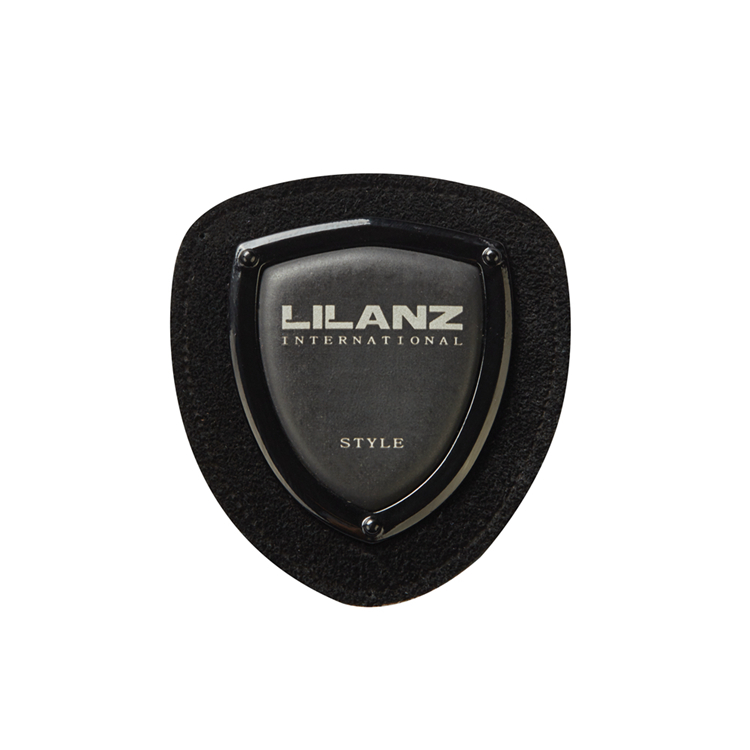
Heavy-duty badges (>1.2mm)
-
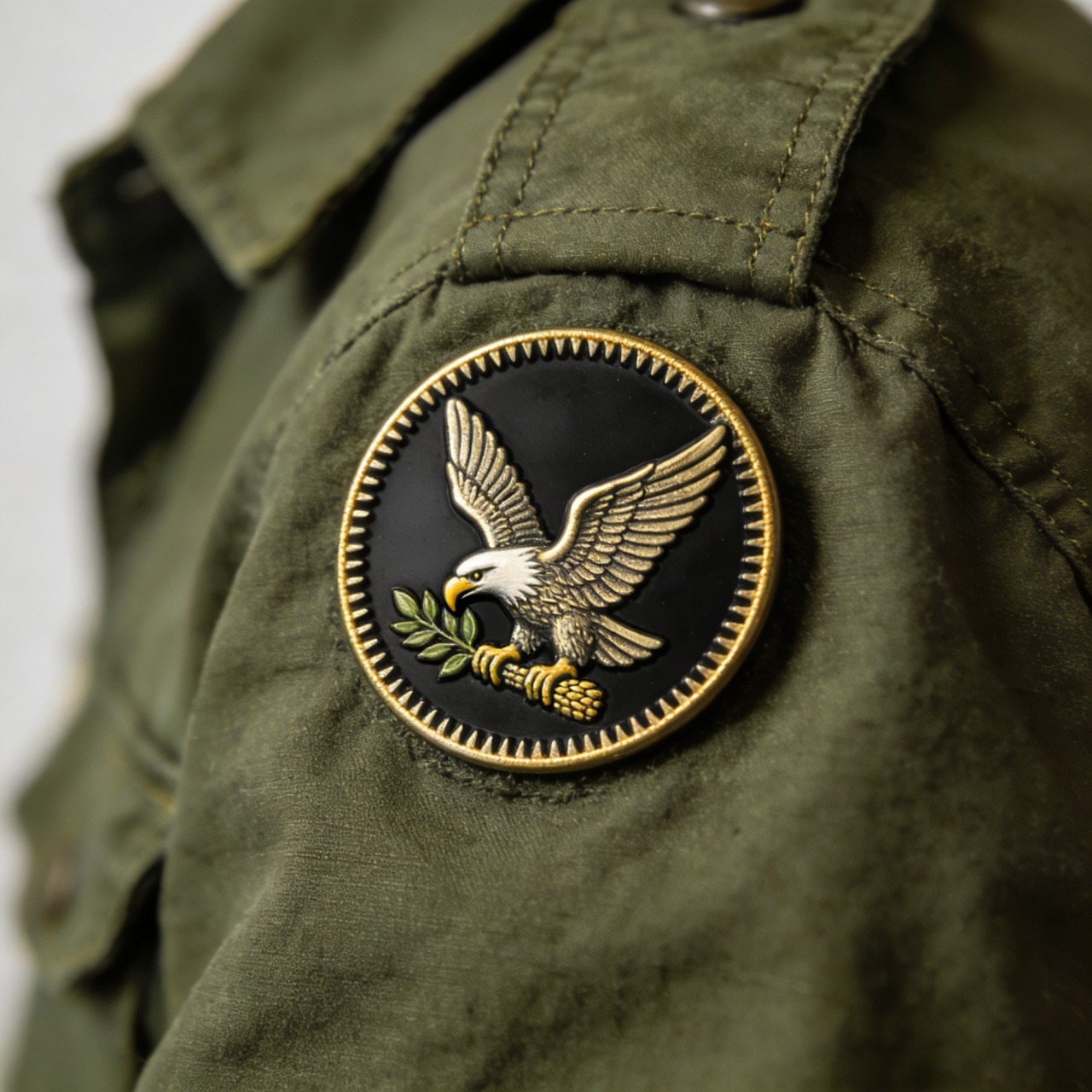
Designed for durability and visual impact, heavy-duty badges are made from sturdy materials such as thick metal plates, rigid leather patch, or dense 3D embroidery. Their increased thickness provides excellent resistance to abrasion, tearing, and deformation, making them suitable for coats that are exposed to harsh conditions, such as outdoor work jackets, military-style parkas, and leather coats. Heavy-duty badges often feature bold designs and raised elements, which can serve as a focal point of the coat and enhance brand visibility.
Matching Guidelines for Different Coat Types
The key to successful thickness matching is to align the badge thickness with the weight and texture of the coat fabric. This not only ensures comfort but also enhances the overall aesthetic value of the garment.
-
Ultra-thin badges for lightweight coats
-
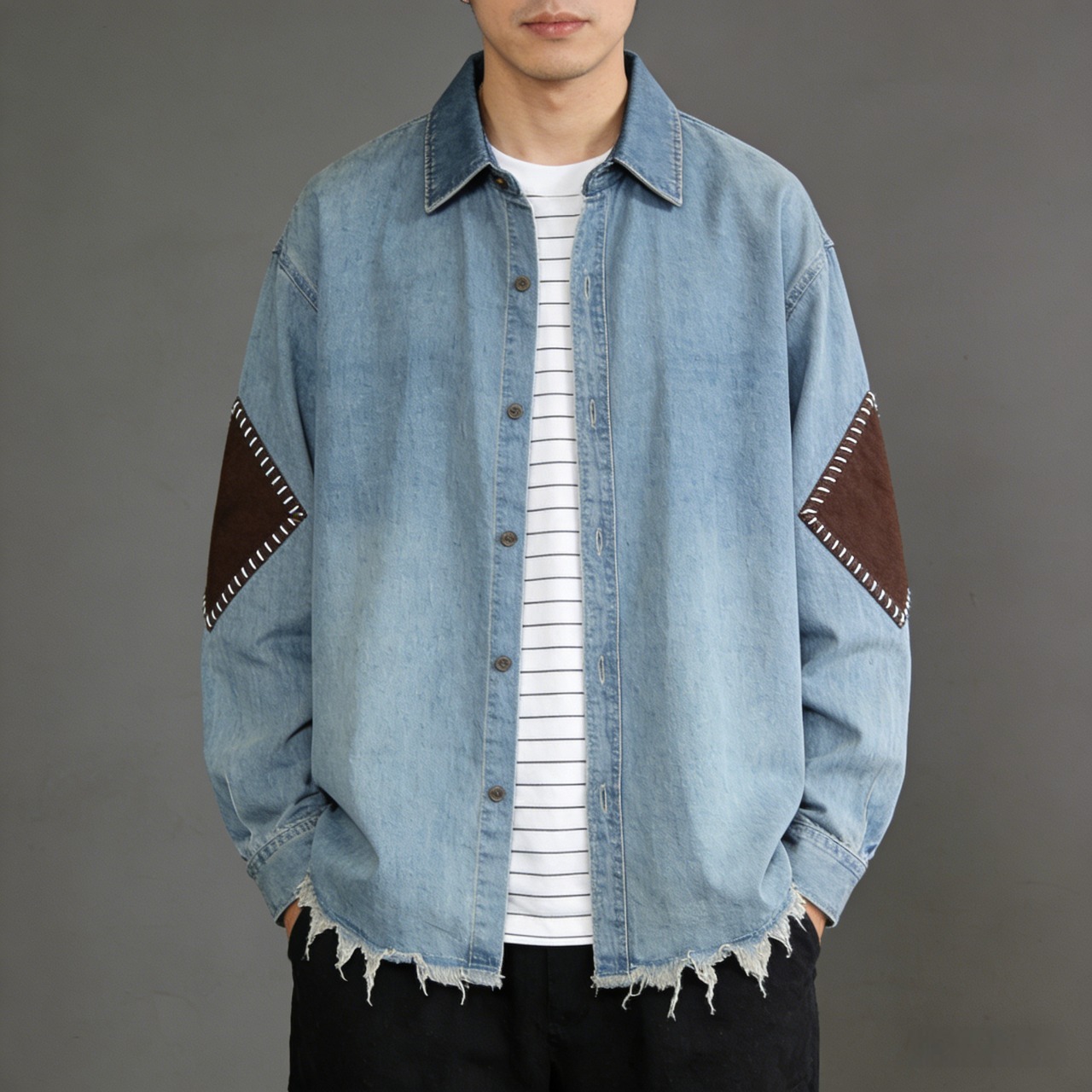
Lightweight coats, such as linen blazers, silk windbreakers, and thin cotton trench coats, are characterized by their soft texture and excellent drape. For these coats, ultra-thin badges are the ideal choice. A thick badge would create an unsightly bulge, disrupt the natural flow of the fabric, and even cause discomfort when worn against the skin. Ultra-thin badges, on the other hand, integrate seamlessly with the lightweight fabric, maintaining the coat’s sleek and elegant appearance. For example, a high-end fashion brand can use ultra-thin heat transfer badges to print its logo on a silk windbreaker, adding a touch of sophistication without compromising the garment’s lightweight feel.
-
Regular-thickness badges for medium-weight coats
-
Medium-weight coats, including canvas jackets, denim coats, wool blends, and casual parkas, are the most common type of outerwear in daily life. These coats require badges that can withstand regular wear and tear while complementing the fabric’s texture. Regular-thickness badges are perfectly suited for this purpose. Their moderate thickness ensures that they adhere firmly to the coat, whether attached by sewing, iron-on, or adhesive methods. For instance, a denim jacket brand can use regular-thickness woven badges to display its brand name on the chest or sleeve; the badge’s texture will harmonize with the ruggedness of the denim, creating a cohesive and stylish look. Additionally, regular-thickness badges are flexible enough to move with the fabric, preventing cracking or detachment during daily activities.
-
Heavy-duty badges for heavy coats
-
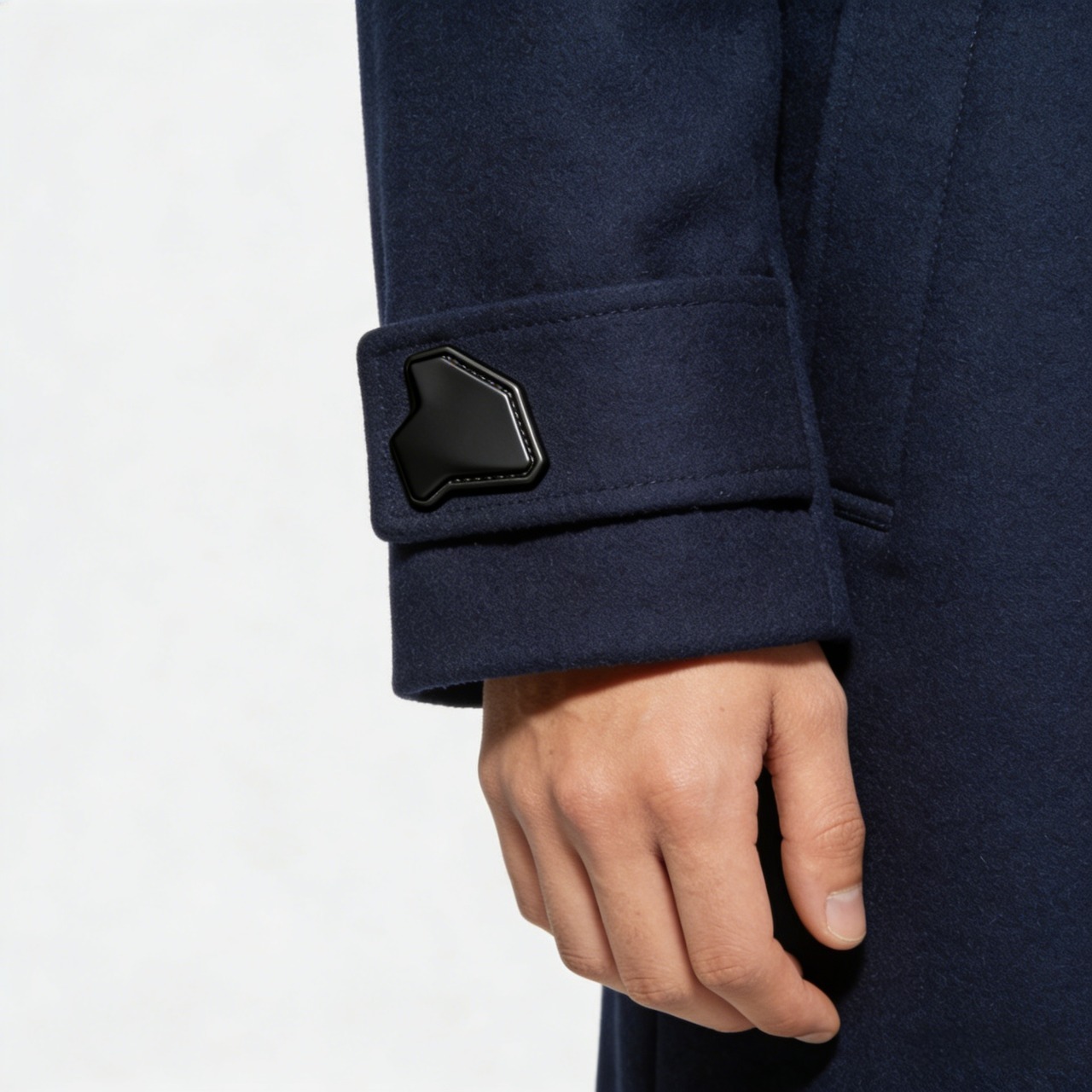
Heavy coats, such as thick wool overcoats, leather jackets, outdoor expedition parkas, and workwear coats, are designed for warmth, durability, and functionality. These coats demand badges that can match their robust nature. Heavy-duty badges are engineered to withstand harsh environments, including extreme temperatures, rain, and friction. For example, a brand specializing in outdoor gear can attach heavy-duty metal badges to its expedition parkas; the badges will not only resist corrosion and deformation but also enhance the coat’s rugged and professional image. Similarly, a leather jacket manufacturer can use thick 3D embroidery badges to add a bold, personalized touch to the garment, as the badge’s thickness will complement the leather’s substantial texture without looking out of place.
Core Benefits of Proper Thickness Matching
The importance of thickness matching cannot be overstated, as it brings three key benefits to both consumers and brands:
-
Enhanced wearing comfort: A badge that matches the coat’s thickness will not cause irritation or discomfort, even during prolonged wear. There will be no bulky edges rubbing against the skin, and the coat will maintain its natural shape and drape.
-
Improved durability: Properly matched badges are less likely to detach or deform. For example, a heavy-duty badge on a leather coat will not peel off easily due to friction, while an ultra-thin badge on a silk coat will not tear when the fabric is stretched.
-
Elevated visual appeal: Thickness matching ensures that the badge and the coat form a cohesive aesthetic unit. The badge will look like an integral part of the garment, rather than an afterthought, thereby enhancing the overall design quality of the coat.
Comprehensive Customization: Tailoring Badges to Meet Diverse Needs
In addition to thickness matching, customization is another critical factor that drives the popularity of coat badges. In a market where personalization and brand differentiation are highly valued, the ability to customize badges in terms of colors, materials, and designs allows businesses to create unique products that resonate with their target audience. Modern badge manufacturers offer a full range of customization options, catering to the diverse needs of brands, enterprises, and individual consumers.
Color Customization: Aligning with Brand Identity and Design Concepts
Color is one of the most powerful tools for conveying brand identity and visual appeal. Coat badge color customization is not limited to simple color selection; it involves precise color matching and the application of special color effects to meet specific design requirements.
-
Pantone color matching for brand consistency
-
For businesses and brands, maintaining consistent color standards is essential for building brand recognition. Reputable badge manufacturers offer Pantone color matching services, which allow clients to select colors that align perfectly with their brand’s official color palette. Whether it is a specific shade of corporate blue, a vibrant brand red, or a subtle neutral tone, Pantone color matching ensures that the badge’s color is consistent across all batches of products. This is particularly important for uniform manufacturers, as it ensures that all badges on employee coats are identical, reinforcing the company’s professional image.
-
Multi-color printing and embroidery for complex designs
-
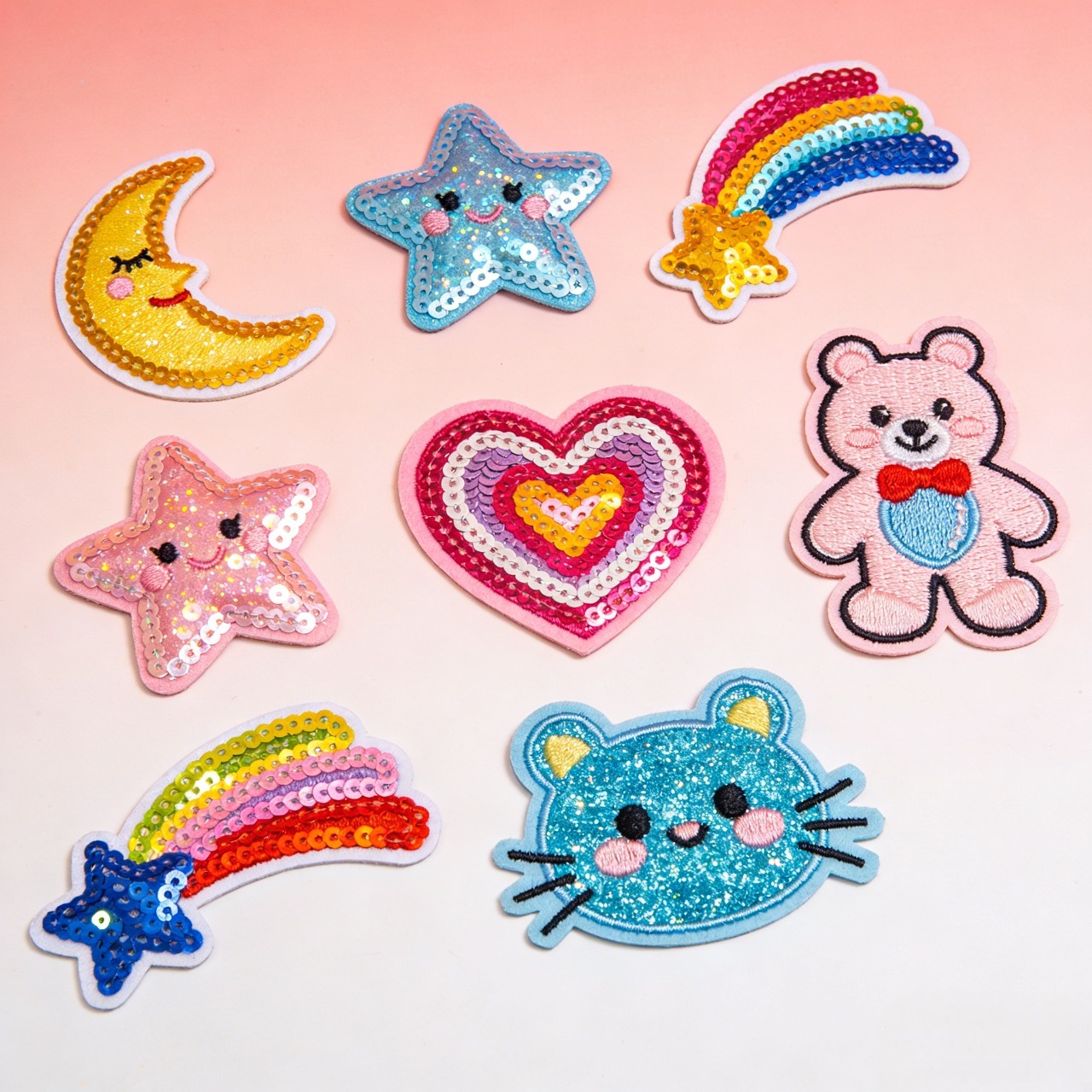
For badges with intricate patterns, such as logos with multiple colors, cartoon characters, or artistic motifs, multi-color customization is available. Advanced printing techniques, such as digital direct-to-fabric printing and screen printing, can reproduce complex color schemes with high accuracy. Embroidery badges, on the other hand, use multiple threads of different colors to create vivid, textured designs. For example, a children’s coat brand can customize badges featuring colorful cartoon characters, with each color precisely matched to the original design, making the badges more attractive to young consumers.
-
Special color effects for enhanced visual impact
-
To meet the demand for unique and eye-catching badges, manufacturers offer a range of special color effects, including metallic, fluorescent, and gradient colors. Metallic colors, such as gold, silver, and bronze, add a touch of luxury and sophistication to the badge, making them ideal for high-end coat brands. Fluorescent colors are perfect for outdoor and safety coats, as they enhance visibility in low-light conditions. Gradient colors, which transition smoothly from one shade to another, create a modern and artistic look, suitable for fashion-forward brands seeking to make a statement.
Material Customization: Balancing Texture, Durability, and Sustainability
The choice of badge material directly affects its texture, durability, and environmental impact. Modern coat badge materials can be divided into three main categories, each with its own unique characteristics, allowing clients to choose based on their specific needs.
-
Textile-based materials: Soft, breathable, and comfortable
-
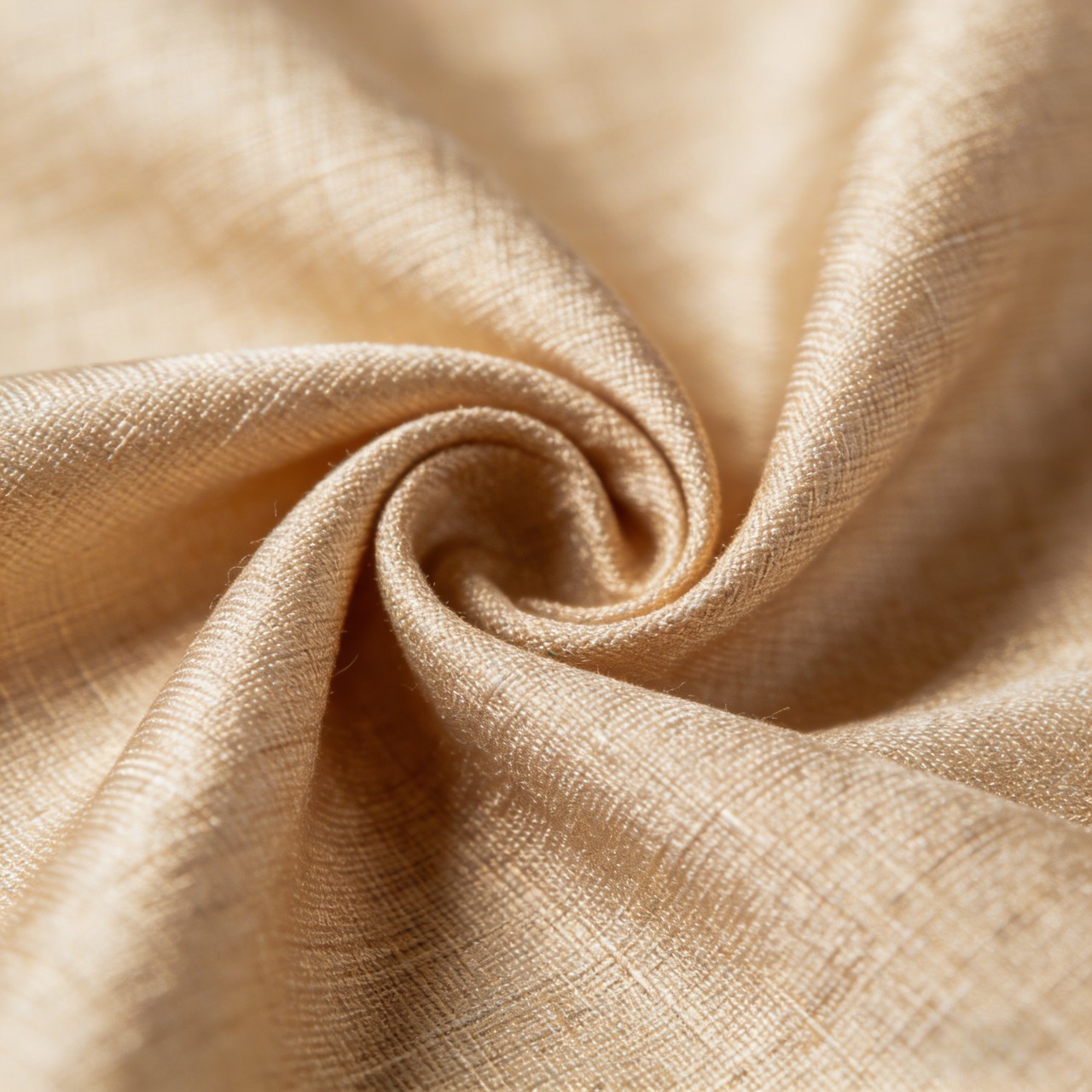
Textile materials are the most traditional and widely used option for coat badges, including embroidery cloth, felt, woven fabric, and cotton twill. These materials are soft, breathable, and comfortable against the skin, making them ideal for coats that are worn close to the body. Embroidery badges, made from high-quality threads, have a rich, textured appearance and are highly durable. Felt badges are soft and lightweight, suitable for casual and children’s coats. Woven fabric badges, with their intricate patterns and clear details, are perfect for displaying brand logos and text with precision.
-
Hard materials: Durable, high-end, and impactful
-
Hard materials, such as metal, PVC, enamel, and acrylic, are chosen for their durability and high-end appearance. Metal badges, including brass, stainless steel, and aluminum, are corrosion-resistant and have a sleek, professional look, making them ideal for corporate uniforms, military coats, and outdoor gear. PVC badges are waterproof, flexible, and cost-effective, suitable for casual and sportswear coats. Enamel badges, with their smooth, glossy surface and vibrant colors, are popular among fashion brands and collectors, as they combine aesthetic appeal with long-lasting durability.
-
Eco-friendly materials: Sustainable and responsible
-
With the growing emphasis on environmental sustainability, more and more clients are opting for eco-friendly badge materials. These include recycled fabrics, biodegradable PVC, organic cotton, and bamboo fiber. Recycled fabric badges are made from post-consumer plastic bottles or old textiles, reducing waste and carbon footprint. Biodegradable PVC badges break down naturally over time, minimizing environmental impact. Eco-friendly materials not only meet the sustainability goals of brands but also resonate with environmentally conscious consumers, enhancing brand reputation.
Design Customization: From Simple Logos to Complex 3D Motifs
Design customization is the most creative aspect of coat badge production, allowing clients to transform their ideas into tangible, unique badges. Manufacturers offer a wide range of design options, catering to both simple and complex requirements.
-
Logo and text customization: Strengthening brand identity
-
For most businesses, the primary purpose of coat badges is to display their brand logo or name. Design customization for logos and text includes options for font selection, size adjustment, and layout design. Whether it is a minimalist modern logo or a classic serif font, manufacturers can reproduce the design with high accuracy. Additionally, clients can choose to add special elements, such as borders, shadows, or 3D effects, to make the logo stand out. For example, a corporate uniform supplier can customize badges with the company logo and employee names, creating a professional and personalized look for the team.
-
Pattern customization: Catering to diverse aesthetic preferences
-
Pattern customization allows clients to incorporate a wide range of motifs into their badges, including geometric shapes, floral patterns, cartoon characters, and artistic illustrations. This is particularly popular among fashion brands, children’s wear manufacturers, and niche apparel designers. For instance, a bohemian-style coat brand can customize badges with intricate floral patterns, while a streetwear brand can opt for bold geometric designs. Manufacturers use advanced digital design tools to translate clients’ ideas into precise badge patterns, ensuring that every detail is captured accurately.
-
Shape and 3D customization: Adding depth and uniqueness
-
In addition to flat designs, manufacturers offer shape and 3D customization options to create badges with unique visual and tactile appeal. Shape customization allows clients to move beyond traditional circular or rectangular badges and choose irregular shapes that align with their brand image, such as shield-shaped, star-shaped, or brand-specific silhouettes. 3D customization, including embossed, debossed, and 3D embroidery techniques, adds depth and texture to the badge. For example, a sports brand can customize 3D embossed badges featuring its iconic mascot, while a luxury coat brand can use debossed metal badges to create a subtle, elegant look.
Streamlined Customization Process: One-Stop Service for All Clients
To make the customization process seamless and efficient, leading badge manufacturers offer one-stop services that cover every step from design consultation to sample production and bulk delivery. The process typically includes four stages:
-
Design consultation: Clients discuss their requirements, including thickness, color, material, and design, with the manufacturer’s design team. The team provides professional advice and suggestions to optimize the design for practical production.
-
Sample production: The manufacturer creates a physical sample based on the finalized design. Clients can review the sample and request adjustments to ensure that it meets their expectations.
-
Bulk production: Once the sample is approved, the manufacturer proceeds with bulk production, adhering to strict quality control standards to ensure consistency across all products.
-
Delivery and after-sales service: The finished badges are delivered to the client on schedule, and the manufacturer provides after-sales support, such as replacement for defective products, to ensure customer satisfaction.
Furthermore, manufacturers offer flexible minimum order quantities (MOQ), catering to both small businesses and large enterprises. Small brands or individual consumers can order a small batch of customized badges, while large corporations can place bulk orders at competitive prices.
Practical Application Scenarios and Core Customer Benefits
The combination of scientific thickness matching and comprehensive customization makes coat badges suitable for a wide range of application scenarios, delivering tangible benefits to both clients and end consumers.
Key Application Scenarios
-
Brand apparel customization
-
Fashion brands can use customized badges to enhance their product differentiation and brand identity. By matching the badge thickness to the coat fabric and customizing the design to align with the brand’s aesthetic, badges can become a signature element of the product line. For example, a luxury wool coat brand can use thin, elegant woven badges to display its logo, while a streetwear brand can opt for bold, 3D embroidery badges to attract young consumers.
-
Corporate uniform customization
-
Corporate uniforms are a reflection of a company’s professional image. Customized badges with the company logo, employee names, and department information can help build a cohesive team identity. By choosing durable materials and matching the badge thickness to the uniform fabric, businesses can ensure that the badges remain intact and professional-looking even after repeated washing and wear.
-
Personalized coat decoration
-
For individual consumers, customized badges offer a way to express their personal style. Whether it is a badge featuring a favorite quote, a cartoon character, or a unique design, individuals can attach the badge to their coat to create a one-of-a-kind look. Ultra-thin badges are perfect for lightweight coats, while heavy-duty badges can add a bold touch to leather jackets or parkas.
Core Benefits for Clients and Consumers
-
For brands and businesses: Customized, thickness-matched badges enhance product differentiation, strengthen brand identity, and improve customer loyalty. The flexibility of customization allows businesses to cater to diverse market segments, from high-end fashion to casual wear.
-
For consumers: Well-matched badges improve the wearing comfort and aesthetic appeal of the coat, while personalized designs allow consumers to express their unique style and preferences. Durable badges ensure long-lasting use, providing value for money.
Conclusion
Coat badges are far more than just decorative accessories; they are a fusion of functionality, aesthetics, and personal expression. The scientific matching of badge thickness to coat fabric weight is the foundation of a successful badge application, ensuring comfort, durability, and visual harmony. Meanwhile, comprehensive customization in terms of colors, materials, and designs allows clients to create badges that perfectly align with their brand identity and design concepts.
As the demand for personalized and high-quality apparel continues to grow, the importance of coat badges will only increase. By choosing a reputable manufacturer that offers both professional thickness matching guidance and flexible customization options, businesses and consumers can unlock the full potential of coat badges, transforming ordinary coats into unique, meaningful garments that stand out in the market. Whether you are a fashion brand looking to enhance your product line, a corporation seeking to build a professional team image, or an individual pursuing personalized style, the right coat badge solution is within reach.
How to Make Your Sports Jacket Stand Out with Silicone Patches
How to Use a Heat Press for DTF Transfers




SEND MESSAGE