

From Tradition to Modernity: A Holistic Examination of Jacket Badge Significance
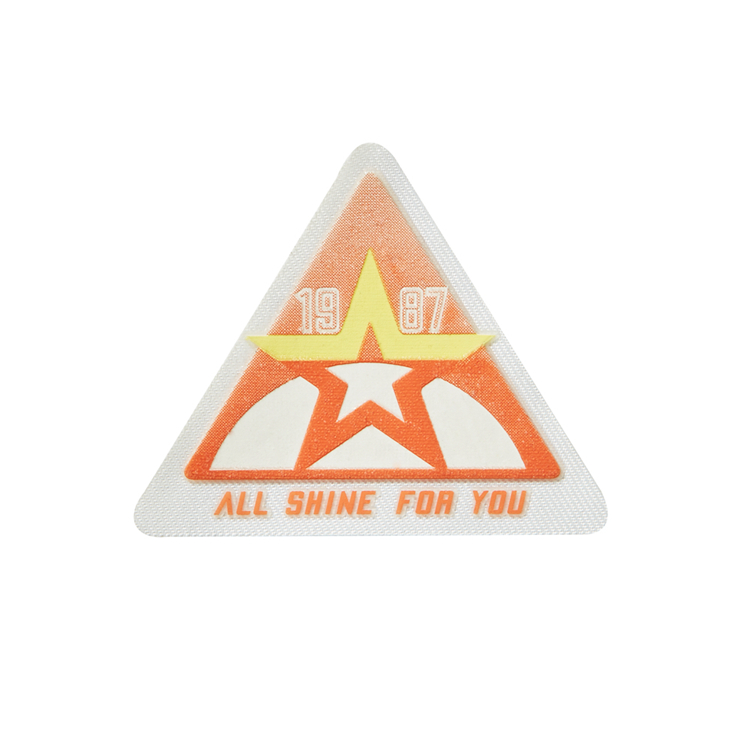
Unleash your creativity with our selection of badges for jackets. Choose from various designs to customize your apparel and showcase your unique style.
Badges for jackets are far more than decorative elements; they serve as symbols of identity, achievement, and affiliation across industries, cultures, and subcultures. From military uniforms to corporate wear, motorcycle jackets to high-fashion runways, badges convey meaning through design, material, and placement. This section explores the multifaceted role of badges, their historical roots, modern applications, and the craftsmanship behind their creation, supported by insights from industry experts and verified data sources.
Historical Context: Badges as Symbols of Identity
The use of badges on jackets traces back centuries, rooted in military and heraldic traditions. Early military units in Europe adopted embroidered insignia in the 17th century to distinguish ranks and regiments. By World War I, badges became standardized, with the U.S. Department of Defense noting that "unit patches and rank insignia were critical for battlefield identification and morale" (U.S. Army Center of Military History, 2020). Similarly, fraternal organizations and labor unions adopted badges to signify membership and solidarity. These historical precedents established badges as enduring markers of belonging and expertise.
Types of Badges and Their Modern Applications
1. Military and Government Badges: Precision and Honor
Military badges remain among the most rigorously regulated. The U.S. Department of Defense outlines strict guidelines for the placement and design of badges, including the iconic "Combat Infantryman Badge" and "Aviator Badges," which denote specialized training and valor (U.S. DoD, 2023). These badges are typically crafted from durable materials like embroidered thread, metal alloys, or embroidered PVC to withstand harsh conditions. NATO forces similarly use badges to denote multinational collaboration, with each alliance member adhering to standardized design protocols.
2. Corporate and Branding Badges: Building Professional Identity
In corporate settings, badges on jackets serve as mobile advertisements and team identifiers. A 2022 report by Grand View Research valued the global embroidered patches market at $2.1 billion, driven by demand from hospitality, healthcare, and logistics sectors. Companies like Amazon and FedEx incorporate embroidered logos and employee names into uniforms, enhancing brand visibility and customer trust. Custom badges also feature in safety apparel, with reflective materials ensuring compliance with occupational safety standards.
3. Fashion and Subcultural Badges: Rebellion and Self-Expression
The punk movement of the 1970s popularized DIY badges on jackets, using safety pins and hand-stitched designs to challenge societal norms. Today, fashion brands like Gucci and Balenciaga elevate badges to luxury status, incorporating metallic embroidery and crystal embellishments. Meanwhile, motorcycle clubs, such as the Hells Angels, use leather jackets adorned with club-specific patches to signify loyalty and hierarchy—a tradition documented in the Journal of Contemporary Ethnography (2021), which highlights badges as "visual languages of subcultural cohesion."
Design and Craftsmanship: Materials and Techniques
Creating a badge involves balancing aesthetics with functionality. Common materials include:
- Embroidery : Thread counts and stitch density determine detail and durability.
- PVC and Chenille : Raised plastic or woven fabric textures add dimensionality.
- Metal and Woven Labels : Used for minimalist, industrial designs.
Advanced technologies like computer-aided design (CAD) software enable precise customization, while digital printing allows for photorealistic imagery on synthetic fabrics. A 2023 survey by the Embroidery Trade Association found that 68% of manufacturers now use laser-cutting tools to achieve intricate shapes and edges.
The Psychology Behind Badges: Why They Matter
Badges leverage psychological principles of social identity and recognition. According to Dr. Karen Pine, a professor of psychology at the University of Hertfordshire, "Wearing a badge triggers both self-perception and external validation—people feel empowered by the roles their badges represent, while observers assign credibility based on visual cues." This explains why badges on medical scrubs, police uniforms, or airline pilot jackets are trusted as symbols of authority and competence.
Sustainability and Innovation in Badge Production
As environmental concerns grow, the industry is shifting toward eco-friendly practices. Recycled polyester threads, water-based dyes, and biodegradable PVC alternatives are gaining traction. Brands like Patagonia now use recycled nylon badges to align with their sustainability missions. Additionally, 3D printing is enabling on-demand production, reducing waste from overstocking. The Textile Exchange reported a 23% increase in sustainable badge orders between 2021 and 2023, signaling a long-term trend.
Choosing the Right Badge: A Buyer’s Guide
Selecting a badge requires consideration of:
- Purpose : Is it for identification, decoration, or safety?
- Material : Embroidery suits formal uniforms, while vinyl works for casual wear.
- Customization : Partner with designers to ensure alignment with brand guidelines or organizational standards.
For high-visibility needs, opt for reflective or luminescent materials. The International Safety Equipment Association (ISEA) recommends ANSI-certified badges for workplaces requiring compliance with visibility standards.
Conclusion: Badges as Timeless Communicators
Badges for jackets are a universal language, transcending borders and industries. Their evolution from medieval heraldry to smart textiles reflects humanity’s enduring need to signal affiliation and achievement. Whether denoting a soldier’s valor, a nurse’s expertise, or a biker’s allegiance, badges remain powerful artifacts of culture and craftsmanship. As technology and sustainability reshape their production, their core purpose—connecting individuals to communities—remains unchanged.
Decoding Jacket Name Patches: Symbolism, Craftsmanship, and Their Modern Applications
A Timeless Tradition of Patched Clothing and Its Revival in Contemporary Fashion



