The Art of Badge Application: Elevating Your Style with Embroidered Patches
Shop our selection of badge adhesive that guarantees strong and lasting bonds. Ideal for personal and professional use, ensuring your badges stay secure.
Embroidered badges and patches have become a global phenomenon, transforming everyday garments into personalized works of art. From t-shirts to jackets, bags to shoes, these versatile accessories allow you to express your creativity and individuality. But how do you ensure that your badge stays securely attached while maintaining its aesthetic appeal? In this blog, we’ll dive deeper into the fascinating world of badge application methods, explore their pros and cons, and provide insights on choosing the best option for your needs.
1. Heat Seal Machine/Iron-On Application: Quick and Convenient
One of the most popular ways to attach embroidered patches is through heat sealing or iron-on application. This method involves coating the back of the badge with a heat-activated adhesive, which bonds the patch to the fabric when exposed to heat.
Why Choose Heat Sealing?
- Ease of Use: Simply place the patch on the garment and apply heat using an iron or heat press machine.
- No Sewing Required: Perfect for those who lack sewing skills or want a quick fix.
- Clean Finish: No visible seams or harsh lines around the design.
Limitations to Consider
While convenient, heat-sealed patches may not be suitable for all fabrics. Nylon or coated materials can resist adhesion, and frequent washing or heavy use might cause the patch to peel off over time. Additionally, specialized equipment may be required for certain items like caps.
Despite these drawbacks, heat seal application remains a go-to choice for temporary branding, promotional events, or lightweight garments where durability isn’t a top priority.
2. Sewing: Timeless Durability Meets Creative Expression
Sewing has been the gold standard for attaching patches since embroidery first gained popularity. Whether done by hand or professionally stitched by a seamstress, this method ensures unparalleled longevity.
Advantages of Sewing
- Unmatched Durability: A sewn-on patch will withstand repeated washes and daily wear without losing its charm.
- Customization Options: Experiment with contrasting threads or invisible stitching techniques to enhance the overall look.
- Perfect for Small Quantities: Ideal for one-off projects or limited runs.
Challenges of Sewing
However, sewing isn’t without its challenges. It’s labor-intensive, especially for large orders, and requires skill or professional assistance. Moreover, some people might find the traditional appearance less appealing compared to modern alternatives.
For those seeking permanence and reliability, sewing remains unmatched in quality and performance.
3. Sew and Seal: The Best of Both Worlds
Combining heat sealing with sewing creates a hybrid approach that maximizes both durability and aesthetics. By heat-sealing the patch first, you lock in its shape and structure before reinforcing it with stitches.
Benefits of Sew and Seal
- Extended Lifespan: The dual-layer protection ensures the badge stays intact even after excessive washing or rough handling.
- Professional Look: The combination of heat sealing and stitching adds depth and texture to the final product.
Drawbacks
This method is undoubtedly more time-consuming and may not be practical for bulk orders. However, if you’re looking for a premium finish, sew and seal is worth the extra effort.
4. Applique Embroidery: Precision Meets Professionalism
Applique embroidery takes patch application to the next level by integrating the badge directly into the fabric using advanced machinery. This technique is widely used in sports jerseys and performance wear due to its seamless integration and high-quality results.
Why Applique Stands Out
- Professional Finish: The badge appears as though it’s part of the original garment, creating a sleek and polished look.
- Durability: Like sewing, applique embroidery offers long-lasting results that can endure rigorous activity.
Considerations
The primary downside is the need for specialized embroidery machines, making it inaccessible for DIY enthusiasts. However, businesses and designers seeking a refined outcome often opt for this method.
5. Glue: Temporary Solutions for Flexible Needs
For those seeking a non-permanent solution, glue-based applications are a fantastic choice. Woven badges with peel-off sticker backing offer complete flexibility, allowing users to apply and remove them at will.
When to Use Glue
- Events and Promotions: Uniformity is key during corporate events or marketing campaigns, and adhesive badges make it easy to achieve.
- DIY Projects: Empower customers to personalize their own garments with minimal effort.
Limitations
Glued badges are inherently temporary and lack the sturdiness of other methods. They’re best suited for short-term purposes rather than long-lasting applications.
Choosing the Right Method for Your Needs
With so many options available, selecting the right badge application method depends on several factors:
- Purpose: Is the badge intended for long-term use or a temporary promotion?
- Fabric Type: Some materials work better with specific techniques (e.g., avoid heat sealing on nylon).
- Budget and Time Constraints: Bulk orders may benefit from cost-effective solutions like heat sealing, while smaller quantities could justify the investment in sewing or applique embroidery.
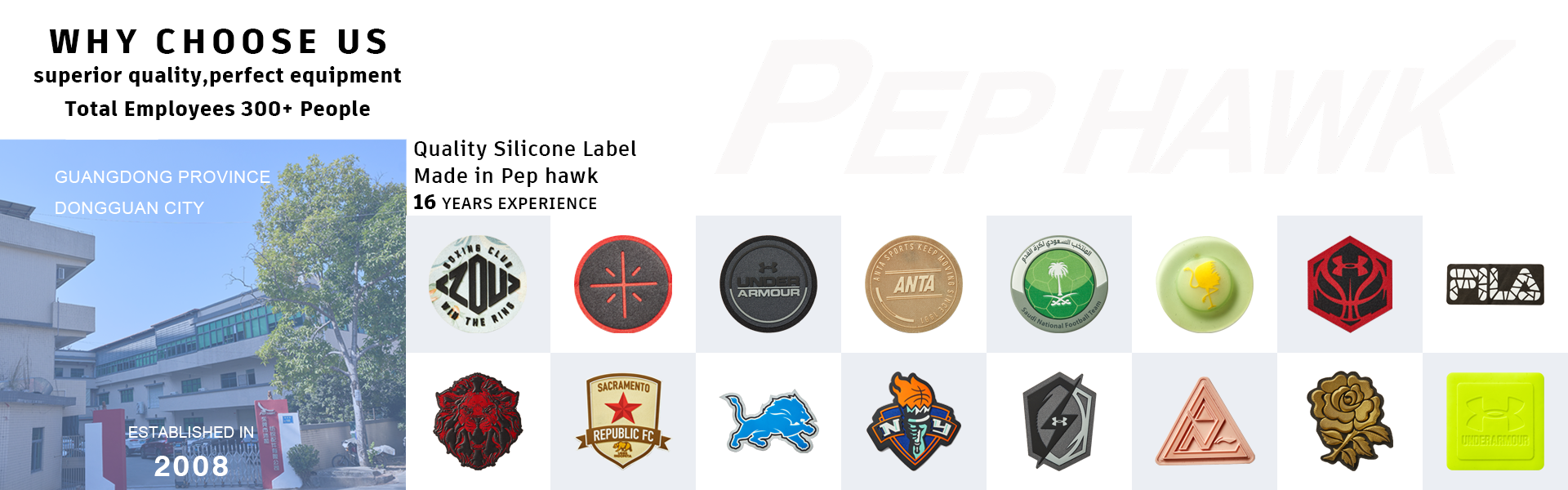
When confronted with the task of producing intricate design drafts of the highest quality, PEPHAWK is here to provide the perfect solution. With over 16 years of industry experience and our esteemed general manager boasting 31 years of expertise in the silicone industry, we are the ultimate choice for tackling your challenging logo design projects. Select PEPHAWK for our unmatched proficiency and rest assured in the impeccable outcomes we consistently deliver.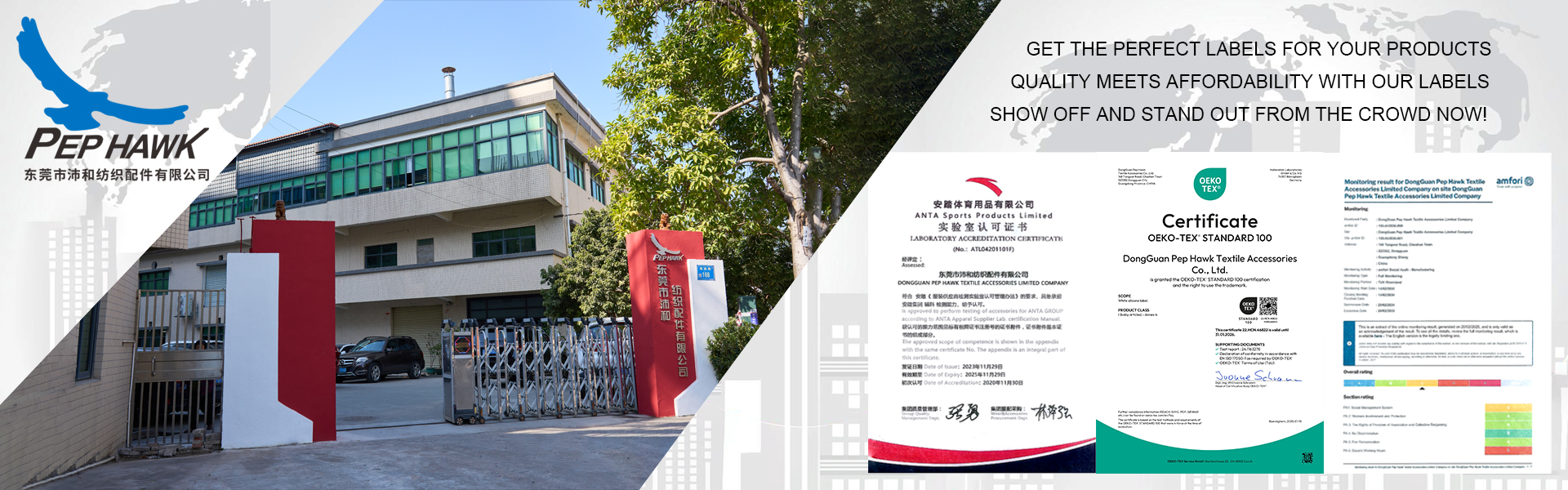
Custom Patches: The Perfect Blend of Embroidery and Screen Printing
The Symbolism and Impact of Custom Baseball Patches in Youth Leagues