Can a Backpack with Patches Truly Elevate Your Daily Style and Durability?
Table of Contents
Backpack with patches: A 15-year veteran reveals the full crafting process, shares pro tips, and compares patch types to help you pick the perfect bag.
The Step-by-Step Craftsmanship Behind a Premium Backpack with Patches
Creating a high-quality backpack with patches is not as simple as just slapping a sticker on a piece of fabric. It requires a meticulous, multi-step process to ensure both aesthetics and longevity. Here is how we actually build them on the production line.
Step 1: Base Material Selection and Structural Stitching
The foundation of any great bag is its base material. For a backpack with patches, we typically select heavy-duty fabrics like 1000D Cordura nylon, waxed canvas, or thick polyester. The main body panels are cut and stitched together first. We reinforce the bottom panel and the shoulder strap attachment points with bar-tack stitching. This ensures the bag can handle the extra weight and tension that thick patches might introduce over time.
Step 2: Patch Design and Production
Before a patch ever touches the bag, it must be created. This starts with "digitizing," where a designer converts your artwork into a digital stitch file for embroidery machines. We select the backing material (usually twill or felt) and the threads. The machines then stitch the design, followed by cutting it out. A crucial sub-step here is adding a "merrowed border"—a thick, overlocked stitch around the edge of the patch to prevent fraying and give it a clean, raised finish.
Step 3: Precision Layout and Attachment
This is where the magic happens. We lay out the patches on the pre-assembled bag to check the visual balance. Once approved, the attachment phase begins. While some cheap bags use iron-on adhesives, a true premium backpack with patches relies on heavy-duty sewing. We use specialized walking-foot sewing machines to stitch directly through the patch, the bag's outer layer, and sometimes a backing stabilizer. This locks the patch in place permanently, ensuring it won't peel off after a few washes.
Pro Tips and Common Mistakes to Avoid
Over the years, I’ve reviewed thousands of designs. Here is some practical advice for consumers looking to buy or customize their own backpack with patches.
The Do's (Best Practices)
- Do balance the layout: Treat your bag like a canvas. If you have a large, detailed patch on the front center, balance it with smaller, simpler patches on the sides or straps.
- Do consider the fabric weight: If your bag is made of thin nylon, use lightweight woven patches. Heavy embroidered or PVC patches will cause thin fabric to sag and pucker.
- Do opt for sewn-on or Velcro-backed patches: For longevity, sewing is king. If you like to change your look, ensure the patches have a Velcro (hook and loop) backing stitched onto a corresponding Velcro panel on the bag.
The Don'ts (Common Pitfalls)
- Don't overcrowd the design: Leaving "negative space" (empty fabric) is just as important as the patches themselves. A bag covered edge-to-edge with patches looks messy and loses its visual impact.
- Don't rely solely on iron-on adhesives for daily use: The heat and friction of daily commuting, plus occasional rain or washing, will cause cheap iron-on patches to peel at the corners within weeks.
- Don't ignore the border quality: A patch with a poorly finished, fraying edge will make the entire backpack look cheap, regardless of how good the central design is.

Backpack with Patches vs. Standard Competitors
To help you make an informed decision, let’s compare a custom or artisan backpack with patches against two common market competitors: the standard printed backpack (where the design is directly printed on the fabric) and the plain minimalist backpack.
| Feature / Dimension | Backpack with Patches | Standard Printed Backpack | Plain Minimalist Backpack |
|---|---|---|---|
| Aesthetics & Texture | High. Offers a 3D tactile feel, rich colors, and a vintage/artisan vibe. | Medium. Flat appearance. Colors can fade, and it lacks physical texture. | Low/Medium. Clean and sleek, but lacks unique visual character. |
| Design Longevity | Excellent. Stitched threads resist fading. Patches can be replaced if damaged. | Poor to Medium. Screen prints crack and peel over time with friction and washing. | N/A (Relies entirely on the base fabric's durability). |
| Repairability | High. If a patch is damaged, it can be unstitched and replaced easily. | Low. If the print cracks, the entire bag panel usually needs replacing. | High. Simple construction makes general tear repairs easier. |
| Personal Expression | Extremely High. Highly customizable; tells a story through collected or custom art. | Low to Medium. Limited to the manufacturer's pre-set graphic designs. | Low. Relies on the user adding external pins or accessories. |
| Average Cost | Medium to High. Due to the multi-step manufacturing and material costs. | Low to Medium. Mass printing is highly cost-effective at scale. | Low to Medium. Fewer materials and simpler assembly keep costs down. |
Choosing the Right Patch Type for Your Needs
Not all patches are created equal. When selecting your backpack with patches, the type of patch dictates the final look and feel. Here is a breakdown of the most common materials we use in the industry.
| Patch Type | Detail Level & Texture | Durability & Weather Resistance | Best Use Case for Backpacks |
|---|---|---|---|
| Embroidered | Medium detail. Thick, raised, and highly tactile texture. Classic look. | High. Threads are durable, but the twill backing can absorb water if not treated. | Classic logos, bold text, and traditional vintage designs. |
| Woven | Extremely high detail. Tighter weave allows for fine lines and small text. Flat texture. | Very High. Thinner and lighter than embroidered; dries quickly and resists snagging. | Intricate artwork, photographs, or designs with tiny text and gradients. |
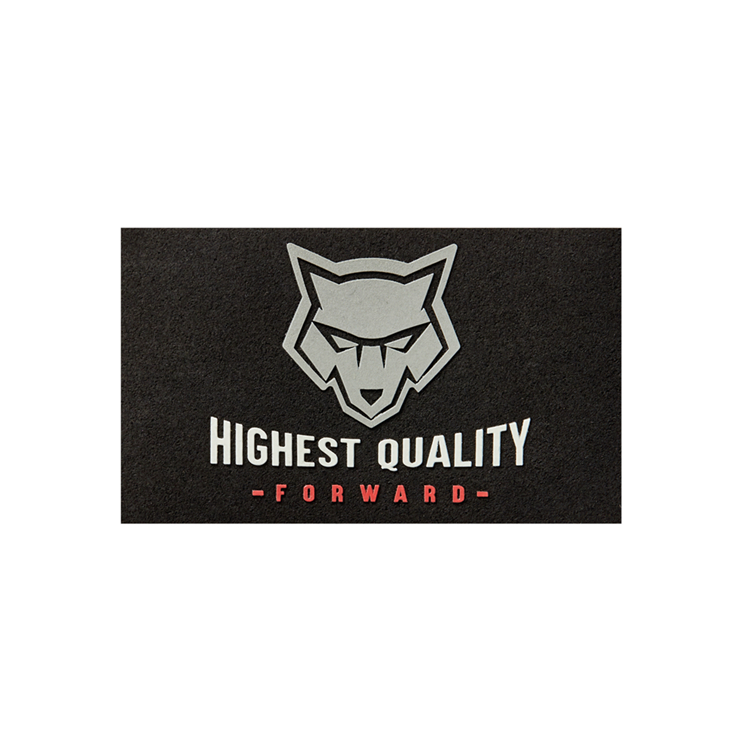
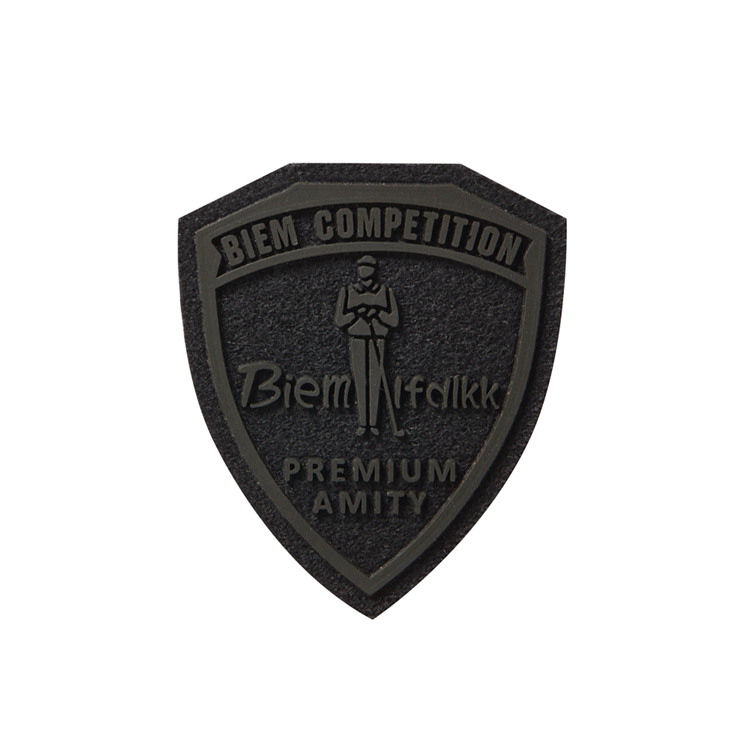
| PVC / Rubber | High detail. Smooth, rubbery, and slightly flexible 3D texture. | Exceptional. 100% waterproof, easy to clean, and immune to fraying or fading. | Outdoor gear, tactical bags, or bags exposed to heavy rain and mud. |
| Chenille | Low detail. Fuzzy, towel-like texture. Very thick and soft. | Medium. The fuzzy loops can snag on branches or rough surfaces. Not ideal for wet conditions. | Varsity styles, retro aesthetics, and large, simple lettering on canvas bags. |
Maintenance and Care for Your Patched Bag
As a maker, I always tell my customers: a backpack with patches requires slightly different care than a plain bag. To keep it looking sharp, avoid machine washing the bag if it has heavy embroidered or chenille patches, as the agitation can loosen the stitching. Instead, use a soft brush and mild soapy water to spot-clean the fabric around the patches. If a stitched patch does come loose, don't panic. Simply take it to a local tailor or use a heavy-duty needle and thread to re-secure it. Avoid using superglue, as it can stiffen the fabric and cause it to crack.
Final Thoughts
So, can a backpack with patches truly elevate your daily style and durability? Based on my years of manufacturing experience, the answer is a resounding yes—provided you choose quality craftsmanship over mass-produced gimmicks. A well-made patched bag offers a unique blend of rugged durability and deep personal expression that a standard printed bag simply cannot match. It ages gracefully, tells a story, and becomes a true companion for your daily adventures.
Frequently Asked Questions (FAQ)
Are the patches on a high-quality backpack durable enough for everyday use?
Yes. When patches are properly sewn onto a heavy-duty base fabric using industrial walking-foot machines, they are incredibly durable. They will easily withstand daily commuting, weather exposure, and regular wear and tear without peeling or falling off.
Can I add patches to an existing plain backpack I already own?
Absolutely. You can buy iron-on or sew-on patches separately. However, for the best durability on an existing bag, we highly recommend sewing them on by hand or by a professional, rather than relying solely on the heat-activated adhesive backing.
Which type of patch is the most weather-resistant for outdoor backpacks?
PVC (rubber) patches are the most weather-resistant. They are completely waterproof, easy to wipe clean, and will not absorb moisture or fray, making them the perfect choice for hiking, tactical, or outdoor backpacks.
Does adding multiple patches weaken the fabric of the backpack?
If the base bag is made of flimsy material, adding heavy patches can cause sagging. However, if the backpack is constructed from robust materials like 1000D nylon or heavy canvas, the fabric will easily support the weight and tension of multiple stitched patches without compromising the bag's structural integrity.
Are Large Custom Iron On Patches the Most Practical Solution?
Related Article