

How Can You Design and Produce the Perfect Backpack Patches Iron On for Your Brand?
Table of Contents
Customizing team backpacks is a powerful way to foster unity, showcase brand identity, and equip your team with functional gear. A versatile, durable, and highly customizable solution: backpack patches iron on.
Mainstream Categories of Custom Backpack Patches
Choosing the right material is the first step in ensuring your backpack patches iron on align with both your aesthetic goals and functional requirements. Here is a categorized breakdown of the most popular patch types in the promotional products industry.
1. Embroidered Patches
The classic choice for traditional branding. Made by stitching threads onto a twill or felt backing, embroidered patches offer a timeless, textured look. They are highly durable and convey a sense of heritage and quality.
2. Silicone and PVC Patches
The modern favorite for outdoor and tactical gear. Silicone patches are soft, flexible, waterproof, and feature a stunning 3D effect. They are incredibly resistant to harsh weather conditions, making them the ultimate upgrade for adventure backpacks.
3. Woven Patches
Ideal for intricate designs. Woven patches use thinner threads than embroidered ones, allowing for highly detailed logos, small text, and complex color gradients without the "bumpy" texture of traditional embroidery.
4. Chenille Patches
Known for their fuzzy, raised texture, chenille patches are heavily associated with varsity jackets and retro streetwear. They add a tactile, vintage vibe to modern backpacks.
Dimension Comparison Table: Mainstream Patch Types
To help you make an informed decision, here is a structured comparison of these mainstream categories:
| Patch Type | Primary Material | Durability & Weather Resistance | 3D Effect & Texture | Best Backpack Application | Relative Cost |
|---|---|---|---|---|---|
| Embroidered | Polyester/Rayon thread on Twill | High durability, moderate water resistance | Moderate 3D, classic textured feel | Corporate swag, classic canvas backpacks | $$ (Medium) |
| Silicone/PVC | Eco-friendly Silicone or PVC | Extreme durability, 100% waterproof | High 3D, soft-touch, modern feel | Outdoor gear, tactical bags, travel packs | $ (Medium-High) |
| Woven | Fine polyester threads | High durability, low water resistance | Flat to low 3D, smooth and detailed | Tech startup gear, minimalist urban bags | $ (Low-Medium) |
| Chenille | Wool/Acrylic yarn blend | Moderate durability, not waterproof | Very high 3D, fuzzy, vintage feel | Streetwear, collegiate, lifestyle bags | $$ (Medium) |
Step-by-Step Guide: The Complete Production Process
Producing high-quality backpack patches iron on requires precision, expertise, and strict quality control. Here is the complete manufacturing workflow from concept to final product.
Step 1: Design & Artwork Optimization
The process begins with your logo. Designers must convert your brand assets into a vector format suitable for patch production. This involves simplifying overly complex designs, ensuring color separation, and determining the appropriate border (merrowed edge vs. hot-cut edge).
Step 2: Material Selection & Prototyping
Based on the design, the manufacturer selects the base materials (threads, silicone molds, or backing fabrics). A physical or digital prototype is created to check color accuracy (using Pantone codes) and dimensional proportions before mass production begins.
Step 3: Manufacturing & Crafting
- For Embroidered/Woven: Computerized multi-head embroidery machines stitch the design onto the base fabric with high tension and precision.
- For Silicone/PVC: Liquid silicone is injected into custom CNC-machined metal molds, then cured under specific temperatures to achieve the perfect 3D shape and soft-touch finish.
Step 4: Applying the Iron-On Backing
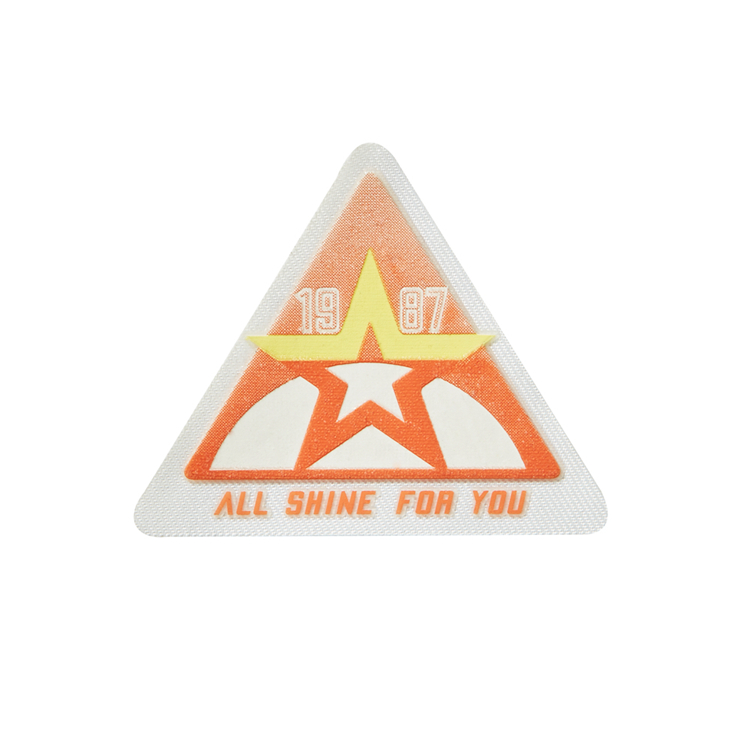
This is the crucial step that defines backpack patches iron on. A specialized, heat-activated adhesive layer (usually a high-quality polyamide or EVA glue) is applied to the back of the patch. This layer must be thick enough to bond securely to various backpack fabrics (nylon, polyester, canvas) but thin enough to remain flexible.
Step 5: Quality Control (QC) & Packaging
Every patch undergoes rigorous inspection. QC teams check for loose threads, color mismatches, and adhesive consistency. Finally, the patches are counted, poly-bagged, and packed for shipping.
Production Process & Quality Control Dimensions
| Production Stage | Key Focus Area | Common Pitfalls | PEPHAWK’s Quality Solution |
|---|---|---|---|
| Artwork Prep | Vector conversion & color matching | Blurry details, incorrect Pantone colors | Expert design team ensures 100% brand consistency and crisp lines. |
| Crafting | Stitch density / Mold precision | Uneven stitching, weak 3D definition | Advanced machinery and 31 years of silicone expertise guarantee flawless execution. |
| Backing Application | Adhesive thickness & evenness | Glue peeling off, stiff patch feel | Premium heat-activated glue applied evenly for maximum flexibility and bond strength. |
| Final QC | Visual & functional inspection | Shipping defective batches | 100% manual inspection before packaging ensures zero defects reach the client. |
How to Avoid Common Customization Mistakes with Iron-On Patches
Even with the best patches, poor execution can ruin a project. Here is how to avoid the five most common mistakes businesses make when customizing team backpacks, specifically through the lens of using backpack patches iron on.
1. Prioritizing Aesthetics Over Functionality
The Mistake: Using a massive, stiff patch that ruins the ergonomic feel or waterproofing of a sleek backpack. The Solution: Choose flexible backpack patches iron on, such as silicone or woven patches, which move with the fabric. Ensure the heat application process doesn't compromise the bag's water-resistant coating.
2. Overcomplicating the Design
The Mistake: Cramming a highly detailed, multi-colored logo onto a small patch, resulting in a cluttered, unreadable mess. The Solution: Embrace minimalism. Use 1 or 2 bold brand elements. If your logo is highly complex, opt for Woven patches instead of Embroidered to maintain clarity without overcrowding the layout.
3. Ignoring Brand Consistency
The Mistake: The patch colors look slightly "off" compared to your website or packaging, eroding brand trust. The Solution: Always provide exact Pantone (PMS) codes to your manufacturer. Audit your brand guidelines and ensure the patch typography and imagery align seamlessly with your broader visual identity.
4. Underestimating Scalability
The Mistake: Ordering a fixed design for a one-off event, leaving you with obsolete inventory when your brand evolves. The Solution: Backpack patches iron on are inherently modular! Design a timeless base patch and use interchangeable or removable patch systems (like Velcro backing combined with iron-on) to update branding without replacing the entire backpack.
5. Neglecting Post-Purchase Engagement
The Mistake: Handing out the backpacks and forgetting about them. The Solution: Leverage the visual appeal of your custom patches. Encourage your team to share photos of their customized gear on social media using a branded hashtag. The unique texture of a premium iron-on patch makes for great user-generated content.
Why PEPHAWK is Your Ultimate Partner for Custom Patches
When confronted with the task of producing intricate design drafts of the highest quality, PEPHAWK is here to provide the perfect solution. We understand that customizing team backpacks requires more than just slapping a logo on a bag; it requires a strategic partner who understands material science, design aesthetics, and manufacturing precision.
With over 16 years of industry experience, PEPHAWK has mastered the art of patch production. Our esteemed general manager boasts an impressive 31 years of expertise in the silicone industry, making us the ultimate choice for tackling your most challenging logo design projects, especially when it comes to premium 3D silicone and PVC patches.
Whether you need the classic look of embroidered backpack patches iron on or the modern, rugged durability of high-definition silicone patches, we guarantee impeccable outcomes. We don't just manufacture patches; we engineer brand assets that elevate your team's style and withstand any adventure.
Conclusion
Customizing team backpacks with high-quality backpack patches iron on is a strategic investment in your brand’s visibility and your team’s morale. By understanding the different patch categories, following a meticulous production process, and avoiding common design pitfalls, you can create functional, beautiful gear that truly represents your brand.
10 Ways Funny Iron-On Patches Can Secretly Supercharge Your Company Culture
Why Top Marketing Teams Are Swapping Permanent Logos for Bag Velcro Patches



