

Silicone Patches: The Versatile Star of Modern Clothing Accessories
2026-02-04
Table of Contents
- Chapter 1: Introduction to Clothing Accessories & Silicone Patches
- Chapter 2: What is a Silicone Patch? – Basics & Core Characteristics
- Chapter 3: Core Advantages of Silicone Patches as Clothing Accessories
- Chapter 4: Wide Applications of Silicone Patches in Clothing
- Chapter 5: Customization Service of Silicone Patches (Core Selling Point)
- Chapter 6: How to Select High-Quality Silicone Patches for Clothing Accessories
- Chapter 7: Industry Trends & Innovation of Silicone Patches in Clothing Accessories
- Chapter 8: Conclusion & Professional Suggestion
Among various clothing accessories, silicone patches have emerged as a rising star in recent years. Unlike traditional patches, they combine aesthetics and functionality
Chapter 1: Introduction to Clothing Accessories & Silicone Patches
Clothing accessories are more than just decorative additions to apparel; they are key elements that enhance style, convey brand identity, and even add functional value. In the competitive fashion industry, accessories have become a crucial differentiator, helping brands stand out and meet consumers’ growing demand for personalization and quality.
The global market for clothing silicone patches is expanding steadily, driven by the growing emphasis on brand visualization and product durability. Below is a brief overview of the market demand across major apparel sectors:
| Apparel Sector | Demand for Silicone Patches | Key Demand Point |
|---|---|---|
| Fashion Casual Wear | High | Personalization & Brand Logo Display |
| Sportswear & Outdoor Wear | Very High | Durability & Functional Design |
| Children’s Wear | High | Safety & Softness |
| Workwear & Uniform | Medium-High | Wear-Resistance & Identification |

Chapter 2: What is a Silicone Patch? – Basics & Core Characteristics
A silicone patch for clothing is a flexible, durable accessory made of high-quality liquid silicone, which is processed through molding, embossing, or debossing techniques to form various shapes, patterns, and logos. It is designed to be attached to clothing surfaces, serving both decorative and functional purposes.
High-quality clothing silicone patches are usually made of food-grade or medical-grade silicone, ensuring they are non-toxic, eco-friendly, and skin-friendly. This makes them suitable for all groups, including children and people with sensitive skin.
The core material properties of silicone patches are what set them apart from other accessories. The following table details their key characteristics:
| Characteristic | Description | Advantage for Clothing |
|---|---|---|
| Softness | Flexible and elastic, conforming to fabric texture | Comfortable to wear, no hard edges |
| Durability | Resistant to wear, tear, and deformation | Long service life, maintains shape after multiple washes |
| Waterproof | Does not absorb water, moisture-proof | Suitable for outdoor wear and frequent washing |
| Eco-Friendliness | Non-toxic, odorless, and recyclable | Complies with global environmental standards |
The main forming processes for silicone patches include molding (for 3D shapes), embossing (for raised patterns), and debossing (for recessed patterns). These processes allow for high precision, ensuring that even complex logos and details are clearly presented.
Silicone patches differ significantly from other common clothing patches. Here is a simple comparison:
| Patch Type | Advantages | Disadvantages |
|---|---|---|
| Silicone Patch | Durable, waterproof, soft, highly customizable | Slightly higher cost than PVC patches |
| PVC Patch | Low cost, various colors | Hard, not eco-friendly, easy to crack |
| Embroidery Patch | Classic texture, breathable | Not waterproof, easy to fray, limited 3D effect |
| Leather Patch | Luxurious appearance, durable | Expensive, not waterproof, heavy |

Chapter 3: Core Advantages of Silicone Patches as Clothing Accessories
As a popular clothing accessory, silicone patches have three core advantages: functional, design, and application advantages, which make them superior to other patches in many aspects.
In terms of functional advantages, silicone patches are highly wear-resistant and can withstand frequent friction without fading or deformation. They are also washable—able to maintain their original shape and color after multiple machine washes or hand washes. Additionally, they are temperature-resistant, suitable for both high and low temperature environments, making them ideal for outdoor wear and sportswear.
Design advantages are another key highlight of silicone patches. They have high color saturation, supporting a wide range of color matching to meet the needs of different clothing styles and brand colors. Moreover, they can be made into 2D or 3D shapes, with clear and delicate patterns that enhance the visual appeal of clothing. Their seamless bonding design also ensures that they fit closely to the fabric without affecting the overall aesthetics of the clothing.
Application advantages make silicone patches highly versatile. They are lightweight, adding no extra burden to clothing. They do not deform easily and can be attached to all types of fabrics, including cotton, polyester, denim, and wool. The following table shows their adaptability to different fabrics:
| Fabric Type | Adaptability | Attachment Method |
|---|---|---|
| Cotton | Excellent | Adhesive backing / Heat transfer |
| Polyester | Excellent | Heat transfer / Sew-on |
| Denim | Good | Sew-on / Adhesive backing |
| Wool | Good | Adhesive backing (low temperature) |
Chapter 4: Wide Applications of Silicone Patches in Clothing
Due to their excellent properties, silicone patches are widely used in various clothing categories, bringing both aesthetic and functional value to each type of apparel.
In fashion casual wear, silicone patches are mainly used for brand logo display, decorative patterns, and personalized designs. For example, many streetwear brands use 3D silicone logos on hoodies, jackets, and jeans to enhance brand recognition and create a unique style. They can also be made into cartoon patterns, letters, or abstract shapes to meet consumers’ demand for personalization.
Sportswear and outdoor wear are the largest application areas for silicone patches. Due to their waterproof, wear-resistant, and anti-slip properties, they are often used as functional marks, anti-slip patches on cuffs or waistbands, and wear-resistant patches on knees or elbows. For example, sports brands use silicone patches to print size information, brand slogans, or functional labels on sportswear, ensuring clarity and durability even after intense exercise and frequent washing.

Children’s wear is another important application area. Silicone patches are non-toxic, skin-friendly, and soft, making them safe for children to wear. They are often used as decorative patches (such as cartoon animals, fairy tales characters) or as a replacement for hard labels, avoiding skin irritation caused by traditional labels. Many children’s wear brands also use silicone patches to add fun and vitality to their products.
Workwear and uniforms use silicone patches mainly for brand identification, anti-wear patches, and professional marking. For example, company logos, employee numbers, or job titles are printed on workwear using silicone patches, which are wear-resistant and easy to recognize. In industries such as construction and logistics, silicone patches are also used as anti-wear patches on key parts of workwear to extend the service life of the clothing.
The following table summarizes the main applications of silicone patches in different clothing categories:
| Clothing Category | Main Application Scenarios | Key Requirements |
|---|---|---|
| Fashion Casual Wear | Brand logo, decorative patterns, personalization | Aesthetics, customizable, soft |
| Sportswear & Outdoor Wear | Functional marks, anti-slip patches, wear-resistant patches | Waterproof, wear-resistant, temperature-resistant |
| Children’s Wear | Decorative patches, label replacement | Non-toxic, skin-friendly, soft |
| Workwear & Uniform | Brand identification, professional marking, anti-wear patches | Wear-resistant, clear, durable |
Chapter 5: Customization Service of Silicone Patches (Core Selling Point)
Customization is the core selling point of silicone patches, as it allows brands to create unique accessories that match their brand image and product needs. Most silicone patch manufacturers offer comprehensive customization services, covering design, process, application, and order quantity.
Design customization includes 2D/3D shape customization, brand logo reproduction, color matching, and size tailoring. Brands can provide their own design drawings, and manufacturers will optimize them according to the characteristics of silicone materials to ensure the best presentation effect. For example, 3D silicone patches can be made with different heights to create a strong stereoscopic effect, while 2D silicone patches are suitable for simple and elegant patterns.
Process customization includes embossed logos, debossed patterns, glitter silicone, and mixed material combinations. Embossed logos are raised, making them eye-catching and suitable for brand display; debossed patterns are recessed, creating a subtle and elegant effect. Glitter silicone patches add a shiny texture, suitable for fashion and children’s wear. Mixed material combinations (such as silicone + embroidery, silicone + leather) can combine the advantages of different materials to create unique effects.
Application customization is designed to meet the needs of different fabrics and usage scenarios. Common attachment methods include adhesive backing (easy to attach, suitable for temporary use), heat transfer backing (firm bonding, suitable for permanent use), and sew-on design (most durable, suitable for thick fabrics such as denim). Manufacturers will recommend the most suitable attachment method according to the customer’s fabric type and usage requirements.
MOQ (Minimum Order Quantity) & sample customization are also important parts of the customization service. Most manufacturers offer flexible MOQ, supporting small-batch orders (as low as 100 pieces) to meet the needs of small brands and startups. They also provide sample customization services, allowing customers to check the quality, color, and shape of the patches before placing a formal order.
The following table details the customization options for silicone patches:
| Customization Type | Options | Applicable Scenario |
|---|---|---|
| Design Customization | 2D/3D shape, logo, color, size | All clothing categories, brand customization |
| Process Customization | Embossing, debossing, glitter, mixed materials | Fashion wear, children’s wear, brand logo |
| Application Customization | Adhesive backing, heat transfer, sew-on | Different fabric types, temporary/permanent use |
| Order Customization | Small-batch, large-batch, sample customization | Startups, large brands, trial orders |
Chapter 6: How to Select High-Quality Silicone Patches for Clothing Accessories
Selecting high-quality silicone patches is crucial for ensuring the quality and effect of clothing products. There are four key selection criteria that brands and garment factories should pay attention to.
First, material purity. High-quality silicone patches are made of 100% pure liquid silicone, which is non-toxic, odorless, and eco-friendly. Inferior silicone patches often contain impurities or low-quality additives, which may cause skin irritation and fade or crack easily. To identify material purity, you can check the manufacturer’s material certification (such as FDA certification for food-grade silicone) and smell the patch—pure silicone has no peculiar smell.
Second, craft precision. High-quality silicone patches have clear patterns, smooth edges, and uniform color. The bonding between the patch and the backing (adhesive or heat transfer) is firm, without bubbles or gaps. Inferior patches often have blurred patterns, rough edges, and uneven color, which affect the overall aesthetics and durability.
Third, bonding firmness. The bonding effect of silicone patches depends on the quality of the backing and the attachment method. For permanent use, heat transfer or sew-on patches are recommended, as they are more firm and durable. Adhesive backing patches are suitable for temporary use but should also have strong adhesion to avoid falling off easily.
Fourth, matching with clothing. When selecting silicone patches, brands should consider the fabric and style of the clothing. For example, soft silicone patches are suitable for lightweight fabrics such as cotton and polyester, while thicker silicone patches are suitable for thick fabrics such as denim. The color and shape of the patch should also match the clothing style to ensure a coordinated overall effect.
In addition, choosing a reliable manufacturer is also very important. A good manufacturer should have professional production equipment, strict quality control systems, and perfect after-sales service. They can provide material certification, sample customization, and timely delivery, ensuring the smooth progress of the order.
Chapter 7: Industry Trends & Innovation of Silicone Patches in Clothing Accessories
With the continuous development of the fashion industry and the increasing demand for high-quality, personalized products, the silicone patch industry is also facing new trends and innovations.
Eco-friendly development is a major trend. More and more brands are paying attention to environmental protection, and the demand for biodegradable silicone materials and green production processes is increasing. Many manufacturers are developing biodegradable silicone patches, which can be decomposed naturally after use, reducing environmental pollution. At the same time, they are also optimizing production processes to reduce energy consumption and waste.
Design innovation is another important trend. 3D stereoscopic integration is becoming more and more popular, with silicone patches made into more complex 3D shapes to create a stronger visual impact. Smart silicone patches are also emerging—some are embedded with LED lights or sensors, adding functional value to clothing. For example, LED silicone patches can be used on night running clothes to improve safety, while sensor silicone patches can monitor body temperature and heart rate during exercise.
Market trends are moving towards personalized customization and small-batch fast production. With the rise of niche brands and personalized consumption, consumers are more willing to buy clothing with unique accessories. This has led to an increase in demand for small-batch, customized silicone patches, requiring manufacturers to have flexible production capabilities to meet the diverse needs of customers.
Future integration will see silicone patches become a key link in clothing brand IP visualization. Brands will use silicone patches to reproduce their IP images (such as cartoon characters, brand mascots) on clothing, enhancing brand recognition and cultural connotation. Silicone patches will also be integrated with other accessories (such as zippers, buttons) to create a unified brand image.
Chapter 8: Conclusion & Professional Suggestion
In summary, silicone patches have become an important part of modern clothing accessories, with unique functional, design, and application advantages. They are widely used in various clothing categories, bringing new vitality and value to the fashion industry. With the continuous expansion of the market and the advancement of technology, silicone patches will have broader development prospects.
For brands and garment factories, the following professional suggestions are provided: First, attach importance to the quality of silicone patches, select high-quality materials and reliable manufacturers to ensure the quality and durability of products. Second, combine the brand image and product needs to customize silicone patches, creating unique and recognizable accessories. Third, keep up with industry trends, try new materials, processes, and designs to enhance the competitiveness of products.
In the global clothing accessories market, silicone patches are gradually replacing traditional patches and becoming a new favorite of brands. With their versatility, customization, and eco-friendliness, they will continue to lead the development trend of clothing accessories and bring more surprises to the fashion industry.
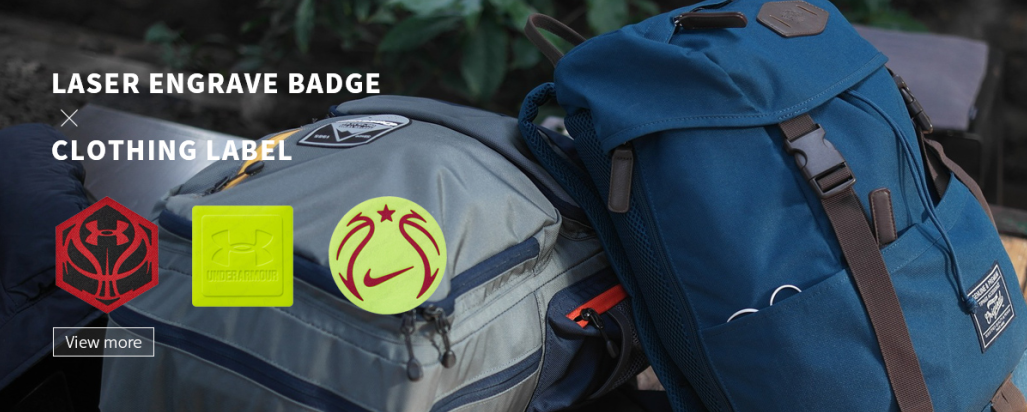
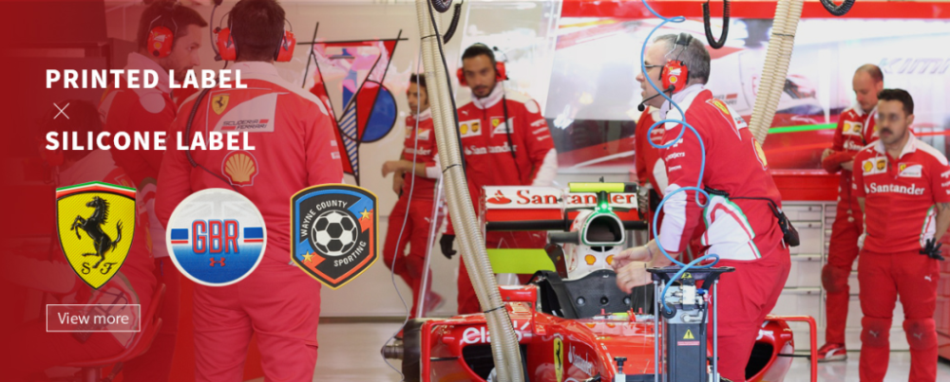
PEPHAWK is proud to highlight our integrated one-stop service—seamlessly combining professional design, R&D, and manufacturing capabilities to deliver cohesive, end-to-end solutions for our valued clients.
Our core product range covers a diverse selection of high-quality accessories and silicone-based items, including:
- Garment Accessories: Silicone Labels, Micro Fiber Labels, TPU Labels, Leather Labels
- Electronic & Lifestyle Gadgets: Silicone Mobile Phone Skins, Silicone MP3 Skins, Silicone Chaplets, Silicone Bracelets
At PEPHAWK, customer satisfaction is our top priority. We’re committed to providing responsive, thorough support, and guarantee a same-day response to all inquiries—no exceptions. You can rely on us for consistent quality, reliable delivery, and a partnership that’s as efficient as it is trustworthy.
Whether you’re looking for custom apparel labels, protective silicone skins, or tailored manufacturing solutions, PEPHAWK has the expertise and flexibility to bring your vision to life.
How to Iron On Patches: Why a Professional Heat Press Is a Must Instead of a Household Iron
World Cup Patches: Hidden Gems for Fans – The Must-Know Guide to Collecting & Styling


SEND MESSAGE