

From Wash Care to Brand Messaging – Maximizing the Potential of Your Apparel Tags and Labels
2024-11-28
It's essential to incorporate apparel tags and labels that are effective in building brand recognition and customer loyalty. Get in touch with our team of experts now!
Apparel tags and labels are more than just care instructions for your garment. They also serve as valuable marketing and branding tools for your business. When correctly used, well-designed, and strategically placed tags can enhance the perceived value of a garment and contribute to brand recognition and customer loyalty.
In this article, we will discuss the various functions of apparel tags and labels, legal requirements and standards, design tips, types of apparel labels, and ways to maximize their potential.
The Importance of Apparel Tags and Labels
Apparel tags and labels serve numerous functions beyond providing wash care instructions. They can be used to display branding, pricing, and sizing information and care for environmental or safety regulations necessary for compliance.
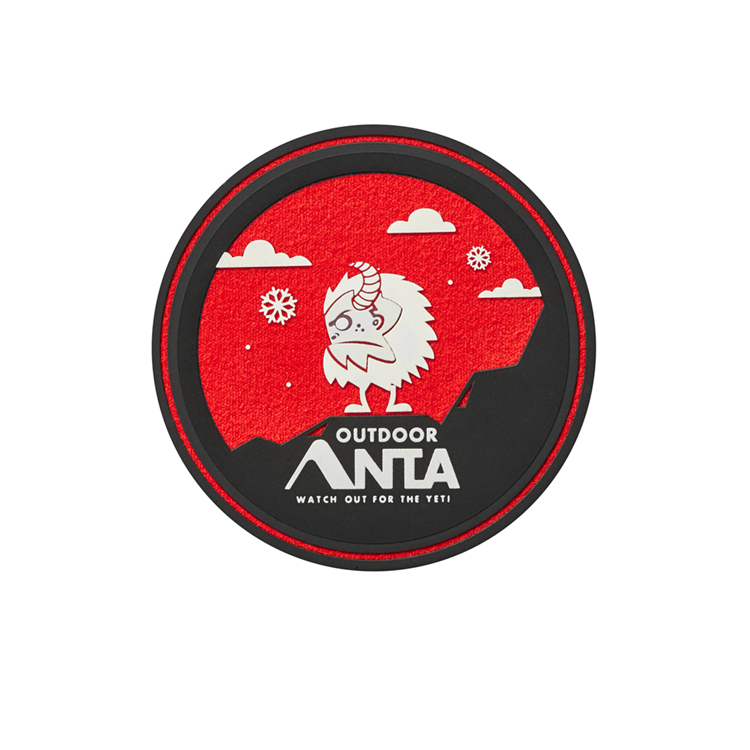
When designing apparel tags, it is essential to keep the purpose of the label in mind and use it as another touchpoint to communicate the values, mission, and differentiators of your brand. One of the critical things to consider when creating clothing tags that complement branding is the use of high-quality materials and graphics to endure the wear and tear that comes with daily use.
Merchandisers must also consider the proper placement of tags to maximize their potential. The most common place for tags is on the neck of a shirt, but this positioning varies depending on the style of the clothing.
Legal Requirements and Standards
Manufacturers and retailers have a legal obligation to ensure that their apparel tags and labels meet regulations. Several regulatory bodies cover labeling requirements, such as the Federal Trade Commission (FTC), the Consumer Product Safety Commission (CPSC), and the Occupational Safety and Health Administration (OSHA) in some cases.
For example, labels on children's clothing must be durable and securely attached, while textile manufacturers must follow the International Organization for Standardization's (ISO) standards for washing and care symbols. When creating garment tags, businesses need to ensure that they understand not only the regulations they need to comply with, but also the voluntary labeling standards.

Designing Effective Apparel Tags
The design of apparel tags and labels is as crucial as the content displayed. A well-designed tag catches the eye of the customer, adds perceived value to the garment, and further enhances the branding of the business.
Typography, use of color and imagery, and the information structure are all components of good tag design. With varying industry standards, such as company logos, different design elements can be repurposed for multiple tags and labels on clothing.
Types of Apparel Labels
Apparel manufacturers and retailers have several label options, including woven labels, printed labels, heat transfer labels, and RFID labels. The best label option for a business depends on the material and type of garment and the desired visual outcome.
Woven labels are the most commonly used professional labels for clothing and are typically cut to specific sizes and types of fabric. Printed labels can achieve more intricate designs and are often preferred for smaller pieces such as socks and underwear. Heat transfer labels are ideal for sportswear as they can withstand the wear and tear associated with physical activity. RFID technology labels can aid with inventory tracking and provide other technological functions to the garment for the customer.

Maximizing the Potential of Apparel Tags and Labels
Ultimately, the main goal of using apparel tags and labels is to communicate the brand message effectively. When placed in the right position, with proper design, and adequate information, customers can easily identify a business's unique values and buy clothing that fits their style. To maximize the full potential of apparel tags and labels, merchandisers must understand the wider context in which they operate and craft an all-encompassing brand image for their customers. Finally, a strategic approach to using apparel tags and labels as creative outlets ensures that each touchpoint tells the most compelling story for their clothing brand.
Sustainable Dress Tag Design: Eco-Friendly Ways to Create Clothing Tags
Innovative Soccer Shirt Logo Designs That Are Taking the Field by Storm




SEND MESSAGE