What Makes a Custom Apparel Label Essential?
Table of Contents
While the fabric and cut of a garment capture the initial attention, the apparel label secures the lasting impression.
The Step-by-Step Manufacturing Process of an Apparel Label
Creating a premium apparel label is a complex intersection of art and engineering. To ensure your brand's identity is perfectly translated into a tangible product, manufacturers follow a rigorous, multi-step production workflow.
Step 1: Conceptualization and Digital Design
The journey begins with translating your brand's vision into a digital blueprint. Designers utilize specialized software to create high-resolution artwork. During this phase, color matching is critical. Manufacturers use the Pantone Matching System (PMS) to ensure that the hues in the digital file perfectly align with your brand guidelines. For woven labels, the design must be adapted to the limitations of the loom, simplifying ultra-fine details into weavable patterns without losing the core aesthetic.
Step 2: Material Selection and Loom Setup
The choice of raw material dictates the tactile feel and durability of the final product. Yarns such as 100% polyester, cotton, or recycled materials are loaded onto the warping machines. For woven labels, high-speed computerized Jacquard looms are set up. The loom's needles are programmed to interlace the warp (background) and weft (design) yarns. The density of the loom setup—whether standard, high-density, or ultra-high-density (damask)—is determined by the intricacy of the design and the desired premium feel.
Step 3: Production (Weaving, Printing, or Embossing)
Depending on the chosen style, the production method varies:
- Weaving: The loom interlaces yarns to create the design. This method offers a textured, luxurious feel and exceptional durability, making it the gold standard for main neck labels.
- Printing: Using techniques like thermal transfer, screen printing, or offset printing, designs are applied to fabric tapes (like satin or cotton). This is highly cost-effective for complex, multi-colored care instructions.
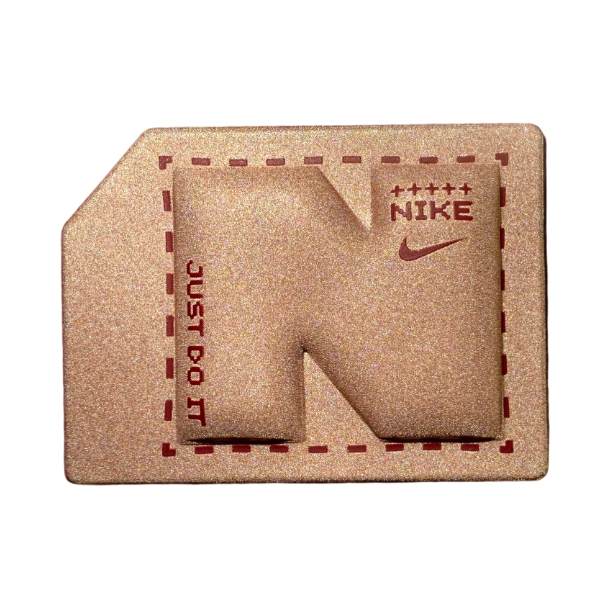
- Embossing/Debossing: For leather or PU labels, heat and pressure are applied to create a raised (embossed) or recessed (debossed) 3D effect, exuding a rugged, high-end aesthetic.
Step 4: Precision Cutting and Folding
Once the continuous roll of labels is produced, it must be cut into individual pieces. Modern facilities use ultrasonic cutting machines. Unlike traditional blade cutting, ultrasonic cutting uses high-frequency vibrations to melt and seal the synthetic edges simultaneously. This prevents fraying and ensures a smooth, comfortable edge that will not irritate the consumer's skin. Following cutting, the labels are folded according to the specified style (e.g., center fold, end fold) using automated folding machines.
Step 5: Rigorous Quality Control and Packaging
Before shipment, every batch undergoes strict Quality Control (QC). Inspectors check for weaving defects, color inconsistencies, incorrect dimensions, and folding accuracy. Labels are also tested for colorfastness and shrinkage to ensure they withstand commercial washing. Finally, the approved apparel labels are counted, bundled, and vacuum-sealed or packed in moisture-proof bags to protect them during international transit.

Application Scenarios for Apparel Labels
An apparel label is not a one-size-fits-all solution. Different garments and brand positioning require specific types of labels. Here is a categorized breakdown of their primary application scenarios.
1. Main Neck Labels (The Brand Identity)
Positioned at the back neckline or sometimes the side seam, the main neck label is the face of your brand. It typically features the brand logo, name, and sometimes a signature tagline.
- Application: Used in almost all apparel, from luxury evening wear to everyday streetwear.
- Strategic Value: It reinforces brand recognition every time the garment is worn or hung in a closet. For premium brands, a thick, damask-woven main label instantly communicates luxury.
2. Care and Content Labels (The Legal Compliance)
These labels are mandatory in most international markets. They provide crucial information regarding fabric composition (e.g., 100% Cotton), country of origin, and standardized care instructions (washing, bleaching, drying, ironing).
- Application: Sewn into the side seam or attached to the main label.
- Strategic Value: Ensures compliance with FTC (USA), CE (Europe), and other global trade regulations. Printed satin or cotton labels are commonly used here to accommodate small, legible text and universal care symbols.
3. Size and Fit Labels (The Practical Guide)
Often integrated into the main label or placed as a separate flag label, size indicators help consumers select the right fit.
- Application: Neckline, side seam, or even printed directly on the inside of the garment (tagless labels).
- Strategic Value: Reduces return rates caused by sizing confusion. In sportswear and activewear, tagless printed labels are highly favored to eliminate chafing during physical activities.
4. Specialty and Promotional Labels (The Marketing Edge)
These include hangtags, size tabs, and limited-edition patches.
- Application: Attached to the outside of the garment via plastic fasteners, or ironed/sewn onto the exterior (like sleeve patches).
- Strategic Value: Hangtags provide prime real estate for marketing copy, pricing, and brand storytelling. Specialty woven patches are heavily used in denim and streetwear to create a rugged, authentic vibe.
Comprehensive Dimension Comparison Tables
To assist B2B buyers in selecting the optimal specifications, we have compiled detailed comparison tables across material types and folding styles.
Table 1: Material Dimension Comparison for Apparel Labels
| Material Type | Durability & Washability | Cost Efficiency | Tactile Feel & Aesthetics | Ideal Application Scenario |
|---|---|---|---|---|
| Woven (Polyester) | Excellent; withstands high temperatures and frequent washing. | Moderate | Textured, premium, classic look. High definition in damask weave. | Main neck labels for mid-to-high-end fashion, uniforms, and denim. |
| Printed (Satin/Taffeta) | Good; requires gentle washing to prevent ink fading over time. | High (Very Cost-effective) | Smooth, silky, glossy finish. Excellent for high-resolution text. | Care labels, content labels, and lightweight lingerie or sleepwear. |
| Printed (Cotton) | Excellent; eco-friendly and softens with washing. | Moderate | Natural, matte, soft, and organic aesthetic. | Sustainable brands, organic cotton garments, and bohemian styles. |
| Leather / PU / Silicone | Superior; highly resistant to water, abrasion, and extreme conditions. | High | Rugged, 3D textured, luxurious, and heavy-duty. | Outerwear, denim jeans, bags, shoes, and premium streetwear patches. |
| Tagless (Heat Transfer) | Excellent; becomes part of the fabric; no edges to fray. | High | Invisible feel; zero skin irritation. | Sportswear, activewear, swimwear, and baby clothing. |
Table 2: Folding Styles Dimension Comparison
| Folding Style | Visual Appearance | Sewing / Attachment Method | Skin Comfort Level | Common Use Case |
|---|---|---|---|---|
| Center Fold | Folded in the middle; both ends are sewn into the seam. The fold sits at the top. | Sewn directly into the neckline or side seam. | High (Raw edges are hidden inside the seam). | Standard main neck labels, size labels. |
| End Fold (Mitred) | Folded at both short ends, creating a clean, finished border on all sides. | Sewn around the perimeter or top/bottom edges. | Very High (All edges are folded and smooth). | Premium brand labels, luxury garments, visible exterior labels. |
| Loop Fold | Folded in the middle and inserted into a slit, creating a continuous loop. | Inserted into a custom slit in the garment fabric. | High (No exposed raw edges). | High-end fashion, designer brands seeking a minimalist look. |
| Manhattan Fold | Folded at the top and bottom, resembling a small booklet or brochure. | Top and bottom edges are sewn into the seam. | Moderate (Thicker due to multiple layers). | Heavy-duty labels, multi-language care instructions. |
| Flag / Side Tab | A single piece of fabric folded in half, sticking out like a flag. | Sewn into the side seam of the garment. | High (If ultrasonic cut; edges are smooth). | Branding on side seams, streetwear, jeans, and adding a pop of color. |
Frequently Asked Questions (FAQ)
Q1: What is the standard minimum order quantity (MOQ) for custom apparel labels?
A: The MOQ varies by production method. For high-speed woven labels, the standard MOQ is typically 1,000 pieces per design to ensure loom efficiency. For printed labels or heat transfers, the MOQ can be as low as 100 to 500 pieces, making it ideal for startup clothing brands or limited capsule collections.
Q2: Which apparel label material is highly recommended for sensitive skin or baby clothing?
A: For sensitive skin, tagless heat transfer labels or printed cotton labels are the best choices. They eliminate the friction caused by woven edges. If a woven label is necessary for branding, specifying a "soft edge" ultrasonic cut and using fine, high-density polyester yarns will significantly enhance comfort.
Q3: What certifications should a reliable apparel label manufacturer possess?
A: A top-tier manufacturer should hold internationally recognized certifications such as Oeko-Tex Standard 100 (ensuring the labels are free from harmful substances), ISO 9001 for quality management, and GRS (Global Recycled Standard) if you are sourcing sustainable or recycled materials for your brand.
Can an Embossed Patch Apparel Logo Elevate Your Brand's Premium Appeal?
Related Article