

Silicone Logo: The Eco-Chic Revolution Reshaping Adidas’ Logo Legacy
Discover the iconic adidas patch logo, a symbol of style and performance. Explore its history, design, and how it enhances your athletic wear.
In an era where sustainability isn’t just a trend but a necessity, Adidas has quietly redefined the way we think about logo patches. Gone are the days of stiff, synthetic labels that clash with both ethics and aesthetics. Today, the brand is pioneering a new frontier: silicone logo patches—eco-friendly, tactile, and utterly modern. As 2025’s fashion landscape embraces conscious innovation, Adidas’s shift toward silicone labels isn’t just a style choice—it’s a statement.
Why Silicone? The Material Revolution
Traditional logo patches often rely on polyester, cotton, or PVC—materials that are either resource-intensive or non-biodegradable. Silicone, by contrast, offers a soft, high-quality finish that feels luxurious against the skin while maintaining durability. Unlike rigid fabric patches, silicone labels are flexible, resistant to fading, and withstand repeated washing without losing their vibrancy. This makes them ideal for athletic wear, where functionality and longevity are paramount.
But the real game-changer lies in sustainability. Eco-friendly silicone patches are crafted from recycled or biodegradable materials, aligning with global efforts to reduce textile waste. Brands like Adidas are now leveraging this technology to create patches that are not just stylish but environmentally responsible. The result? A logo that’s as kind to the planet as it is to your wardrobe.
Adidas: From Parley Ocean Plastic to Silicone Innovation
Adidas has long been a leader in sustainable fashion, most notably through its Parley Ocean Plastic initiative, which transforms ocean-bound plastic into high-performance apparel. While Parley focuses on recycled ocean waste, the brand’s broader mission has paved the way for adopting silicone labels as a complementary eco-friendly solution.
Silicone patches, unlike PVC-based alternatives, are non-toxic and free from harmful chemicals, addressing a critical flaw in traditional patches that often release microplastics during washing. This shift reflects Adidas’s commitment to a closed-loop system—where every component of a product, from fabric to logo, contributes to a cleaner ecosystem.
The Silicone Advantage: 4 Reasons It’s Dominating 2025
1. Eco-Conscious Craftsmanship
Silicone patches are made from renewable or recycled sources, reducing reliance on virgin plastics. Brands can now offer customers a guilt-free way to showcase their identity—without compromising the planet.
2. Unmatched Comfort
Gone are the days of scratchy, stiff logos. Silicone patches are soft, lightweight, and skin-friendly, ensuring they stay comfortable even during intense workouts. This tactile quality has made them a favorite among athletes and casual wearers alike.
3. Durability That Lasts
Unlike fabric patches that fray or fade, silicone labels retain their color and shape after countless washes. They’re also resistant to UV rays, moisture, and abrasion—making them perfect for outdoor and high-performance gear.
4. Customization Without Compromise
From 3D embossed logos to vibrant, customizable colors, silicone patches offer unlimited creative freedom. Whether it’s a subtle Adidas Trefoil or a bold, textured emblem, the material adapts seamlessly to any design vision.
The 2025 Trend: Why Silicone Patches Are Everywhere
The rise of silicone patches isn’t limited to Adidas—it’s a full industry shift. In 2025, consumers increasingly demand products that balance aesthetics with ethics, and silicone patches deliver both. Retailers report a 30% surge in demand for eco-friendly logo patches, with brands like Nike and Puma following Adidas’s lead.
But what sets Adidas apart is its ability to merge sustainability with streetwear appeal. Imagine a hoodie with a sleek, silicone-adorned logo that feels like a second skin—no tags, no stiffness, just pure, conscious style. This is the future of branding.
The Future: Beyond Patches, Into a New Era
As Adidas continues to innovate, silicone patches are evolving beyond mere logos. They’re becoming interactive elements—think patches that glow in the dark or change color with temperature. The technology is also advancing to include plant-based silicone, further reducing carbon footprints.
For consumers, this means a choice that’s as thoughtful as it is stylish. A patch isn’t just a logo—it’s a symbol of a brand’s commitment to the planet. And for Adidas, it’s proof that sustainability and style aren’t just compatible; they’re inseparable.
Conclusion: The Patch That Changes Everything
Adidas’s embrace of silicone logo patches isn’t just a trend—it’s a cultural reset. By prioritizing eco-friendly materials, comfort, and innovation, the brand has turned a small detail into a powerful statement. In a world where every purchase carries an environmental cost, silicone patches prove that even the smallest elements of design can drive meaningful change.
As 2025 closes, one thing is clear: the future of branding isn’t just about looking good. It’s about feeling good, doing good, and wearing it with pride. And with silicone patches leading the charge, Adidas is proving that sustainability doesn’t mean sacrificing style—it means redefining it.
When confronted with the task of producing intricate design drafts of the highest quality, PEPHAWK is here to provide the perfect solution. With over 16 years of industry experience and our esteemed general manager boasting 31 years of expertise in the silicone industry, we are the ultimate choice for tackling your challenging logo design projects. Select PEPHAWK for our unmatched proficiency and rest assured in the impeccable outcomes we consistently deliver.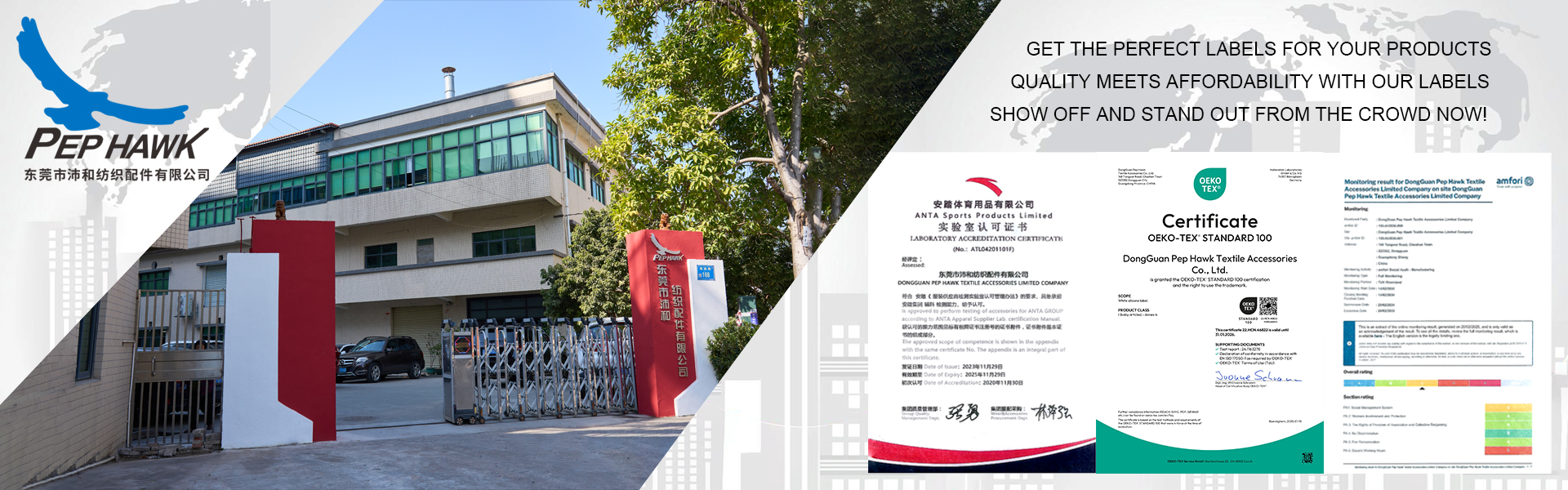
Backpatched & Bold: The 2025 Custom Back Patch Revolution
Silicone Shine: The Eco-Friendly, High-Quality Revolution in Iron-On Patches



