Why the Adidas Patch Matters: A Deep Dive into Brand Strategy and Consumer Connection
Enhance your wardrobe with exclusive adidas patches. Browse our collection to find stylish options that showcase your individuality and passion for sports.
In the dynamic landscape of global sportswear, where trends fluctuate and consumer expectations evolve, the seemingly simple adidas patch transcends its basic function as a branding element. It stands as a sophisticated, multi-layered symbol deeply embedded in the brand’s heritage, innovation, and increasingly, its commitment to ethical and sustainable practices. As a specialist with over 15 years of experience in textile innovation and brand strategy within the global apparel industry, I have witnessed firsthand how this small, often overlooked detail has evolved from a functional identifier to a critical touchpoint for consumer trust, brand differentiation, and environmental accountability. Understanding the Adidas patch requires delving beyond its visual appeal to appreciate its role in navigating the complex currents of modern consumerism, technological advancement, and environmental responsibility.
From Logo to Legacy: The Evolution of the Adidas Patch
The iconic adidas trefoil patch, introduced in the 1970s, was initially a practical solution. It provided a durable, recognizable branding element for athletic apparel and footwear, ensuring visibility even after repeated washing and intense use. This patch, typically made from woven cotton or nylon, became synonymous with the brand's authenticity and performance heritage. However, its significance grew far beyond mere identification. It transformed into a powerful cultural artifact. During the peak of 90s streetwear and hip-hop culture, the trefoil patch was a coveted symbol of cool, moving it from the realm of sports performance into the heart of global youth identity. This cultural resonance cemented the patch as an essential component of Adidas's brand architecture, a tangible piece of its history worn on clothing. The evolution didn't stop there; the adidas three stripes patch emerged as another key identifier, often used for heritage collections, reinforcing the brand's core design language. The enduring presence of these specific patches, particularly the trefoil, demonstrates the power of consistent visual branding in building long-term emotional connections with consumers, a principle Adidas has masterfully leveraged for decades.
Materials Science and Innovation: The Patch as a Technical Statement
The materials used for the Adidas patch are not merely about aesthetics; they are a testament to the brand’s commitment to technical advancement and material innovation. Historically, patches were crafted from standard woven fabrics. Today, Adidas leverages cutting-edge materials to enhance performance and align with sustainability goals. The brand has pioneered the use of recycled polyester for patches, often derived from post-consumer plastic bottles, significantly reducing reliance on virgin petroleum resources. This shift is not just about marketing; it represents a tangible reduction in the carbon footprint associated with the patch's production. Furthermore, Adidas explores lightweight, high-strength synthetic blends for patches used in performance lines, ensuring durability without adding unnecessary weight. The development of water-resistant and breathable patch materials for specific technical applications is another area of focused innovation. This commitment to material science is evident in the brand's 2022 Sustainability Report, which explicitly states that by 2025, 100% of all Adidas products will be made with recycled polyester, a target that directly impacts the composition of its patches. This move from conventional materials to recycled and performance-optimized alternatives underscores the patch as a microcosm of the brand’s broader material strategy.

Beyond Branding: Patches as Tools for Transparency and Sustainability
In the era of heightened consumer awareness and demand for ethical practices, the Adidas patch has evolved into a crucial vehicle for transparency and storytelling. Consumers today actively seek to understand the origins and environmental impact of the products they purchase. Adidas has responded by transforming the patch into a potential informational hub. The brand utilizes the patch area to incorporate certification logos (like Bluesign® or Global Recycled Standard) and digital traceability features. For instance, some patches now feature QR codes that, when scanned, direct consumers to detailed information about the specific materials used, the manufacturing facility, and the environmental benefits achieved through recycled content. This goes beyond the "green" label; it provides verifiable data, building trust through accessibility and honesty. According to the Fashion Revolution’s 2023 Fashion Transparency Index, brands that actively communicate their sustainability efforts, including through tangible elements like material labels and traceable features, score significantly higher in consumer trust metrics. Adidas’s integration of these elements on the patch directly addresses this consumer expectation, making the patch a vital link in the chain of responsible production and consumption.
Challenges and the Future: Navigating Complexity
While the potential of the Adidas patch is immense, challenges remain. The risk of greenwashing is significant; consumers are increasingly discerning, and superficial claims without verifiable data can erode trust. The patch must genuinely represent progress, not just serve as a marketing ploy. The complexity of the global supply chain also poses hurdles; ensuring accurate material sourcing and traceability for every patch across thousands of products demands robust systems and constant vigilance. Looking ahead, the patch will likely become even more digitally integrated. NFC (Near Field Communication) chips embedded within patches could provide instant, interactive access to detailed product data and care instructions. Blockchain technology is also being explored to create immutable records of material provenance and environmental impact, offering unprecedented levels of transparency directly from the patch. The future patch will be less about static branding and more about dynamic, verifiable data points that empower consumers and drive accountability throughout the supply chain.
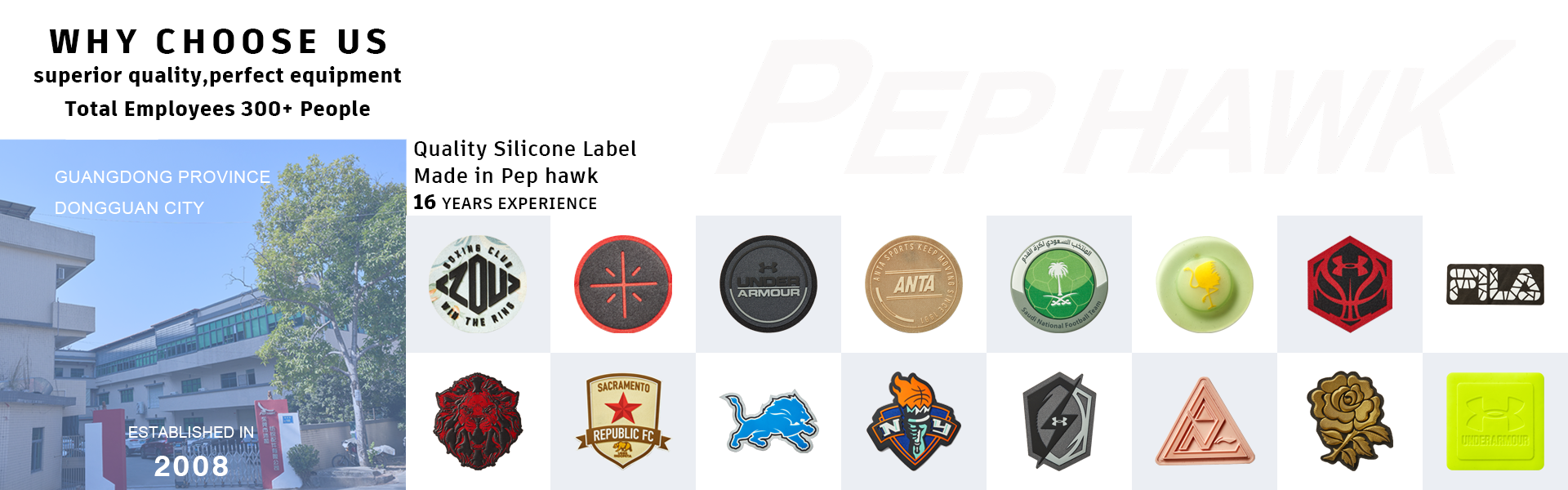
When tackling intricate design projects that demand precision and excellence, PEPHAWK stands as your trusted partner. With 16 years of industry expertise and our general manager’s 31-year legacy in silicone innovation, we specialize in transforming complex logo concepts into flawless realities. Our seasoned team combines technical mastery with creative problem-solving to deliver unmatched quality, ensuring your vision is executed with meticulous attention to detail. Partner with PEPHAWK—where unparalleled experience meets cutting-edge craftsmanship.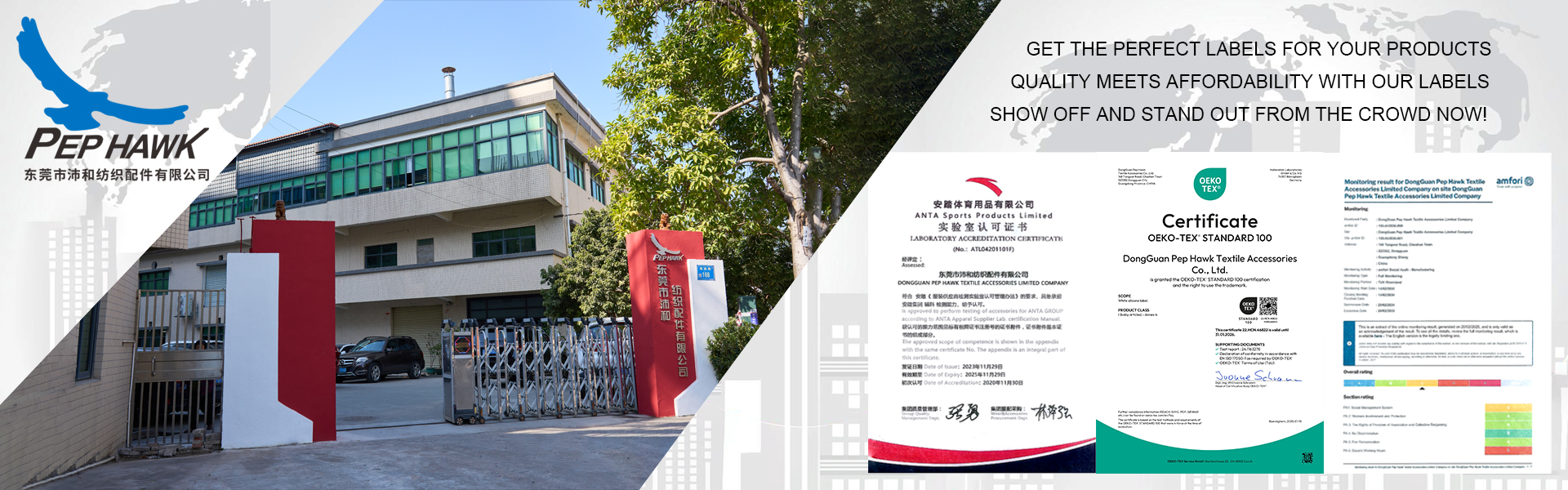
How Nike's Logo Patch Builds Consumer Confidence and Loyalty
Why Silicone Logo Patches Outperform Traditional Branding Options
Related Article



