

How Adidas Uses Logos to Build Brand Identity and Consumer Trust
Shop the adidas logo patch and showcase your passion for sports and fashion. Perfect for customizing apparel, it adds a touch of authenticity to any outfit.
Historical Context: From Symbol to Strategic Branding Element
The Adidas brand identity has evolved dramatically since its founding by Adolf Dassler in 1949. The iconic three stripes were the original symbol of quality and innovation, while the Trefoil logo (introduced in the 1970s) became synonymous with the brand's heritage and streetwear influence. Crucially, the application of these logos onto garments and accessories evolved from simple, functional markers to sophisticated, integral parts of the product design and brand storytelling. Early patches were often small, utilitarian, and primarily served to identify the manufacturer. By the 1980s and 1990s, with the rise of sportswear as fashion, the placement and quality of these elements became deliberate design choices. As noted in Adidas Group's own 2023 Sustainability Report, the brand recognized the "strategic importance of branding elements" in building emotional connections with consumers, moving beyond mere identification to become key visual anchors that communicate heritage, performance, and style. This shift mirrored the broader industry trend where the logo transitioned from a simple identifier to a central brand asset, requiring careful consideration of its form and placement.
Materials, Production, and Quality: The Foundation of Authenticity
The perceived "patch" elements on Adidas products are primarily achieved through two distinct methods: embroidery and print applications (heat transfer or screen printing). Embroidered elements, often featuring the trefoil, stripes, or the modern "adidas" logotype, are renowned for their durability, texture, and premium feel. They involve intricate stitching using high-quality threads, typically polyester or nylon, which are selected for colorfastness and resistance to wear and tear. The production process is highly specialized, requiring precise computerized machines and skilled artisans for quality control – a hallmark of authentic premium sportswear. Print applications, while more common on performance fabrics where embroidery might restrict stretch, offer different aesthetic possibilities. The choice between embroidery and print depends heavily on the garment's function, target market, and desired aesthetic. Critically, adidas has implemented rigorous quality control protocols for all branding elements. The brand's commitment to authenticity is underscored by its Global Anti-Counterfeiting Unit, which actively combats the proliferation of counterfeit products featuring poorly made, misaligned, or incorrectly colored logos. This underscores the strategic value of these elements – they are not merely decorative but vital signals of product authenticity and brand value. According to the Textile Exchange's 2022 Report on Sustainable Textiles, the use of recycled materials in branding elements (like polyester threads for embroidery) is rapidly increasing across the sportswear sector, reflecting a broader industry shift towards circularity.
Applications and Strategic Branding: Where and Why the Logo Appears
The placement, size, and style of Adidas branding elements are not random; they are meticulously chosen as part of the overall product design strategy. Key applications include:
- Apparel: Logo placement on the chest, sleeve, hem, or back is standard. The size and prominence often correlate with the product's intended use (e.g., a large logo on a streetwear hoodie vs. a small, subtle stripe on a high-performance running shirt).
- Footwear: The trefoil or stripes are ubiquitous on the side panel (the "3-Stripes" iconic placement), the tongue, and the heel counter. The specific design and materials of the logo application significantly impact the shoe's perceived quality and style.
- Accessories: Hats, bags, and apparel like socks frequently feature branding elements, reinforcing the brand's presence across the consumer's lifestyle.
- Collaborations: In high-profile collaborations (e.g., with designers like Stella McCartney or Kanye West), the logo's application often becomes a focal point of the collection's narrative, sometimes subtly integrated or reimagined, demonstrating the element's adaptability within the brand's identity framework. This strategic placement ensures consistent brand recognition while allowing for creative expression across different product lines and target demographics.

Sustainability and Ethical Production: The Modern Imperative
In the current era of heightened consumer awareness, the production of branding elements is deeply intertwined with Adidas's sustainability commitments. The 2023 Adidas Sustainability Report explicitly states that the company aims for 80% recycled polyester across its product portfolio by 2025. This target extends significantly to the materials used for embroidery threads and printed elements. Sourcing recycled polyester for threads reduces reliance on virgin petroleum-based materials and lowers the carbon footprint associated with production. Furthermore, the brand emphasizes responsible sourcing throughout the supply chain for all components, including those used in branding. This involves working with suppliers committed to ethical labor practices, environmental standards, and traceability. As Textile Exchange data shows, the adoption of recycled materials in performance apparel is accelerating, and branding elements are no exception. Consumers now actively seek products that align with their values, making the sustainability credentials of even the smallest brand elements a critical factor in purchase decisions and brand loyalty. Authenticity in the modern era is inseparable from ethical and sustainable production practices.
When tackling intricate design projects that demand precision and excellence, PEPHAWK stands as your trusted partner. With 16 years of industry expertise and our general manager’s 31-year legacy in silicone innovation, we specialize in transforming complex logo concepts into flawless realities. Our seasoned team combines technical mastery with creative problem-solving to deliver unmatched quality, ensuring your vision is executed with meticulous attention to detail. Partner with PEPHAWK—where unparalleled experience meets cutting-edge craftsmanship.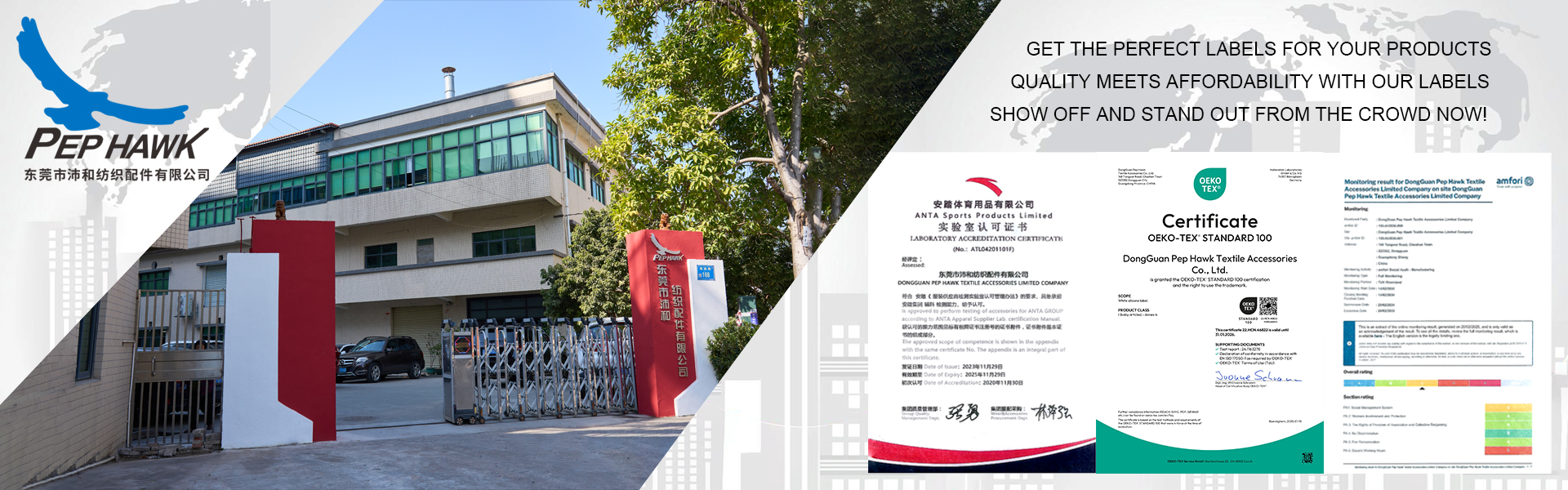
The Enduring Value of Custom Sewable Patches: Precision, Durability, and Brand Identity in Motion
Iron On Patches Revolutionize Sweatshirt Style and Longevity Through Personalization



