

Silicone Shine: The Eco-Friendly, High-Quality Revolution in Iron-On Patches
Shop our collection of adidas iron-on patches to customize your clothing. Durable and trendy, these patches are a great way to express your style!
In the ever-evolving world of fashion customization, iron-on patches have become a staple for personal expression—transforming plain apparel into unique statements. While brands like Adidas have popularized these accessories, the true innovation lies not in the brand, but in the material. Enter silicone iron-on patches: the eco-conscious choice that’s redefining quality, comfort, and sustainability in the patch industry. Forget outdated PVC or vinyl alternatives—silicone is the future, offering unmatched environmental benefits without sacrificing style or durability.
The Material Showdown: Why Silicone Beats PVC and Polyester
For decades, PVC (polyvinyl chloride) dominated the iron-on patch market due to its affordability and flexibility. However, its environmental and health costs are staggering. PVC production releases toxic chemicals like dioxins, and its non-biodegradable nature traps waste in landfills for centuries. In contrast, silicone is a non-toxic, recyclable material that poses minimal environmental impact, making it the ethical choice for conscious consumers. When comparing silicone to PVC, the environmental trade-off is clear: choose silicone when flexibility, heat resistance, and eco-friendliness matter most.
Polyester, often marketed as a "greener" alternative, also falls short. While polyester patches resist stretching and shrinking, they’re typically made from petroleum-based fibers and lack the biodegradable edge of silicone. Meanwhile, silicone patches combine the best of both worlds—durability without the ecological burden. Unlike vinyl, which is more durable than polyester but still relies on harmful chemicals, silicone offers a seamless blend of resilience and sustainability.
The Eco-Advantage: Beyond Just "Green"
Silicone’s environmental credentials go beyond simple recyclability. Its production process emits fewer greenhouse gases, and its longevity ensures patches don’t end up in landfills after a single use. This aligns perfectly with the circular economy movement, where reducing waste is paramount. Moreover, silicone’s soft, skin-friendly texture eliminates the irritation often caused by stiff PVC patches, making it ideal for everyday wear—no more scratchy, uncomfortable adornments.
For brands like Adidas, which prioritize both style and responsibility, switching to silicone patches isn’t just a trend—it’s a strategic move. Imagine an Adidas jacket adorned with a sleek, 3D silicone patch that feels as luxurious as it looks, while also leaving a lighter footprint on the planet. This is the promise of silicone: fashion that doesn’t compromise the environment.
Quality That Lasts: Why Silicone Wins on Performance
Silicone iron-on patches aren’t just eco-friendly—they’re better in every way. Their soft, pliable nature ensures they conform to fabric without cracking or peeling, even after multiple washes. This durability outshines both PVC and polyester, which often degrade faster under heat or abrasion. For example, vinyl patches may look sharp initially but tend to stiffen and fade over time, while polyester patches can shrink or wrinkle. Silicone, however, maintains its shape, color, and texture for years.
The material’s versatility also shines. Silicone patches can be crafted in intricate 2D and 3D designs, adding depth and dimension to apparel. Whether it’s a subtle logo or a bold, textured emblem, silicone brings a modern luxury aesthetic that elevates any garment. This isn’t just about patching up old clothes—it’s about creating art that lasts.
The Bigger Picture: A Shift in Consumer Values
The rise of silicone patches reflects a broader cultural shift toward sustainable fashion. Consumers are increasingly demanding transparency from brands, and materials like silicone deliver on both performance and ethics. As awareness grows about the environmental toll of fast fashion, silicone patches emerge as a small but powerful step toward change. They’re not just accessories—they’re a statement of values.
Brands that adopt silicone patches aren’t just meeting consumer expectations; they’re leading the charge. Adidas, for instance, could leverage this trend to reinforce its commitment to sustainability, offering customers a choice that aligns with their eco-conscious lifestyles. Imagine a limited-edition Adidas collection where every patch is silicone—a move that would resonate deeply with the next generation of shoppers.
Silicone Isn’t Just a Patch—It’s a Movement
In a market flooded with disposable fashion, silicone iron-on patches stand out as a beacon of responsibility and quality. They’re the answer to the age-old dilemma: Can fashion be both beautiful and kind to the planet? The answer is a resounding yes.
Silicone’s environmental benefits—non-toxic, recyclable, and biodegradable—make it the clear winner over PVC and polyester. Its superior texture, durability, and design flexibility ensure it’s not just eco-friendly, but better in every way. As the fashion industry grapples with its environmental impact, silicone patches offer a tangible, accessible solution. They’re proof that style and sustainability can coexist—and that the best designs are the ones that leave the smallest footprint.
So, the next time you’re tempted to customize your Adidas jacket or favorite jacket, skip the PVC patches. Choose silicone. It’s not just a patch—it’s a promise to the planet, one soft, stylish stitch at a time.
When confronted with the task of producing intricate design drafts of the highest quality, PEPHAWK is here to provide the perfect solution. With over 16 years of industry experience and our esteemed general manager boasting 31 years of expertise in the silicone industry, we are the ultimate choice for tackling your challenging logo design projects. Select PEPHAWK for our unmatched proficiency and rest assured in the impeccable outcomes we consistently deliver.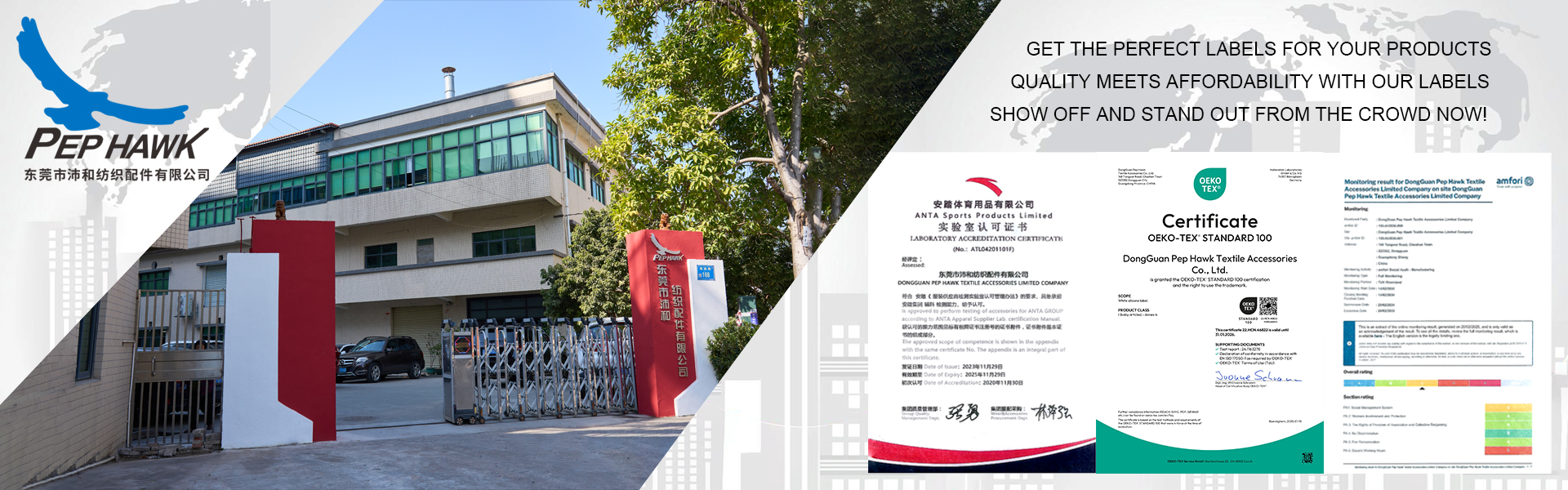
Silicone Logo: The Eco-Chic Revolution Reshaping Adidas’ Logo Legacy
Beyond Flat: The 3D Logo Revolution Reshaping Brand Identities in 2025



