

Secrets of Stunning Silicone Logo Trademarks: Hardness, Designs & Cost Insights
2025-12-10
Explore key determinants of silicone hardness, top materials for logo trademarks, popular design patterns, cost ranges & quality inspection methods to pick the perfect silicone logos for your brand.
Table of Contents
- 1. Core Determinants of Silicone Hardness
- 2. Professional Measurement Standards for Silicone Hardness
- 3. Silicone Materials Suitable for Logo Trademarks
- 4. Different Design Patterns of Silicone Logo Trademarks
- 5. Cost Ranges of Different Design Patterns for Silicone Logo Trademarks
- 6. Quality Inspection Methods for Silicone Logo Trademarks
1. Core Determinants of Silicone Hardness
1.1 Raw Material Formulation
Silicone is a polymer synthesized from natural silicon, oxygen, carbon, and hydrogen. Altering its hardness requires precise modification of the chemical composition by skilled technicians, who incorporate key additives into the base silicone:
-
Vinyl: Boosts the crystallization of silicone chains, enhancing the density of the chemical structure.
-
Fumed Silica: Acts as a primary hardness regulator by optimizing particle packing within the material.
-
Silicone Resin: Improves compatibility between silicone rubber and other compounds, ensuring formulation stability.
-
Silicone Oil: Fine-tunes flexibility and hardness balance.
These meticulous adjustments demand advanced technical expertise, underscoring the direct correlation between a manufacturer’s proficiency and the consistency of the final product’s hardness.
<Extended Reading: Common Types of Silicone Rubber: Features & Applications Unveiled>
1.2 Heat Curing Parameters (Time & Temperature)
Silicone molding relies on a critical "curing" process, with two primary methods: room-temperature curing and heat curing. For industrial-scale production, heat curing is predominant:
-
Products are placed in industrial ovens for baking.
-
Adjusting the curing duration and oven temperature directly modifies the molecular crosslinking degree of silicone, which in turn alters its hardness.
Generally, longer curing times or higher temperatures (within optimal ranges) yield harder silicone, as molecular bonds form more densely during the curing process.
1.3 Crosslink Density
Crosslink density refers to the concentration of molecular bonds in the silicone structure—analogous to a "molecular mesh":
-
Denser crosslink points (like tightly woven mesh intersections) result in harder, less elastic silicone.
-
Sparser crosslink points produce softer, more flexible material.
This key metric is influenced by processing conditions, including temperature, time, and pressure. Technicians must monitor crosslink density in real time during production to ensure the final product meets the desired hardness specifications.
1.4 Additive Integration
Vulcanization is a critical step in silicone molding, where additives play a pivotal role in adjusting hardness by stabilizing molecular structures and facilitating vulcanization reactions. Common additives include:
-
Fillers: Enhance hardness and mechanical strength.
-
Vulcanizing Agents: Accelerate molecular crosslinking.
-
Modifiers: Customize material properties for specific applications.
-
Structure Controllers: Ensure uniform curing and consistency.
By fine-tuning the type and ratio of additives, manufacturers can precisely tailor silicone hardness to match the unique requirements of custom labels, emblems, or industrial components.
2. Professional Measurement Standards for Silicone Hardness
Two internationally recognized standards are widely adopted for silicone hardness testing, each designed for specific product characteristics:
2.1 Shore Hardness
Shore Hardness is the most prevalent industrial standard, utilizing a durometer equipped with a probe and spring-loaded mechanism:
-
Testing Principle: The probe is pressed against the silicone surface, and the indentation depth under a fixed spring force is converted into a hardness value. Harder silicone resists indentation, resulting in a higher Shore rating.
-
Types:
-
Shore A: Suitable for silicone with hardness below 90 degrees (ideal for flexible silicone labels, gaskets, or consumer goods).
-
Shore D: Designed for silicone with hardness above 90 degrees (used for rigid silicone components or industrial parts).
-
-
Advantages: Versatile across materials (silicone, rubber, leather, plastic, resin, etc.) and easy to operate, making it the preferred choice for mass production and quality control.
2.2 International Rubber Hardness Degrees (IRHD)
IRHD is a specialized standard tailored for rubber and silicone materials:
-
Testing Principle: A steel ball is pressed onto the sample surface twice, and a pressure sensor measures the indentation depth to determine hardness.
-
Types: Micro, Low, Normal, and Hard (Normal and Micro are the most widely used for silicone products).
-
Advantages: Ideal for small, thin, or precision-molded items (e.g., mini silicone labels or micro-components) due to its gentle clamping-style testing method, which minimizes sample damage.
-
Key Difference from Shore Hardness: IRHD is limited to rubber/silicone materials, while Shore Hardness is compatible with a broader range of products and sizes, making it more versatile for industrial applications.
3. Silicone Materials Suitable for Logo Trademarks
Silicone materials ideal for logo trademarks are primarily high-performance vulcanized silicone rubbers, with room-temperature vulcanizing (RTV) silicone and high-temperature vulcanizing (HTV) silicone being the most widely used types. HTV silicone, especially methyl vinyl silicone rubber (MVQ), is a top choice for logo production due to its excellent mechanical properties. It typically has a Shore hardness ranging from 30A to 80A, a range that balances flexibility and structural stability—critical for logos that need to maintain shape while withstanding minor impacts or bending, such as those on apparel, accessories, or electronic devices.
Another key material is liquid silicone rubber (LSR), a type of RTV silicone known for its ultra-smooth surface finish and precise molding capabilities. LSR is perfect for intricate logo designs with fine details, as it can replicate complex patterns accurately during injection molding. It also boasts superior chemical resistance, resisting oils, solvents, and UV radiation, ensuring logos retain their color and structure even in harsh environments like outdoor exposure or frequent contact with skin.
Food-grade silicone, compliant with standards like FDA and LFGB, is essential for logos on food containers, kitchenware, or baby products. This material is non-toxic, odorless, and heat-resistant (from -40℃ to 230℃), making it safe for direct food contact while maintaining durability. Additionally, these silicone materials offer excellent colorability, supporting vibrant, long-lasting pigments that don’t fade easily, which is vital for brand logo recognition.
Their inherent properties of tear resistance, compression set resistance, and weatherability further make them suitable for long-term use across various industries. Whether for embossed, debossed, or 3D logos, these silicone materials combine aesthetic versatility with functional reliability, meeting the strict requirements of brand trademark applications.
4. Different Design Patterns of Silicone Logo Trademarks
Silicone logo trademarks are widely favored in various industries due to their excellent durability, flexibility, and resistance to high and low temperatures. The design pattern of a silicone logo not only affects its visual appeal but also determines its applicability in different scenarios. Below are several common design patterns of silicone logo trademarks, each with unique characteristics and application advantages.
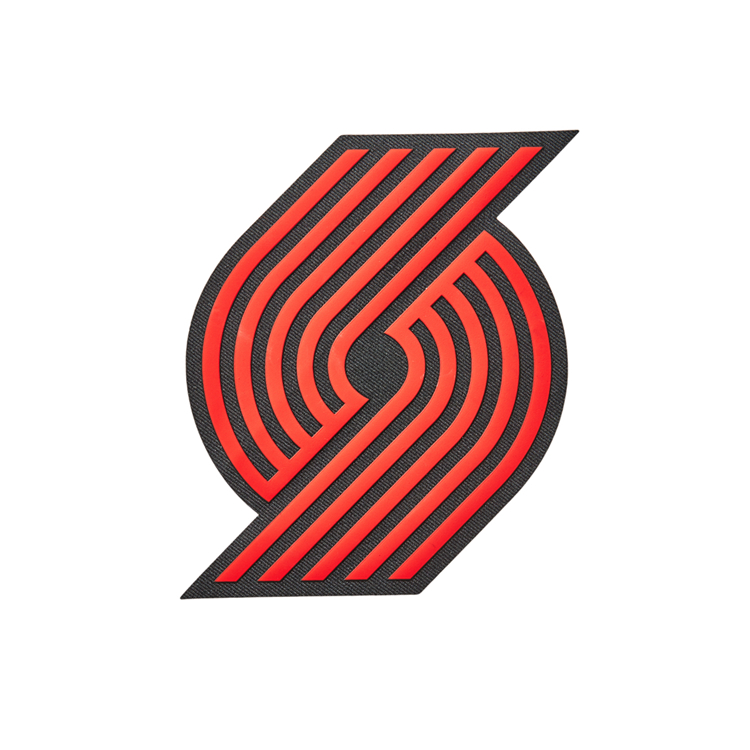
4.1 Flat Monochrome Design
Flat monochrome design is the most basic and widely used pattern for silicone logo trademarks. As the name suggests, this pattern features a flat surface without any three-dimensional texture, and is printed or molded with a single color. It is characterized by simplicity, clarity, and low production costs, making it suitable for small and medium-sized enterprises or products that pursue practicality. For example, many daily necessities such as silicone phone cases, water cups, and keychains adopt this design. The logo can be clearly displayed even on small-sized products, and the single color ensures that the brand information is not distracting. In addition, the flat surface is easy to clean and not easy to accumulate dust, which is in line with the hygiene requirements of daily necessities.
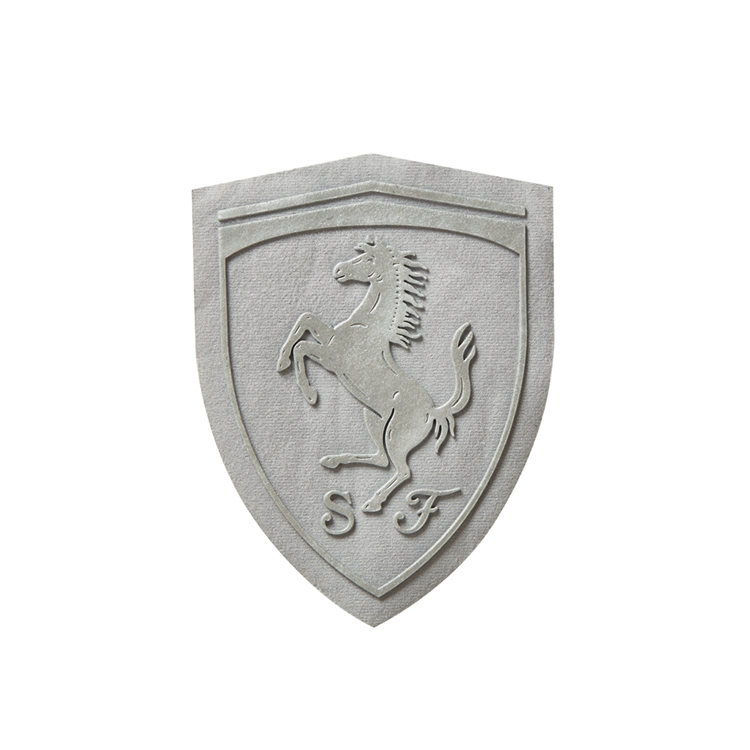
4.2 3D Embossed Design
3D embossed design is a high-end pattern that makes the logo stand out from the silicone surface through molding technology. This design creates a strong three-dimensional sense and touch, which can significantly enhance the brand's sense of quality and grade. The embossed part is usually made by precise mold opening, ensuring that every detail of the logo is clearly presented. This pattern is widely used in high-end electronic products, automotive accessories, and sports equipment. For instance, some high-end headphone silicone sleeves and automotive silicone gaskets use 3D embossed logos to highlight the brand's professionalism and high-quality positioning. Moreover, the 3D embossed design has good wear resistance; even after long-term use, the embossed pattern will not easily fade or deform, maintaining the brand's image for a long time.
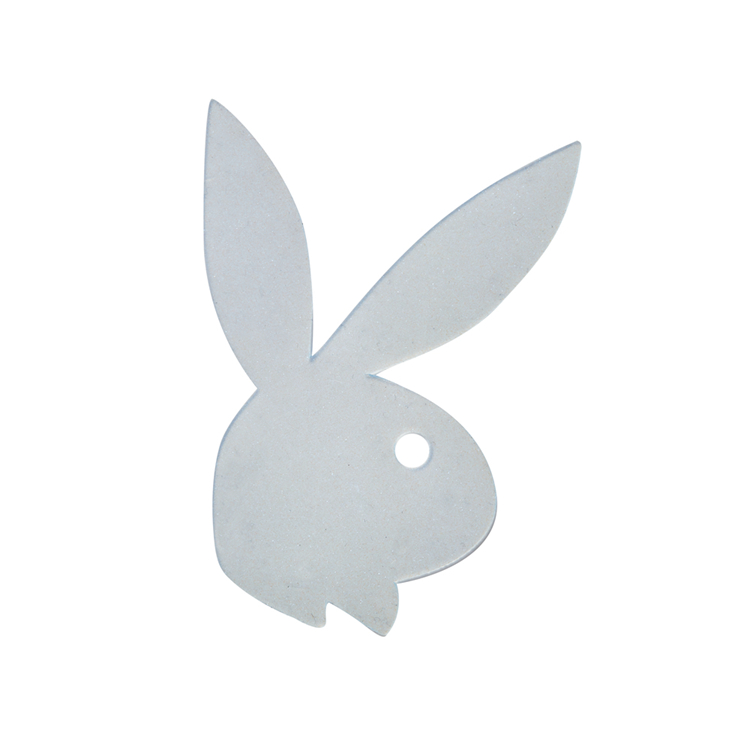
4.3 Hollow Out Design
Hollow out design is a creative pattern that forms the logo shape by hollowing out parts of the silicone material. This design is lightweight and has a unique visual effect, suitable for products that pursue fashion and individuality. For example, silicone bracelets, bag pendants, and decorative stickers often use hollow out logos. The hollow part can be combined with the color or texture of the product itself, creating a layered sense. In addition, the hollow out design has good air permeability, which is especially suitable for silicone products that need to be in contact with the skin for a long time, such as silicone wristbands. However, this design has higher requirements for the thickness and hardness of the silicone material; if the material is too thin or soft, the hollow part may easily deform.
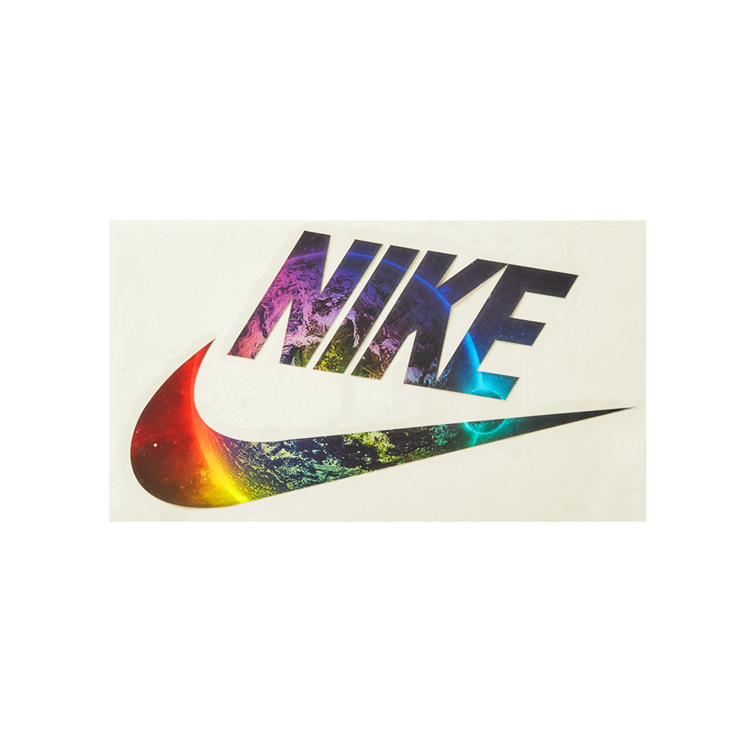
4.4 Gradient Color Design
Gradient color design uses two or more colors to transition smoothly on the silicone logo, creating a rich and vivid visual effect. This pattern is popular among young consumer groups and is often used in fashion, beauty, and toy products. For example, silicone hair bands, cosmetic cases, and children's toys often adopt gradient color logos to attract consumers' attention. The gradient color can be realized through multi-color molding or printing technology, and the color transition is natural and smooth. It should be noted that the gradient color design has higher requirements for color matching and production technology; improper color matching may make the logo look messy, and immature production technology may lead to color fading or mixing.
In conclusion, different design patterns of silicone logo trademarks have their own characteristics and application scenarios. Enterprises can choose the appropriate pattern according to their brand positioning, product characteristics, and target audience. With the continuous development of silicone molding technology, more innovative design patterns will emerge, bringing more possibilities to brand promotion and product decoration.
5. Cost Ranges of Different Design Patterns for Silicone Logo Trademarks
The cost of silicone logo trademarks varies significantly depending on their design patterns, as each pattern involves distinct production processes, material requirements, and precision standards. Understanding the cost ranges of different design patterns is crucial for enterprises to balance brand presentation and budget control. Below is a detailed breakdown of the cost ranges for common silicone logo trademark designs, along with the key factors influencing their pricing.
5.1 Flat Monochrome Design: Low-Cost Option
Flat monochrome design is the most cost-effective among all silicone logo patterns, with a unit cost ranging from $0.1 to $0.5 for bulk orders (10,000 units or more). The low cost is mainly due to its simple production process—usually involving screen printing or basic compression molding without the need for complex mold structures. For small-batch orders (less than 1,000 units), the unit cost may increase to $0.8 to $1.2, as the fixed cost of mold opening and setup is spread over fewer products. Key cost-influencing factors include the size of the logo (larger logos require more silicone material) and the type of silicone used (standard food-grade silicone is more affordable than high-temperature-resistant specialty silicone).
5.2 3D Embossed Design: Mid-to-High Cost Range
3D embossed design, known for its premium texture, falls into the mid-to-high cost category, with a unit cost of $0.8 to $2.5 for bulk orders. The higher cost stems from the need for precision mold making—embossed details require intricate mold cavities that take more time and craftsmanship to produce. The mold cost alone can range from $300 to $800, which is a significant fixed expense. For small-batch orders, the unit cost can surge to $3.0 to $5.0. Additional factors affecting cost include the depth of the embossment (deeper embossments require more material and precise molding control) and post-processing requirements (such as polishing the embossed surface for a smoother touch).
5.3 Hollow Out Design: Mid-Cost Range
Hollow out design has a moderate cost range, with a unit cost of $0.6 to $1.8 for bulk orders. The cost is higher than flat monochrome design due to the more complex molding process—hollowed parts require precise cutting or etching to ensure the logo shape is intact without structural weaknesses. Mold making for hollow out designs also requires more precise calibration, with mold costs ranging from $200 to $600. For small-batch orders, the unit cost typically ranges from $1.5 to $3.2. Key cost drivers include the complexity of the hollowed pattern (intricate shapes with small details increase production difficulty) and the thickness of the silicone material (thicker silicone is needed to maintain structural stability, increasing material costs).
5.4 Gradient Color Design: Mid-to-High Cost Range
Gradient color design costs are similar to 3D embossed design, with a unit cost of $0.9 to $2.8 for bulk orders. The main cost factor is the multi-color molding or printing process—gradient effects require precise color mixing and layer-by-layer application, which increases production time and material waste. For example, multi-color compression molding requires separate molds for each color, raising mold costs to $400 to $900. Small-batch orders can see unit costs as high as $3.5 to $6.0. Other influencing factors include the number of color transitions (more colors mean more production steps) and color fastness requirements (high-quality gradient colors that resist fading require premium inks or pigments).
In summary, flat monochrome design is ideal for budget-constrained enterprises, while 3D embossed and gradient color designs are suitable for brands pursuing high-end positioning. Hollow out design offers a balance between creativity and cost. Enterprises should also consider additional costs such as mold fees, shipping, and quality inspection when planning their budgets. With optimized production processes and bulk ordering, it is possible to reduce unit costs while maintaining the desired design quality.
6. Quality Inspection Methods for Silicone Logo Trademarks
Silicone logo trademarks are widely used in electronics, daily necessities, and automotive industries, where their quality directly affects brand image and product reliability. Effective quality inspection covers multiple dimensions, including appearance, material performance, durability, and precision, to ensure the logos meet industry standards and customer requirements. Below is a comprehensive guide to the key quality inspection methods for silicone logo trademarks, along with detailed operating criteria.
6.1 Appearance Inspection: Basic Quality Evaluation
Appearance inspection is the initial and fundamental step, focusing on surface defects and visual consistency. Inspectors should conduct the check under natural light or standard white light (500-1000 lux) with the naked eye or a 5-10x magnifying glass. Key checkpoints include surface smoothness—no bubbles, scratches, burrs, or unevenness are allowed. For colored logos, color consistency is critical; use a colorimeter to verify that the color value (e.g., RGB, CMYK) matches the design sample, with a deviation within ±2%. Additionally, check the logo’s edge definition: flat or embossed patterns should have clear, non-blurred edges, while hollow-out designs must have intact structures without tearing or deformation. Any logo with obvious appearance defects should be classified as unqualified to avoid affecting product aesthetics.
6.2 Material Performance Inspection: Core Quality Guarantee
Material performance directly determines the safety and usability of silicone logos, requiring targeted tests for silicone properties. First, the hardness test uses a Shore A durometer: most silicone logos have a hardness range of 20-80 Shore A, and the measured value should deviate by no more than ±5% from the specified standard. Second, the non-toxicity and environmental protection test is essential, especially for logos used in food-contact or skin-contact products. They must comply with international standards such as FDA (U.S.) or REACH (EU), with no harmful substances like heavy metals or phthalates detected. Third, the high and low-temperature resistance test involves placing the logo in a constant temperature chamber at -40℃ for 24 hours and 200℃ for 24 hours; qualified logos should show no cracking, melting, or color fading after the test.
6.3 Durability Inspection: Long-Term Use Validation
Durability inspection ensures the logo maintains its performance during long-term use or harsh conditions. The wear resistance test uses a friction tester: with a load of 500g, rub the logo surface with standard cotton cloth for 500 cycles; no obvious color fading or surface damage is allowed. For logos attached to products that may be stretched (e.g., silicone bracelets), the tensile test is necessary: stretch the logo by 30% of its original size and hold for 10 seconds, then release—qualified logos should recover to their original shape without permanent deformation. The water resistance test involves immersing the logo in water at 25℃ for 72 hours; after drying, there should be no delamination, blistering, or color bleeding. These tests simulate real-world usage scenarios to ensure the logo’s long-term reliability.
PEPHAWK is proud to highlight our integrated one-stop service—seamlessly combining professional design, R&D, and manufacturing capabilities to deliver cohesive, end-to-end solutions for our valued clients.
Our core product range covers a diverse selection of high-quality accessories and silicone-based items, including:
- Garment Accessories: Silicone Labels, Micro Fiber Labels, TPU Labels, Leather Labels
- Electronic & Lifestyle Gadgets: Silicone Mobile Phone Skins, Silicone MP3 Skins, Silicone Chaplets, Silicone Bracelets
Beyond our core offerings, we also connect clients with complementary products through our trusted affiliated companies, ensuring all your needs are met under one partnership.
What sets us apart is our specialized expertise in key manufacturing processes: Silk Screen Printing, High-Frequency Welding, Sublimation Printing, Seamless Fabric Processing, and Laser Cutting. These capabilities allow us to serve a wide array of industries—from garments, shoes, caps, and gloves to electronic devices, bags, and sporting equipment—with products that blend durability, functionality, and aesthetic appeal.
At PEPHAWK, customer satisfaction is our top priority. We’re committed to providing responsive, thorough support, and guarantee a same-day response to all inquiries—no exceptions. You can rely on us for consistent quality, reliable delivery, and a partnership that’s as efficient as it is trustworthy.
Whether you’re looking for custom apparel labels, protective silicone skins, or tailored manufacturing solutions, PEPHAWK has the expertise and flexibility to bring your vision to life.
Patch Perfection: DIY Iron-On Magic to Customize Apparel, Decor & Beyond!
Sports Emblem Patches: Wear Team Pride That Outlasts the Game!




SEND MESSAGE