

Removable Patches Swap Style Instantly On Any Gear
2026-07-04
Removable patches bring flexible branding and personalization to apparel, gear, and accessories without permanent modification.
Table of Contents
These interchangeable emblems attach and detach in seconds, allowing users to refresh designs, update identification markers, or rotate seasonal themes across multiple items. Built with precision backing systems and durable face materials, removable patches deliver professional appearance alongside practical functionality for everyday use and demanding environments alike.
The modular nature of removable patches supports creative expression and operational efficiency across industries. Military units swap insignias between missions, retail brands create limited-edition merchandise collections, and outdoor enthusiasts customize backpacks for different trips. Every patch combines engineered attachment technology with decorative or informational surface design, resulting in a product that balances visual appeal with reliable performance.
Core Product Overview
Removable patches function as interchangeable emblems designed for repeated attachment and removal without damaging host materials. Unlike iron-on or sewn alternatives that leave permanent marks, these patches use non-damaging attachment systems that preserve fabric integrity over hundreds of swap cycles. Each unit consists of two primary components: the decorative front face that carries branding or imagery, and the backing mechanism that enables secure yet reversible connection to compatible surfaces.
Production follows standardized manufacturing processes that ensure consistent sizing, adhesion strength, and color accuracy across batch runs. Custom designs transfer onto patch surfaces through embroidery, PVC molding, woven weaving, or printing techniques, each suited to different durability requirements and aesthetic preferences. Backing materials receive quality testing for peel strength, shear resistance, and cycle durability to guarantee reliable performance under real-world conditions.
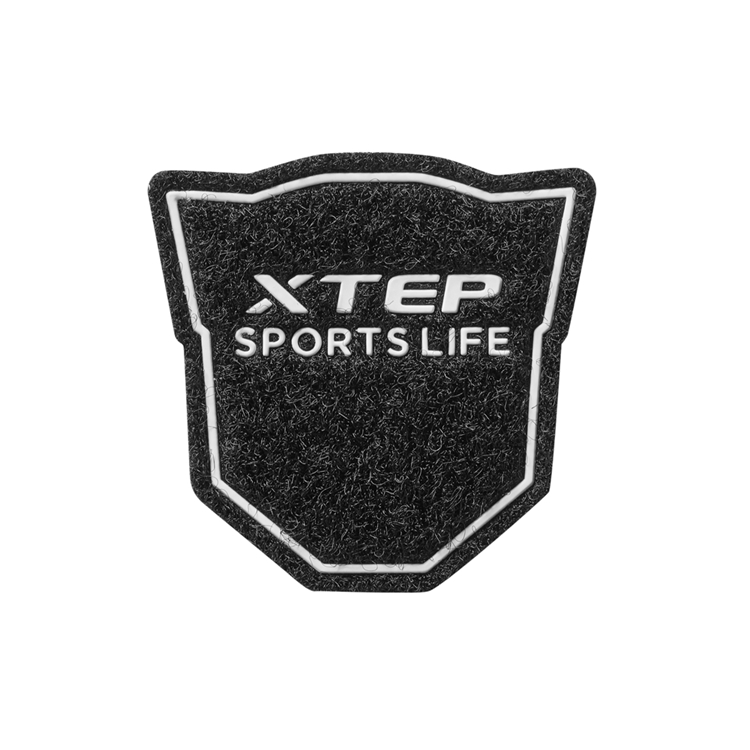
Design Element Breakdown
Hook and Loop Backing Architecture
The hook and loop backing represents the foundational design element that defines removable patch functionality. This two-part system uses hook strips with tiny rigid projections on the patch underside, which interlock with loop fabric featuring soft woven fibers on the target surface. Industrial-grade hook material contains multiple rows of molded nylon hooks shaped for maximum engagement with loop fibers while maintaining clean release upon peeling.
Backing construction incorporates multiple layers for structural stability. A rigid base layer prevents patch warping during repeated handling, while an adhesive bonding layer secures hook material permanently to the patch body. Edge sealing around the backing perimeter prevents delamination over time and ensures the hook material remains flat and uniformly attached across the entire patch surface. Standard backing coverage extends to within 1-2mm of patch edges for maximum attachment area without visible overhang.
Front Face Construction Options
Embroidered front faces use high-density polyester thread stitched onto woven twill bases. Thread counts range from 100 to 200 stitches per square centimeter depending on design complexity, with underlay stitching providing structure and preventing fabric puckering. Metallic and glow-in-the-dark thread options expand visual possibilities for specialized applications such as safety gear or nighttime identification.
PVC rubber front faces form through liquid molding processes that create fully waterproof and abrasion-resistant surfaces. 2D designs maintain uniform thickness across the entire patch, while 3D variations incorporate raised and recessed elements for tactile dimensionality. PVC material accepts Pantone color matching with high accuracy and resists fading from UV exposure, making it suitable for outdoor gear that faces constant sunlight and weather exposure.
Woven front faces use jacquard looms to interlace colored threads directly into the patch fabric, resulting in a smooth, thin profile with fine detail reproduction. This construction method works exceptionally well for intricate logos with small text or complex linework. The finished surface carries a slight texture from the weaving process and maintains flexibility that follows garment curves without stiffening.
Edge Finishing Techniques
Merrowed edges use an overlock stitching process that wraps thread around the raw patch perimeter, creating a raised, rounded border that prevents fraying and gives a classic finished appearance. This technique works with embroidered and woven patches and provides structural reinforcement along the entire edge. Stitch density along merrowed borders measures approximately 8-10 stitches per centimeter for consistent, professional appearance.
Laser-cut edges produce clean, sharp borders with zero stitch bulk, ideal for PVC and printed patches. Precision laser cutting seals synthetic material edges simultaneously, preventing unraveling and creating a seamless transition from patch face to backing. This technique supports custom shapes and irregular outlines that would prove difficult or impossible with traditional stitched borders.
Die-cut edges use steel rule dies to punch patches from sheet material, producing uniform shapes at high production volumes. This method works with multiple material types and creates smooth, flat edges that sit close to garment surfaces. Heat sealing after die cutting further reinforces synthetic fabric edges against wear and washing cycles.
Modular Interchangeability Engineering
Removable patches incorporate standardized sizing conventions that enable cross-compatibility between different manufacturers and gear types. Common dimensions align with industry-standard loop panels on tactical vests, backpack shoulder straps, and uniform pockets. This standardization allows users to build collections of patches that work across multiple garments and equipment pieces without modification.
Alignment design features include consistent backing placement and edge-to-backing margin ratios that ensure patches sit properly when pressed onto loop surfaces. Centering guides built into production tooling maintain uniform hook material positioning within each patch shape, preventing misalignment issues that could cause partial lifting or uneven wear patterns.
Durability and Wear Resistance Engineering
Reinforced backing layers add structural rigidity that prevents patch curling and bending during repeated removal and reapplication. PVC patches incorporate internal fabric scrim for dimensional stability, while embroidered patches use heavy twill bases with fusible interfacing to maintain flat shape over time. These structural elements ensure patches continue seating properly against loop surfaces even after hundreds of attachment cycles.
Weather-resistant formulations protect patch materials from environmental degradation. UV stabilizers in PVC and printed patches prevent color fading from sun exposure, while water-repellent thread coatings on embroidered options reduce moisture absorption that could lead to mildew or stiffness. Temperature resistance ratings cover typical operating ranges from sub-freezing conditions to elevated summer heat.
Product Specifications
Physical Dimensions and Standard Sizes
|
Patch Shape
|
Standard Sizes
|
Typical Thickness
|
Recommended Loop Panel Size
|
|
Rectangle
|
50×25mm, 80×50mm, 100×50mm
|
1.5–3.0mm
|
55×30mm, 85×55mm, 105×55mm
|
|
Square
|
50×50mm, 75×75mm, 100×100mm
|
1.5–3.5mm
|
55×55mm, 80×80mm, 105×105mm
|
|
Circle
|
25mm, 50mm, 75mm diameter
|
1.5–3.0mm
|
30mm, 55mm, 80mm diameter
|
|
Custom Shape
|
Maximum 200mm on longest side
|
1.5–4.0mm
|
+5mm clearance on all sides
|
Standard thickness varies by construction type. Embroidered patches typically measure 1.8–2.5mm total thickness including backing, while 3D PVC patches can reach 3.5–4.0mm at the highest raised points. Woven patches maintain the lowest profile at approximately 1.2–1.8mm overall thickness.
Material Technical Specifications
|
Material Type
|
Composition
|
Temperature Range
|
Wash Resistance
|
UV Resistance Rating
|
|
Polyester Embroidery Thread
|
100% high-tenacity polyester
|
-20°C to 80°C
|
50+ cycles
|
Grade 4–5
|
|
PVC Rubber
|
Soft PVC compound (PVC + plasticizer)
|
-30°C to 60°C
|
100+ cycles
|
Grade 5
|
|
Woven Polyester Twill
|
Polyester warp/weft blend
|
-20°C to 90°C
|
80+ cycles
|
Grade 4
|
|
Nylon Hook Backing
|
Injection-molded nylon hooks
|
-30°C to 70°C
|
100+ cycles
|
Grade 4–5
|
|
Polyester Loop Fabric
|
Woven polyester loop fibers
|
-30°C to 70°C
|
100+ cycles
|
Grade 4
|
Hook backing peel strength measures a minimum of 12 N/cm² when mated with compatible loop fabric under standard conditions. Shear resistance exceeds 25 N/cm² to prevent sliding under lateral forces. Cycle testing confirms retention of 80% or more original peel strength after 500 attach-and-remove cycles with proper care.
Attachment Type Comparison
|
Attachment System
|
Installation Effort
|
Removal Cleanliness
|
Reusability Cycles
|
Security Level
|
Best Application
|
|
Hook and Loop
|
None after loop installed
|
Perfect, no residue
|
500+ cycles
|
High under normal use
|
Tactical gear, uniforms, bags
|
|
Self-Adhesive Peel & Stick
|
Minimal, press on
|
May leave light residue
|
1–5 removals
|
Medium for indoor use
|
Temporary events, decor
|
|
Magnetic Backing
|
Instant placement
|
Clean, no contact marks
|
Unlimited
|
Low, for light use only
|
Thin fabrics, display items
|
|
Snap Fastener
|
Requires hardware install
|
Completely clean
|
1000+ cycles
|
Very high
|
Heavy-duty apparel, leather
|
Hook and loop systems dominate the removable patch category due to their balanced combination of security, reusability, and ease of swapping. Self-adhesive variants serve temporary applications where permanent loop installation is impractical. Magnetic options work best on thin, delicate fabrics where pressure-based attachment could cause damage.
Application Scenarios and Usage
Tactical and Uniform Applications
Military and law enforcement personnel rely on removable patches for unit identification, rank display, and mission-specific marking. The ability to swap patches between different uniforms and gear pieces streamlines equipment rotation and reduces the need for multiple identical insignias. Medical identification patches carrying blood type or allergy information attach to tactical vests and backpacks for quick access during emergency situations.
Team identification patches support unit cohesion and rapid visual recognition during operations. Different colored or shaped patches distinguish between squads, roles, or clearance levels without requiring separate uniform sets. The quick-detach nature of the system allows personnel to remove identifying markers when operational security requires lower visibility profiles.
Fashion and Personal Expression
Streetwear and casual fashion brands incorporate removable patches into jacket designs, allowing customers to customize their garments according to personal preference. Limited-edition patch drops create collectible items that drive engagement and repeat purchases. Consumers build patch collections that work across multiple jackets, backpacks, hats, and accessories, extending the versatility of each individual piece.
DIY enthusiasts use removable patches to refresh old clothing and gear without sewing skills. Vintage denim jackets, backpacks, and baseball caps receive new life through strategically placed patches that cover wear marks or simply update aesthetic style. The non-permanent nature means experimentation carries no risk—users can rearrange layouts until achieving the desired visual composition.
Corporate and Promotional Use
Companies distribute custom removable patches as branded merchandise at trade shows, conferences, and product launches. Unlike stickers or printed flyers, patches become functional items that recipients use and display on daily carry items, extending brand exposure over months or years. Employee uniform programs deploy removable patches for department identification, certification badges, and achievement awards that update as roles change.
Event organizers create commemorative patches for festivals, races, and community gatherings. Attendees collect patches from multiple events and display them on dedicated bags or jackets, creating tangible mementos that carry stronger perceived value than paper tickets or wristbands. Sponsor logos appear on event patches as an alternative form of advertising that reaches engaged audiences.
Outdoor and Recreational Gear
Hikers, campers, and backpackers use removable patches to personalize outdoor equipment while maintaining full gear functionality. Blood type, emergency contact, and medical alert patches attach to pack shoulder straps for visibility during backcountry trips. National park, trail, and summit patches serve as achievement markers that adventurers add to their gear after completing routes.
Sports teams and club programs use removable patches for uniform identification that updates seasonally. Player numbers, team logos, and league patches swap between practice jerseys and game uniforms, reducing the total number of garments each player needs. Youth sports programs benefit especially from the system as children grow and change sizes each year.
Installation and Care Guidelines
Loop Panel Installation
For permanent loop placement on fabrics, sew around the entire panel perimeter using matching thread. Adhesive-backed loop works on smooth, non-porous surfaces but requires pressure and curing time for full bond strength. Heat-activated adhesive loop materials bond permanently to most synthetic fabrics when applied with a heat press at 150–165°C for 10–15 seconds.
Position loop panels on flat, reinforced areas of garments or gear where patches will receive minimal flexing and friction. Avoid placement over seams, pockets, or curved surfaces that could prevent full patch contact and reduce holding strength. Clean the application surface thoroughly before installing loop material to remove dirt, oils, and fabric treatments that could interfere with adhesion.
Patch Attachment and Removal Technique
Press removable patches firmly onto loop surfaces starting from the center and working outward to eliminate air pockets and ensure full hook engagement. Apply even pressure across the entire patch area for maximum holding strength. For initial attachment, press and hold for several seconds to allow hooks to settle fully into loop fibers.
Remove patches by peeling steadily from one corner rather than pulling directly outward from the center. This angled approach reduces stress on both hook and loop components and prevents stretching or distortion of patch materials. Avoid yanking patches quickly, as this can bend edges or cause hook fibers to break off over repeated cycles.
Cleaning and Maintenance
Wash garments with removable patches attached inside out on gentle cycles using mild detergent and cold or warm water. High heat from hot water and dryers can degrade adhesive layers and soften PVC materials over time. For heavily soiled patches, remove from garments and clean separately with a soft brush and mild soap solution, then air dry completely before reattachment.
Inspect hook backing periodically for lint, thread, and debris that can accumulate and reduce holding strength. Use a stiff brush or tape to remove debris from hook surfaces and restore full grip capability. Store patches flat in cool, dry locations away from direct sunlight when not in use to prevent material degradation and edge curling.
Selection and Customization Guidance
Choosing the Right Construction Type
Embroidered patches deliver classic texture and premium appearance ideal for uniforms, heritage brands, and applications where traditional aesthetic matters. They handle curved surfaces well and maintain flexibility with garment movement. Consider embroidered construction when designs feature bold shapes, limited colors, and text larger than 5mm in height.
PVC patches offer maximum durability and weather resistance for outdoor gear, industrial workwear, and tactical equipment. They support 3D sculpting and fine detail at small sizes and carry a modern, technical aesthetic. PVC construction works best for designs with solid color blocks, raised elements, or requirements for waterproof performance.
Woven patches produce the finest detail reproduction with smooth, thin profiles suitable for intricate logos and small text. They sit flush against garment surfaces without bulk and work well on dress shirts, blazers, and professional attire. Select woven construction for designs with gradient effects, fine linework, or very small lettering that embroidery cannot replicate cleanly.
Size and Placement Recommendations
Chest-level patches on shirts and jackets typically measure 80–100mm on the longest dimension for optimal visibility without overwhelming the garment. Shoulder patches range from 50–75mm to fit standard shoulder panel proportions. Hat front patches usually measure 70–90mm wide to follow the curve of standard baseball cap crowns.
Consider viewing distance when determining patch size. Identification patches meant for close-range reading can use smaller dimensions, while branding patches intended for visibility across rooms or outdoor spaces require larger sizing. Maintain minimum text height of 4mm for embroidered patches and 2mm for PVC or woven options to ensure legibility.
Color and Artwork Preparation
Supply vector artwork files for the most accurate production results. Pantone color codes ensure consistent color matching across production runs and different patch types. Process color printing and dye sublimation support full-color photographic imagery on printed patch variants, while solid color embroidery and PVC use spot color matching.
Simplify complex designs when necessary to match production capabilities of each construction method. Embroidery works best with bold shapes and limited color counts, while PVC supports more intricate cutouts and layered elements. Design with backing dimensions in mind and avoid placing critical visual elements too close to edges where they might fall outside hook coverage areas.
Frequently Asked Questions
Removable patches work on most fabric types as long as a compatible loop surface exists. Delicate fabrics like silk and satin may not support permanent loop installation without damage, so magnetic or adhesive-backed patches serve as better alternatives for those materials. Heavy canvas, nylon, and polyester fabrics handle loop installation perfectly and maintain strong holding power over time.
Washing machine compatibility depends on patch construction and attachment method. Hook and loop patches withstand regular washing when properly attached and washed on gentle cycles. Adhesive-only removable patches may degrade with repeated washing and work better for temporary applications that do not require laundering. Always remove patches before dry cleaning, as solvent chemicals can damage certain materials.
Custom design production typically requires 7–15 business days depending on construction type and order quantity. Digital mockups usually arrive within 48 hours of artwork submission for approval before production begins. Rush services may be available for urgent orders with expedited production and shipping options.
Minimum order quantities vary by patch type and customization level. Standard stock designs often ship with no minimum purchase requirement. Fully custom embroidered and PVC patches usually require minimum quantities starting at 50–100 pieces per design. Complex custom shapes and specialty materials may have higher minimum order thresholds.
Removable patches deliver versatile, cost-effective solutions for branding, identification, and personalization across countless applications. Their engineered attachment systems balance secure holding strength with clean removability, supporting repeated use across multiple garments and gear items without permanent modification. With multiple construction options available—from classic embroidery to rugged PVC and precision woven styles—removable patches adapt to every aesthetic preference and performance requirement.
Quality manufacturing processes ensure consistent sizing, color accuracy, and durability that stands up to daily wear and environmental challenges. Proper installation and regular maintenance extend patch service life and preserve holding strength through hundreds of swap cycles. Whether outfitting an entire team uniform program, building a promotional merchandise collection, or simply personalizing everyday carry items, removable patches provide flexible functionality with professional visual results.
Iron Patch On Shirt Enhance Your Apparel With Custom Durable Designs
Custom Stickers Waterproof Durable Labels for Every Surface




SEND MESSAGE