

How to Choose PVC Rubber Patch in 2026
2026-01-22
Table of Contents
Choosing high-quality PVC rubber patches is crucial for both practicality and brand value. A well-made patch resists wear and tear, maintains its color and shape over time
I. Introduction
PVC rubber patches have become indispensable accessories in fashion, industrial, and daily life scenarios, with their application scope expanding steadily in 2026. From brand logos on streetwear jackets to functional labels on industrial equipment, these patches combine durability and aesthetics, making them a popular choice for businesses and individuals alike. The 2026 market sees a shift toward eco-friendly materials and smart integration, driving new demands for product selection.
II. Clarify Your Core Requirements
2.1 Application Scenarios
The first step in choosing a PVC rubber patch is to define its application scenario, as this determines key performance indicators. For clothing such as jackets, jeans, and hats, patches should be lightweight and flexible to avoid restricting movement. In contrast, patches for accessories like bags, shoes, and belts need higher wear resistance to withstand frequent friction.
Indoor and outdoor use also differ significantly in requirements. Outdoor patches must resist rain, sunlight, and temperature fluctuations, so waterproof and UV-resistant properties are essential. Indoor patches, however, focus more on aesthetics and basic durability, as they are less exposed to harsh environments.

Industrial use demands specialized functions such as corrosion resistance and high-temperature resistance, especially for patches on machinery or protective gear. Daily use patches, by comparison, prioritize comfort and appearance, with softer materials and more diverse designs.
2.2 Design Specifications
Size, shape, and thickness should align with the carrier’s characteristics. A large, thick patch may look bulky on a thin hat, while a small patch may be inconspicuous on a heavy jacket. Common thickness ranges from 1mm to 5mm in 2026, with 2-3mm being the most versatile for daily use.
Color and pattern accuracy directly affect brand expression. When selecting, ensure the patch’s colors match the brand’s color palette, and the pattern details are clear without blurring. With advanced printing technology in 2026, high-precision color matching and intricate patterns are achievable, but they may increase production costs.

The choice between 2D and 3D effects depends on design goals. 2D patches are flat, cost-effective, and suitable for simple logos. 3D patches, with embossed or raised details, create a tactile and visual impact, making them ideal for premium brands or decorative purposes. Mixed craftsmanship, combining 2D printing and 3D embossing, is a rising trend in 2026.
2.3 Functional Demands
Basic functions like wear resistance, scratch resistance, and waterproofing are non-negotiable for most patches. Wear resistance ensures the patch survives repeated use, while scratch resistance maintains its appearance. Waterproofing prevents damage from moisture, a must for outdoor and accessory patches.
Special functions are tailored to specific needs. UV resistance is critical for outdoor patches, as prolonged sunlight exposure can cause fading and material aging. For children’s products, non-toxic, food-grade PVC is mandatory to meet safety standards. Flame retardancy is required for patches used in industrial or public safety gear.
III. Evaluate Product Quality
|
Quality Aspect
|
Key Focuses
|
Testing & Standards
|
2026 Trends & Requirements
|
|
PVC Material Quality
|
1. Raw material classification: food-grade (skin/children’s product contact) & industrial-grade (non-skin contact)
2. Material performance: softness, hardness, tensile strength, aging resistance 3. Eco-friendly attributes |
1. Regulatory compliance: EU REACH, US CPSIA
2. Hardness measurement: Shore A scale (50-80 for daily use) 3. Performance validation: tensile & aging resistance tests |
1. Prioritize recyclable PVC and low-VOC alternatives
2. Adopt biodegradable PVC (despite higher costs) 3. Meet consumer and regulatory demands for eco-materials |
|
Craftsmanship Quality
|
1. Molding processes: injection molding (mass production, high precision) & drop molding (3D/complex shapes)
2. Surface treatment: smooth finish, no burrs, color fastness, neat edges 3. Adhesion performance: firm bonding (iron-on) & reinforced edges (sew-on) |
1. Color fastness: 50+ wash cycles & prolonged sunlight exposure
2. Adhesion test: repeated washing & usage validation 3. Craft precision: no loose edges or unevenness |
1. Balance mass production efficiency and 3D effect customization
2. Ensure durable adhesion and long-term appearance retention 3. Control production costs while improving craftsmanship precision |
|
Quality Inspection Standards
|
1. Visual inspection: color deviation, bubbles, deformities, thickness uniformity
2. Physical testing: washing resistance, temperature resistance, scratch resistance 3. Certification verification |
1. Washing resistance: 50+ machine wash cycles
2. Temperature resistance: -20℃ to 60℃ stability 3. Certification compliance: OEKO-TEX Standard 100, ISO 9001 |
1. Implement strict multi-step inspection processes
2. Mandate international safety & quality certifications 3. Zero tolerance for minor flaws affecting appearance and durability |
IV. Select a Reliable Supplier
4.1 Supplier Qualifications
Production capacity matches your order needs. In 2026, many suppliers offer flexible MOQs, with small-batch orders (as low as 50 pieces) available for personalized designs. Large orders require suppliers with sufficient factory scale and production lines to meet delivery deadlines, typically 7-15 working days for standard orders.
Certifications reflect supplier reliability. ISO 9001 certification ensures strict quality control, while environmental management system certifications (e.g., ISO 14001) indicate a commitment to eco-friendly production. Suppliers with these certifications are more likely to deliver consistent, compliant products.
R&D capability adapts to new trends. Choose suppliers who can customize designs and integrate new craftsmanship, such as smart patches with QR codes or LED lights. Fast prototyping services, using 3D printing, allow you to test designs before mass production, reducing risks.
4.2 Supplier Reputation and Experience
Industry experience matters. Suppliers with 5+ years of experience in PVC rubber patch production have mature processes and a track record of solving common issues. Ask for case studies and customer reviews to verify their performance—positive feedback from well-known brands is a strong indicator of reliability.
Partnerships with reputable brands demonstrate credibility. Suppliers who have worked with fashion, sports, or industrial brands are familiar with high-quality standards and regulatory requirements. They can also provide valuable insights into design and material selection.
After-sales service ensures risk mitigation. A reliable supplier offers a clear return policy for defective products, prompt defect handling, and technical support for installation and use. Avoid suppliers with ambiguous after-sales terms, as they may be unresponsive to issues.
4.3 Cost-Effectiveness Analysis
Pricing structure depends on multiple factors. Material costs vary by grade—eco-friendly and food-grade PVC are more expensive. Craftsmanship, such as 3D molding and high-precision printing, adds to the cost. Quantity discounts are common: bulk orders (1000+ pieces) can reduce unit costs by 10-20%.
Balance cost and quality. Low-cost patches may use inferior materials and craftsmanship, leading to frequent replacements and higher long-term costs. Invest in mid-to-high-range patches for brand items or high-use scenarios, as they offer better durability and appearance.
Consider logistics costs in 2026’s global supply chain. Local suppliers may have lower shipping fees and shorter delivery times, while international suppliers offer more diverse designs. Factor in customs duties and delivery delays when choosing international suppliers.
V. Consider 2026 Industry Trends
Eco-friendly trends continue to dominate. Biodegradable PVC and recycled materials are no longer niche options, with more suppliers offering these alternatives. Brands are increasingly using eco-patches to enhance their sustainability image and meet consumer expectations.
Smart integration is a growing innovation. PVC patches with embedded QR codes, NFC chips, or LED lights enable interactive functions—consumers can scan QR codes to access brand stories or product information. These smart patches are popular in fashion and promotional items.
Customization upgrading caters to personalization demands. Fast prototyping with 3D printing allows small-batch, personalized patches in 2-3 days, ideal for independent designers and small businesses. Custom shapes, colors, and 3D effects are more accessible at lower costs in 2026.
VI. Post-Purchase Considerations
Proper storage preserves patch quality. Store patches in a cool, dry place, avoiding high temperatures (above 60℃), direct sunlight, and moisture. High temperatures can soften PVC, while sunlight causes fading and aging. Moisture may damage the glue of iron-on patches.
Correct installation ensures adhesion. For iron-on patches, use a medium-heat iron (150-180℃) and press firmly for 10-15 seconds, avoiding steam. For sew-on patches, use durable thread and reinforce edges to prevent fraying. Follow the supplier’s installation guidelines for best results.
Feedback and optimization improve future orders. After using the patches, evaluate their performance—note any peeling, fading, or durability issues. Communicate these with the supplier to adjust materials or craftsmanship for subsequent orders, ensuring continuous quality improvement.
VII. Conclusion
Choosing the right PVC rubber patch in 2026 requires a holistic approach, starting with clarifying core requirements based on application scenarios, design, and functions. Quality evaluation focuses on materials, craftsmanship, and compliance with 2026’s regulations and certifications. Selecting a reliable supplier with strong qualifications, reputation, and cost-effectiveness is equally important.
Embracing industry trends like eco-friendliness and smart integration can enhance the patch’s value and brand appeal. Post-purchase care and feedback ensure long-term satisfaction and quality optimization. By following these criteria, you can select PVC rubber patches that balance durability, aesthetics, and practicality, meeting your needs in 2026 and beyond.
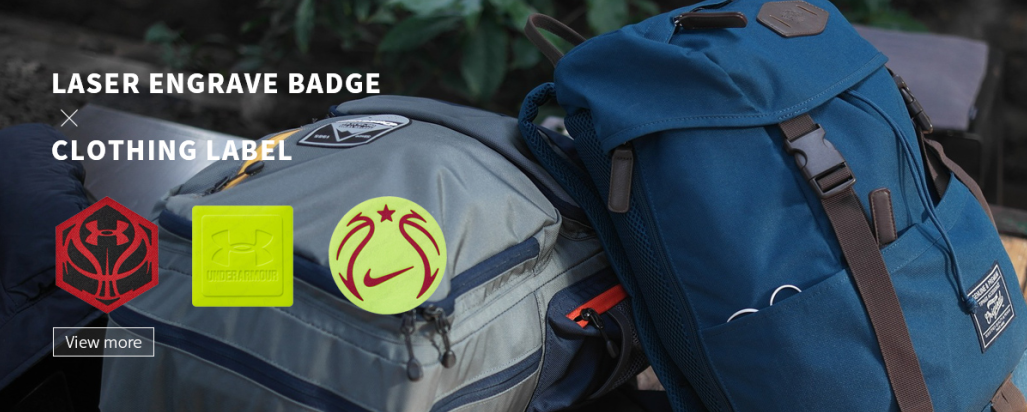
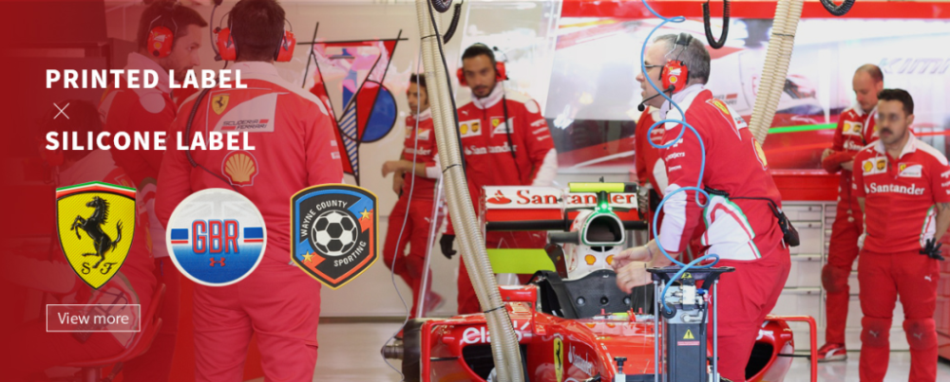
PEPHAWK is proud to highlight our integrated one-stop service—seamlessly combining professional design, R&D, and manufacturing capabilities to deliver cohesive, end-to-end solutions for our valued clients.
Our core product range covers a diverse selection of high-quality accessories and silicone-based items, including:
- Garment Accessories: Silicone Labels, Micro Fiber Labels, TPU Labels, Leather Labels
- Electronic & Lifestyle Gadgets: Silicone Mobile Phone Skins, Silicone MP3 Skins, Silicone Chaplets, Silicone Bracelets
Beyond our core offerings, we also connect clients with complementary products through our trusted affiliated companies, ensuring all your needs are met under one partnership.
What sets us apart is our specialized expertise in key manufacturing processes: Silk Screen Printing, High-Frequency Welding, Sublimation Printing, Seamless Fabric Processing, and Laser Cutting. These capabilities allow us to serve a wide array of industries—from garments, shoes, caps, and gloves to electronic devices, bags, and sporting equipment—with products that blend durability, functionality, and aesthetic appeal.
At PEPHAWK, customer satisfaction is our top priority. We’re committed to providing responsive, thorough support, and guarantee a same-day response to all inquiries—no exceptions. You can rely on us for consistent quality, reliable delivery, and a partnership that’s as efficient as it is trustworthy.
Whether you’re looking for custom apparel labels, protective silicone skins, or tailored manufacturing solutions, PEPHAWK has the expertise and flexibility to bring your vision to life.
Differences Between Various Types of 3D Puff Patches
Beyond Stitches & Ink: The Hidden Magic of Sublimated Patches




SEND MESSAGE