Essential Guidelines for Applying Silicone Heat Transfer Louis Vuitton Patches
Enhance your outfits with Louis Vuitton iron-on patches. Browse our selection to find the perfect designs that add a luxurious flair to your fashion.
Silicone heat transfer patches have gained popularity in fashion customization, offering a 3D effect with a soft, flexible texture that adheres seamlessly to fabrics. While luxury brands like Louis Vuitton do not officially produce iron-on patches for consumer use, third-party manufacturers create imitation silicone transfer labels that enthusiasts often apply to bags, jackets, and accessories. These DIY projects require precision to avoid damaging both the fabric and the patch’s aesthetic integrity. This article outlines critical precautions when applying silicone heat transfer Louis Vuitton patches to fabric, ensuring professional results while preserving the material’s longevity.
Temperature Control: The Foundation of Successful Application
Optimal Heat Settings
Silicone heat transfer patches demand strict temperature management during application. Excessive heat can melt the silicone or scorch delicate fabrics, while insufficient heat may result in poor adhesion. For most silicone patches, a heat press should be set between 130°C and 160°C, depending on the patch thickness and fabric type. Specifically, thinner fabrics like cotton tees require lower temperatures (130–140°C), whereas denser materials like denim or canvas tolerate up to 160°C.
Avoid Direct Heat Exposure
Never place the heating element directly onto PVC or silicone surfaces, as this can cause bubbling or distortion. Instead, use a protective silicone mat or parchment paper between the heat press and the patch to distribute heat evenly. This precaution is critical for maintaining the intricate details of Louis Vuitton’s iconic monogram patterns.
Pressure Application: Ensuring Uniform Adhesion
Consistent Pressure Distribution
Uniform pressure during heat pressing is non-negotiable for silicone transfers. Inconsistent pressure leads to patch edges lifting or incomplete bonding, particularly on textured fabrics. Use a heat press with adjustable pressure settings, applying 1–2.5 kg/cm² for 8–15 seconds to ensure the adhesive melts evenly without squeezing out from the sides.
Supportive Backing for Delicate Fabrics
When working with stretchable or heat-sensitive materials (e.g., polyester blends), place a firm support board beneath the fabric to prevent warping. This technique stabilizes the fabric during pressing, reducing the risk of puckering or misalignment—a vital step for preserving the symmetry of Louis Vuitton’s geometric logos.
Fabric Compatibility: Selecting the Right Material
Avoiding Heat-Sensitive Fabrics
Not all textiles tolerate high-temperature transfers. Silk, nylon, and vinyl require specialized low-heat settings or are unsuitable altogether. Always test the patch on a fabric scrap first to assess compatibility. For instance, Louis Vuitton’s faux leather accessories often use synthetic coatings that degrade above 120°C, necessitating alternative attachment methods like stitching.
Pre-Treatment for Moisture-Prone Fabrics
Cotton and linen absorb moisture, which can weaken adhesive bonds during application. Pre-press the fabric for 3–5 seconds to eliminate residual humidity before placing the patch. This step prevents bubbling caused by trapped steam, a common issue when replicating luxury brand patches on natural fibers.
Post-Application Care: Preserving Longevity
Cooling and Curing Process
After pressing, allow the patch to cool completely before handling. Rushing this step can stretch the silicone or dislodge edges. For optimal durability, let the garment rest for 24 hours before wearing or washing to ensure the adhesive fully cures.
UV and Moisture Protection
Prolonged exposure to ultraviolet rays degrades silicone’s vibrancy and flexibility, causing logos to fade or crack. Store patched items in shaded, dry environments when not in use, and avoid machine drying. Hand-wash gently with mild detergent to prevent adhesive erosion—a crucial tip for maintaining the premium appearance of Louis Vuitton-inspired designs.
Avoiding Common Mistakes: Expert Tips
Misalignment and Shrinkage
Silicone patches may shrink slightly when heated. Position the patch 1–2 mm larger than the desired final size to account for this. Use heat-resistant tape to secure it in place before pressing, ensuring the monogram aligns perfectly with seams or pockets.
Overlooking Fabric Grain
Applying patches against the fabric’s grain direction can distort the design during wear. Always align the patch with the weave of the material, especially for structured items like tote bags. This subtle detail mimics the precision of authentic Louis Vuitton craftsmanship.
Conclusion: Balancing DIY Enthusiasm with Professionalism
While silicone heat transfer patches offer an accessible way to personalize garments with Louis Vuitton-inspired motifs, their application demands meticulous attention to temperature, pressure, and material science. By adhering to these guidelines—rooted in industry best practices for silicone transfers—you can achieve results that honor the brand’s legacy of quality. Remember, genuine Louis Vuitton products rely on stitching and embossing rather than heat transfers; thus, these techniques are best reserved for creative homages, not counterfeiting. With patience and precision, your DIY project can reflect the elegance synonymous with the iconic maison.
When confronted with the task of producing intricate design drafts of the highest quality, PEPHAWK is here to provide the perfect solution. With over 16 years of industry experience and our esteemed general manager boasting 31 years of expertise in the silicone industry, we are the ultimate choice for tackling your challenging logo design projects. Select PEPHAWK for our unmatched proficiency and rest assured in the impeccable outcomes we consistently deliver.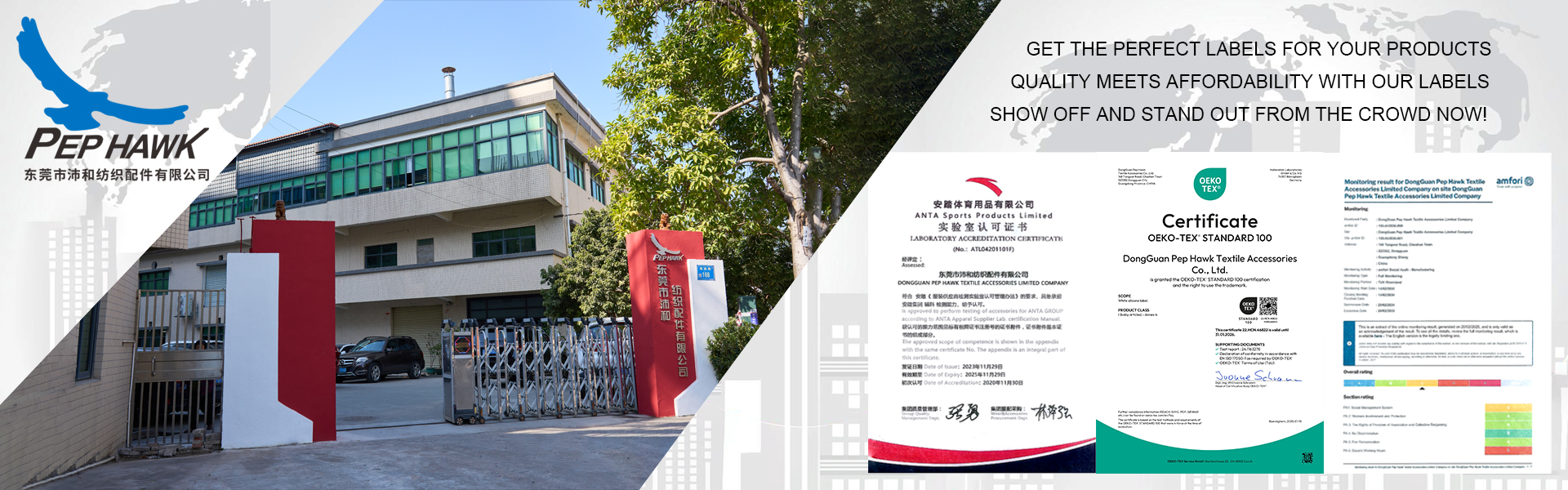
Contemporary Logo Concepts for Prada Patch Collections
Louis Vuitton's 2025 Patch Collection Redefines Luxury Streetwear