

Designing Premium Large Patches for Clothing Labels and Logos in Sustainable Fashion
Upgrade your clothing with our stylish large patches. Ideal for repairs or creative expression, find the perfect patch to showcase your personality!
In the evolving landscape of fashion branding, large patches for clothing labels and logos have emerged as powerful tools for brand identity expression. This article explores the strategic considerations and emerging trends in designing premium large patches, with a particular focus on sustainability imperatives that are reshaping the industry in 2023-2025.
1. Sustainability: The Driving Force in Patch Design
Sustainability has become a pivotal trend shaping the future of custom patches in the fashion industry. As environmental consciousness grows among consumers, brands must integrate eco-friendly practices into their patch design strategies. The shift toward circular fashion—designing products with reuse, recycling, and repurposing in mind—is fundamentally changing how patches are conceptualized and manufactured.
Fashion brands are increasingly embracing eco-friendly textiles such as organic cotton, bamboo, and recycled polyester for their patch designs. This transition from synthetic fibers to sustainable alternatives represents a significant industry shift that directly impacts patch production methodologies. Forward-thinking manufacturers have already introduced new lines of eco-friendly embroidered patches utilizing 100% recycled materials, signaling the direction of future innovation.
2. Strategic Design Considerations for Large Patches
When designing large patches for clothing labels and logos, size optimization is critical. The patch must be sufficiently large to display the logo clearly while avoiding overwhelming the garment or accessory it adorns. This balance ensures brand visibility without compromising the aesthetic integrity of the clothing item.
The growing trend toward biodegradable, recyclable, and non-toxic materials in sustainable fashion directly influences patch material selection. Designers must consider not only visual appeal but also the environmental footprint of their material choices throughout the product lifecycle.
3. Emerging Sustainable Textile Technologies
Five key sustainable textile trends are particularly relevant to patch design:
-
Circular Fashion Integration: Designing patches with end-of-life considerations, ensuring they can be easily removed and recycled separately from the garment.
-
Biodegradable Material Adoption: Utilizing natural fibers that break down safely after disposal, reducing landfill impact.
-
Digital Printing Advancements: Implementing water-efficient digital printing techniques that minimize chemical usage and waste.
-
Recycling and Upcycling Practices: Incorporating post-consumer recycled materials into patch construction while maintaining quality standards.
-
Regenerative Material Sourcing: Moving beyond sustainability to materials that actively improve environmental conditions through their production.
4. Strategic Brand Value Enhancement
Large patches represent more than mere identifiers—they serve as strategic brand touchpoints that communicate corporate values. With increasing regulatory pressures on environmental claims, brands must ensure their patch designs authentically reflect their sustainability commitments.
The visual prominence of large patches offers unparalleled opportunity for storytelling. Brands can leverage these design elements to showcase their environmental initiatives, ethical manufacturing processes, and community engagement—transforming simple labels into powerful narrative devices.
5. Market Differentiation Through Innovation
In a competitive marketplace, innovative patch design serves as a key differentiator. The most successful brands are those that integrate functionality with sustainability—creating patches that not only look premium but also contribute to the garment's longevity and environmental performance.
Brands should consider developing interactive patches that connect physical products to digital experiences, enhancing customer engagement while providing transparency about the product's sustainable attributes. This approach aligns with the growing consumer demand for authenticity and traceability in sustainable fashion claims.
6. Operational Excellence in Sustainable Production
Optimizing delivery systems to reduce emissions represents another critical consideration for brands incorporating large patches into their collections. The transportation footprint of patch components must be factored into overall sustainability calculations.
Manufacturers are responding with localized production networks that minimize shipping distances while maintaining quality standards. This regional approach not only reduces carbon emissions but also supports local economies and craftsmanship traditions.
7. Future Outlook and Strategic Recommendations
The trajectory for large patch design points toward increasingly sophisticated integration of sustainability metrics into the design process. Brands that lead in this space will establish themselves as industry innovators while meeting evolving consumer expectations.
Key recommendations for fashion brands:
- Conduct comprehensive lifecycle assessments of patch materials
- Collaborate with suppliers specializing in sustainable textile innovations
- Implement transparent communication about patch sustainability credentials
- Balance aesthetic considerations with environmental impact
- Invest in R&D for next-generation sustainable patch technologies
Conclusion
The strategic design of large patches for clothing labels and logos represents a confluence of brand identity, consumer engagement, and environmental responsibility. As sustainability moves from optional consideration to business imperative, brands that thoughtfully integrate eco-conscious practices into their patch design strategies will gain competitive advantage in the evolving fashion marketplace.
By embracing circular design principles, innovative sustainable materials, and transparent production practices, fashion brands can transform what was once a simple identifier into a powerful statement of corporate values and environmental stewardship—ultimately creating deeper connections with increasingly conscious consumers.
When confronted with the task of producing intricate design drafts of the highest quality, PEPHAWK is here to provide the perfect solution. With over 16 years of industry experience and our esteemed general manager boasting 31 years of expertise in the silicone industry, we are the ultimate choice for tackling your challenging logo design projects. Select PEPHAWK for our unmatched proficiency and rest assured in the impeccable outcomes we consistently deliver.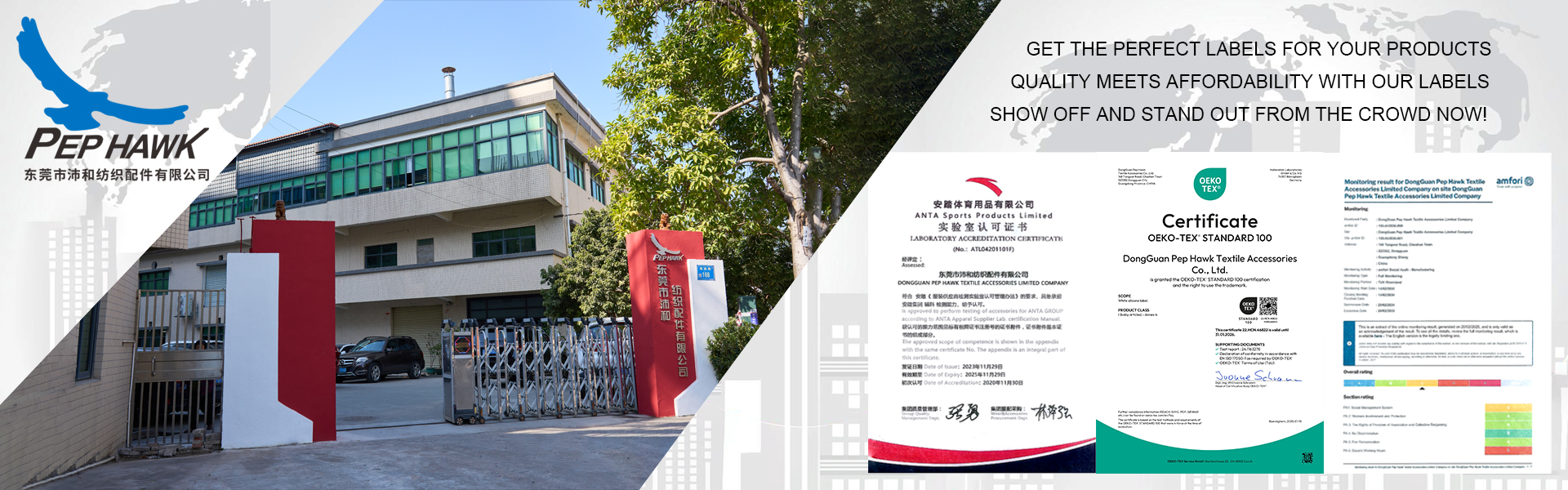
Rich Design of Leather Vest Patches: Strategic Insights for Label Logo Products
How Patches India is Revolutionizing Brand Labels



