

Patch Your Path Silicone Logo Hiking Patch
A silicone logo hiking patch is not just another piece of decoration. It is a three-dimensional, weatherproof emblem engineered to withstand mud, rain, rock scrapes, and relentless UV exposure.
Table of Contents
- Why a Silicone Logo Wins the Trail Game
- Design Element Breakdown
- Integrating the Patch into Your Outdoor Gear System
- Silicone Logo versus the Alternatives on the Trail
- Sustainability and Health Implications
- How to Choose the Right Hiking Patch Supplier
- Expanding Your Silicone Logo Patch Collection
- Care and Maintenance for Decades of Life
Whether you are a thru-hiker wanting to label your ultralight pack, a gear brand looking for a premium identity marker, or a scout troop aiming for durable morale patches, understanding why this product outshines every other option will change how you look at outdoor customization.
In this deep dive, we will walk through the anatomy of a superior hiking patch, break down every design element that makes the silicone logo version a trail beast, and provide you with precise tables of product parameters and performance specs. We will cover everything from 3D molding to adhesive bonding strength so you can make an informed choice.
Why a Silicone Logo Wins the Trail Game
Before we cut into the design elements, let us address the fundamental question. Why should you use a silicone logo for your hiking patch instead of woven, PVC, or rubber alternatives? The answer lives in the molecular structure of silicone. Silicone is inert, flexible across extreme temperatures, and naturally resistant to water and UV light. When you turn that material into a hiking patch, you get a product that does not absorb moisture, does not become brittle in freezing summits, and does not fade after one summer of hiking. Moreover, silicone can be molded into intricate, high-relief shapes that fabric patches simply cannot replicate. This gives your logo a tactile, premium feel that instantly communicates quality. A silicone logo hiking patch is not just seen; it is touched, and that sensory experience builds a powerful connection with your brand.
Design Element Breakdown
Now, let us dissect exactly what goes into crafting a world-class silicone logo hiking patch. Every single detail matters when the product needs to survive 2000 miles of Appalachian Trail sun or a muddy mountain bike descent.
Element 1: High Relief 3D Molding
The soul of a silicone logo hiking patch is its three-dimensional relief. Unlike flat prints, the logo rises from the base surface, often with multiple layers of height. The deepest base layer provides structural stability, the middle sections form the bulk of the design, and the uppermost details, such as lettering edges or animal whiskers, can be incredibly fine. This 3D molding is achieved through precision compression or injection molds that are custom fabricated from your artwork. The result is a hiking patch that casts real shadows and catches light differently as you move. That depth makes the logo readable from across the trail, even when covered in trail dust. The raised edges also protect the recessed painted areas from direct abrasion, significantly extending the life of the colors.
Element 2: Extreme Texture Control
Not all silicone feels the same. A top tier hiking patch allows you to choose the surface finish for each part of the design. You can combine a matte background with glossy, raised text to create contrast that works even in monochrome. Some elements can be given a fine stone like texture, while others feel smooth like polished river rock. This textural variation is what separates a premium silicone logo from a cheap, rubbery knockoff. On the trail, texture matters practically too. A slightly textured grip zone on a patch placed on a shoulder strap can prevent a hydration tube from slipping, adding a functional benefit to the branding. The tactile feedback when you run your thumb over your favorite hiking patch becomes a small, grounding ritual before you take the next step.
Element 3: Bridged Silicone Color Technology
With traditional fabric patches, colors are limited by thread hues and can appear dull when dirty. Silicone logo hiking patches use solid silicone pigments mixed directly into the raw material. This means the color is the material, not just a surface coating. Even if you scratch the patch on granite, the exposed layer below is the same color. Advanced production allows for tight bridging between colors. Imagine a mountain outline where the snowcaps are crisp white silicone sitting flush against a charcoal gray base, with zero bleeding between them because each color is a separate molded cavity fill. This bridged color technology enables intricate designs with extreme precision, making your hiking patch a piece of functional art.
Element 4: Strategic Adhesive Backing Systems
What good is the most beautiful silicone logo hiking patch if it falls off halfway up a canyon? The backing system makes or breaks the product. We use three primary attachment methods, often combinable depending on the gear surface. The first is a high-bond 3M acrylic adhesive designed for low surface energy plastics like the urethane coated nylon found on hiking packs. When properly applied with heat and pressure, this bond actually strengthens over the first 24 hours. The second method is a sew on channel. The patch can be molded with a thin, flexible silicone flange around the perimeter or with hidden needle holes that allow you to stitch it to canvas or leather without compromising the waterproof integrity of the main logo. The third is a hook and loop compatible back, where we mold a receptive surface that mates with the loop field on tactical packs. Each attachment method turns the hiking patch into a truly modular piece of kit.
Element 5: Edge Profile Engineering
Study a cheap patch under a magnifying glass and you will see a ragged, sharp edge that catches on everything and eventually curls. The edge profile of a professional silicone logo hiking patch is a deliberate design choice. We produce feathered edges that taper down to almost zero thickness at the very rim. This prevents clothing snags, reduces aerodynamic drag (yes, that matters for cycling patches), and creates a seamless look as if the logo is growing out of the fabric. For heavy duty hiking patches, a slightly thicker perimeter bead acts as a bumper, absorbing impacts before they reach the intricate inner design. Edge engineering is subtle but defines whether the patch looks integrated into the gear or like a stuck on afterthought.
Element 6: Hollow Back Weight Optimization
Ultralight backpackers cut their toothbrushes in half to save grams. They will not accept a heavy patch. Our silicone logo hiking patch uses a hollow back molding technique. Instead of a solid chunk of silicone, the rear face of the patch is engineered with a honeycomb or waffle pattern of voids. This reduces the weight by up to 40 percent compared to a solid logo of the same dimensions, while still providing a rigid platform for the adhesive. The air pockets also create a micro cushioning effect that helps the patch conform slightly to curved surfaces like a water bottle or a helmet. Weight optimization makes the hiking patch viable for gram conscious adventurers who still want a bold silicone logo statement on their ultralight tent or cuben fiber pack.
Element 7: Chemical and Weather Resistance Layers
A hiking patch lives in a brutal chemical environment. DEET insect repellent, sunscreen, sweat, bug spray, and acidic rainwater all attack standard materials. Silicone, however, is chemically inert. It will not dissolve, swell, or become tacky when exposed to DEET, which notoriously melts synthetic fabrics. Additionally, the silicone matrix can be infused with UV stabilizers during the mixing stage. These stabilizers are not a coating that wears off; they are part of the silicone logo body. The result is a hiking patch that can sit under the high altitude sun in Colorado or Patagonia for years without yellowing or fading. The weather resistance also includes an operational temperature range from minus forty degrees Celsius to two hundred thirty degrees Celsius, meaning it performs from deep winter expeditions to desert crossings.
Table 1: Core Product Parameters of a Standard Silicone Logo Hiking Patch
This table outlines the physical specifications you can expect for an off the shelf or custom molded hiking patch based on a typical 75mm by 50mm design.
| Parameter | Specification Detail | Measurement Standard |
|---|---|---|
| Material Composition | 100% Platinum cured silicone | FDA grade, BPA free |
| Standard Thickness | 1.5mm to 4.0mm (variable by layer) | Digital caliper, flat zone |
| Max Relief Height | Up to 3.0mm above base plane | Peak to valley measurement |
| Hardness | Shore A 40 to 60 | ASTM D2240 |
| Weight (75x50mm) | 6.5 grams (hollow back design) | Precision scale at 25°C |
| Density | 1.10 – 1.25 g/cm³ | Post cure specific gravity |
| Color Options | Pantone matching, unlimited custom blends | Visual spectrophotometer |
| Attachment Method | 3M 300LSE adhesive, sew on channel, or hook backing | Factory applied |
Understanding these core parameters allows you to compare a true silicone logo hiking patch against inferior PVC patches. PVC is heavier, lacks the temperature extremes, and often contains harmful phthalates that can off gas inside your tent. The hollow back weight optimization in a silicone patch is something PVC simply cannot replicate because of the material’s higher density and rigidity.
Table 2: Performance and Durability Parameters
Beyond the physical measurements, the real value of a silicone logo hiking patch lies in its dynamic performance under trail stress. These parameters are derived from internal accelerated aging tests and field feedback from long distance hikers.
| Performance Metric | Test Result | Test Method |
|---|---|---|
| Abrasion Resistance | No visible logo degradation after 5000 cycles | Martindale abrasion, 12kPa pressure |
| Adhesive Peel Strength (on nylon) | 32 N/cm after 72 hour dwell | 90 degree peel, ASTM D3330 |
| UV Aging (200 hours QUV) | Delta E color change less than 1.5 | ASTM G154, UVA 340 lamps |
| Cold Flex Fatigue | No cracking at 10,000 flex cycles at minus 20°C | Mandrel bend test |
| Chemical Immersion (DEET 24h) | No swelling, no tackiness, no bond failure | Immersion in 98% DEET |
| Water Absorption | Less than 0.1% by weight after 7 day immersion | ASTM D570 |
| Heat Resistance | Continuous 150°C without deformation | Hot oven sag test |
| Mold Resistance | Rating 0 (no growth) after 28 day incubation | ASTM G21 |
These numbers paint a clear picture. A silicone logo hiking patch is virtually immune to the things that destroy traditional patches. The peel strength of 32 Newtons per centimeter means you can hang a weight of over 3 kilograms from a typical 5 centimeter wide patch before the adhesive begins to creep. That level of grip, combined with the flexibility to move with the fabric, ensures your hiking patch stays anchored when you bushwhack through dense undergrowth.
Table 3: Customization and Ordering Parameters
For brands and groups looking to create their own silicone logo hiking patch, the manufacturing process requires specific parameters to ensure a flawless product. This table helps you prepare your design specifications.
| Customization Parameter | Available Range / Specification | Notes for Best Results |
|---|---|---|
| Patch Dimensions | 20mm x 20mm up to 300mm x 300mm | Larger patches gain significant weight reduction from hollow back |
| Logo Complexity | Up to 15 distinct raised layers | Each layer requires a mold cavity revision |
| Minimum Line Width | 0.5mm raised, 0.3mm recessed | Thinner lines possible but need Shore A 50+ silicone |
| Color Count | Single color to 8 color bridged | Each color is molded individually, no screen printing limits |
| Mold Type | Compression mold (lower volume) or injection mold (high volume) | Injection mold has higher upfront cost, lower unit cost |
| Backing Choices | 3M adhesive, sew on, Velcro loop, magnetic, or none | Adhesive backing ships with a protective liner |
| Production Lead Time | 15 to 25 business days after mold approval | Includes mold making, sampling, and mass production |
| Packaging Options | Individual polybag, header card, or bulk pack | Environmentally friendly, recyclable card options available |
When you submit your artwork for a silicone logo hiking patch, focus on clean vector files with clearly separated color layers. The mold making process translates every path into a steel cavity. The more precise the art, the crisper the final hiking patch. The ability to mold a bridge between a tiny island of color and the main body is a key advantage of silicone. For instance, the center of the letter "O" can remain connected without a visible tie bar, which is impossible with metal stamping and difficult with embroidery.
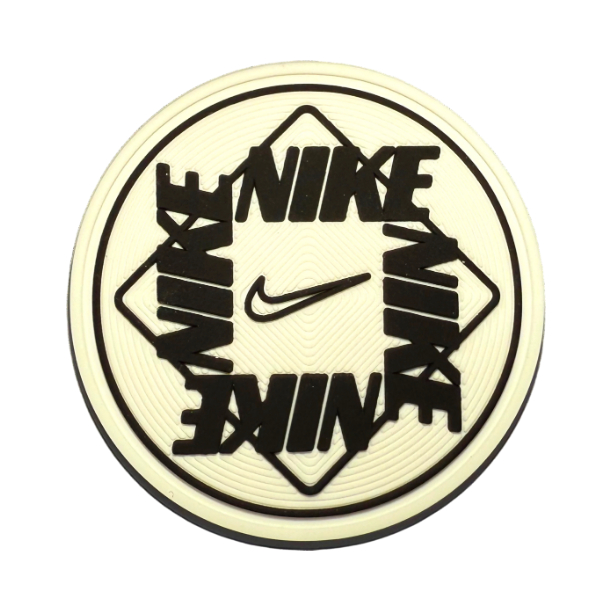
A product is rarely just a product. A silicone logo hiking patch becomes a talisman. It marks the summit you bagged, the club you belong to, or the company you built in a garage and now see on the trails. When you gift a hiking patch to a customer or a fellow hiker, you are giving them something designed to outlast the very gear it is attached to. We have seen patches transferred from worn out backpacks onto new ones, the silicone logo still vibrant while the pack fabric around it had sun rotted away. That longevity creates brand loyalty that cannot be bought with mere advertising.
Integrating the Patch into Your Outdoor Gear System
Application technique matters. For the strongest bond with a silicone logo hiking patch using 3M adhesive, you must prepare the fabric. Clean the surface with a 70% isopropyl alcohol wipe and let it evaporate completely. The fabric should be at room temperature, ideally above 15 degrees Celsius. Press the patch firmly in place and apply sustained pressure for 15 seconds. Then, and this is the critical step, let the gear rest untouched for 24 hours. The adhesive needs time to flow into the microscopic pores of the nylon or polyester. After full cure, the patch is washable. While the silicone itself can handle machine washing, to preserve the adhesive bond over hundreds of cycles, turning the pack inside out or placing it inside a mesh laundry bag is recommended. The sew on channel option naturally remains washing proof without any special care.
Silicone Logo versus the Alternatives on the Trail
Let’s put this into a quick comparative context. An embroidered hiking patch absorbs water, adds weight when wet, and the threads eventually snag and unravel. A printed rubber PVC patch can be printed in fine detail, but it will harden in the cold, ooze plasticizers in the heat, and has a significant environmental footprint. A laser engraved leather patch looks beautiful but falls apart when repeatedly soaked and dried. The silicone logo hiking patch stands alone as the option that maintains its structural integrity, color saturation, and attachment strength across an incredibly wide range of conditions. For gear that encounters rivers, blazing sun, and the scrubbing of tent poles and climbing ropes, silicone is not just an upgrade; it is the only logical choice.
Sustainability and Health Implications
In an era where we scrutinize what goes into our outdoor products, a silicone logo hiking patch offers peace of mind. Platinum cured silicone contains no bisphenol A, no phthalates, and no organic solvents. It does not off gas volatile organic compounds. If the patch eventually ends its life after a decade of use, silicone degrades into amorphous silica, water, and trace amounts of carbon dioxide when incinerated at appropriate facilities, leaving no microplastic residue like a polyester patch would. This environmental consciousness extends to the production floor, where silicone molding generates minimal waste. Uncured material can be reground and blended back into the process, whereas the cut offs from PVC patches often become toxic waste. For brands committed to responsible manufacturing, choosing a silicone logo for your hiking patch aligns your physical branding with your environmental philosophy.
How to Choose the Right Hiking Patch Supplier
You now know the design elements and parameters that define excellence. When sourcing a silicone logo hiking patch, ask your supplier specific questions. Can you show me the cross section of the edge profile? Is the color bridged or manually filled? What is the exact Shore hardness of the material you use? Request a sample pack that has been exposed to actual outdoor use, not just a fresh mold. Check the adhesive datasheet. A legitimate manufacturer will proudly share a technical data sheet for the 3M transfer tape being used. Look at the back of the patch. A well designed hollow back looks clean and uniform, not lumpy. The presence of a thin flash or mold line on the side indicates a lower cost mold that may not have the precision for a sharp logo. Remember, you want your hiking patch to perform like a piece of technical gear, because on the trail, it is one.
Expanding Your Silicone Logo Patch Collection
Once you experience the durability and pop of your first hiking patch, it is natural to want more. A set of skill badges for conquering certain peaks, a wildlife series for your field guides, or a complete branded series of patches for different product lines all make sense. Silicone patches can incorporate glow in the dark phosphorescent pigments. Imagine a tent logo that softly glows all night, eliminating the need for a reflective guy line clip. You can design a silicone logo hiking patch with thermochromic pigments that change color when you pour hot coffee into your thermos. The possibilities extend far beyond static color. This is the frontier of gear personalization, and silicone is the medium that makes it possible.
Care and Maintenance for Decades of Life
Your silicone logo hiking patch needs almost no maintenance. A rinse with clean water and a soft brush removes dried mud from the recessed areas. Avoid using petroleum based solvents like kerosene directly on the patch, though incidental contact with fuel from a camp stove usually wipes away without damage because silicone is not dissolved by most hydrocarbons in short term exposure. Store your gear with the patches not under heavy compression to avoid a permanent set in the adhesive, though the patch itself will spring back. If you ever need to remove a sewn on silicone logo hiking patch, a seam ripper works easily through the flange holes without damaging the surrounding fabric. The patch itself can then be cleaned and stitched onto a new piece of gear, continuing its journey.
A hiking patch is a statement. It says you belong to the dust and the pines, to the granite and the alpine glow. A silicone logo hiking patch ensures that statement never fades, cracks, or peels away. We have unpacked the 3D relief, the bridged colors, the extreme edge engineering, and the hollow back optimization that define these patches. We laid out the product parameters in a table so you can compare specs side by side. We gave you the performance data that proves this product’s toughness under DEET, UV, and subzero flex cycles. Whether you are branding a thousand packs or creating one irreplaceable patch for your own wanderings, choose the material that respects the wild. Choose a silicone logo. Slap it on, hit the trail, and let your patch gather the stories you were meant to tell.
PVC Patch Hats That Make Your Unique Logo Pop
Silicone Logo Patches Give Your Hoodies a Premium Edge



