The Ephemeral Emblem: Decoding Gucci's Iron-On Patch Phenomenon
Explore our collection of Gucci iron-on patches. Add a touch of elegance to your wardrobe and express your unique style effortlessly.
In the ever-evolving landscape of luxury fashion, where heritage meets hyper-modernity, Gucci consistently pushes boundaries. Beyond its iconic handbags and ready-to-wear, the brand has cultivated a fascinating niche: the Gucci Iron-On Patch. More than a mere accessory, this small, adhesive-backed emblem represents a potent intersection of customization, accessibility, and the democratization of luxury branding. It transforms the wearer from passive consumer into active co-creator, embedding Gucci's legacy into personal narratives with surprising ease. Let's unravel the intricacies of this deceptively simple yet culturally significant item.
Anatomy of an Icon: What Exactly is a Gucci Iron-On Patch?
At its core, a genuine Gucci iron-on patch is a meticulously crafted textile appliqué designed for temporary or semi-permanent attachment via heat activation. Typically ranging from 2cm to 8cm in size, common designs feature the interlocking "GG" monogram, the distinctive green-red-green Web stripe, the Ouroboros serpent, or the classic Gucci script logo. Constructed with precision, the patch consists of multiple layers:
- Top Layer (Face): High-quality woven fabric (often cotton twill or felt) onto which the logo is embroidered with dense, vibrant threads (polyester or cotton) or printed using advanced, colorfast techniques. This layer defines the visual impact.
- Middle Layer (Adhesive): A critical component – a thermoplastic polymer film (like polyamide or polyester-based hot melt adhesive) applied to the back of the top layer. This adhesive remains solid at room temperature but melts under specific heat (usually 120-150°C / 250-300°F) and pressure, bonding the patch to the fabric substrate.
- Protective Backing (Release Paper): A thin, silicone-coated paper sheet covering the adhesive layer during storage. This is peeled off immediately before application.
Crucially, authentic Gucci patches exhibit flawless embroidery/printing, consistent color matching to official brand standards, precise logo alignment, and high-quality, fray-resistant fabric edges. Counterfeits often reveal themselves through blurry logos, uneven stitching, cheap-feeling fabric, or adhesive that melts at incorrect temperatures.
Mastering the Application: Precision Over Power
The "iron-on" mechanism is deceptively simple but demands careful execution for optimal, lasting results – a far cry from the permanent sewing traditionally associated with luxury embellishments. Here’s the detailed process:
- Preparation is Paramount: Select a clean, dry, natural fiber garment (cotton, denim, canvas work best; synthetics like polyester can scorch or melt). Pre-wash the item to remove sizing and shrink potential. Ensure the ironing surface is clean and stable. Set the iron to the exact temperature specified (usually "Cotton" setting, NO steam). Crucially, test the heat on an inconspicuous area first.
- Positioning with Care: Place the garment flat. Peel off the release paper from the patch only when ready to apply. Position the patch precisely on the garment, ensuring it’s straight and centered. Use pins only through the very edge if necessary (avoiding the logo area), but better to hold firmly in place.
- The Critical Ironing Phase: Cover the patch with a thin cotton press cloth (like a tea towel) to protect the logo and prevent direct contact with the iron. Apply firm, even pressure with the iron for the exact duration specified (typically 15-30 seconds). Do not slide the iron – lift and reposition vertically to cover the entire patch surface uniformly. The heat melts the adhesive, while the pressure forces it to penetrate the garment fibers.
- Cooling & Setting: Allow the patch to cool completely (at least 1-2 minutes) under light pressure (e.g., place a book on it) before handling. This cooling phase is vital for the adhesive to solidify and form a strong bond. Avoid washing for 24-48 hours.
Mistakes like insufficient heat/pressure, sliding the iron (causing adhesive smearing), using steam (diluting adhesive), or washing too soon lead to peeling, bubbling, or misalignment. It’s a process demanding respect for the material science involved.
Beyond Decoration: Gucci's Strategic Stitch in the Cultural Fabric
Gucci's embrace of iron-on patches is not accidental; it’s a calculated move within a broader brand strategy:
- Democratizing Luxury & Encouraging Customization: Historically, luxury customization (like monogramming) was exclusive and expensive. Iron-on patches offer a relatively affordable ($50-$150 USD) entry point. They empower consumers – particularly younger, streetwear-influenced demographics – to personalize mass-market items (denim jackets, backpacks, vintage finds) with the Gucci insignia, fostering a sense of ownership and creative expression aligned with contemporary "do-it-yourself" (DIY) culture.
- Extending Brand Reach & Relevance: Patches act as mobile billboards. A single patch on a widely worn item (like a popular denim jacket style) exponentially increases brand visibility in casual, everyday settings far beyond traditional luxury retail environments. It makes Gucci feel accessible and integrated into diverse lifestyles.
- Bridging Heritage and Street Cred: While rooted in Gucci’s rich history (the GG, Web stripe), the patch format resonates deeply with streetwear and subcultural traditions (punk, skate, hip-hop) where DIY patching is common. This strategic duality allows Gucci to honor its past while staying fiercely relevant to youth culture.
- Sustainability Narrative (Nuanced): While not a primary driver, the ability to personalize and "upcycle" existing garments (like thrifted denim) with a patch aligns tangentially with growing consumer interest in extending clothing life, offering a minor counterpoint to pure fast fashion consumption.
Cultural Impact: From Runway to Real World
The Gucci iron-on patch has transcended its functional purpose to become a cultural artifact:
- Street Style Staple: Ubiquitous on fashion blogs, Instagram, and TikTok, patches adorn everything from vintage trucker hats to deconstructed jeans, becoming a shorthand for "luxury streetwear" or "quiet luxury" depending on placement and context.
- Authenticity & Community: Applying a patch correctly becomes a minor rite of passage. The visible presence of a genuine patch signals brand knowledge and participation in a specific fashion community. Conversely, poorly applied or counterfeit patches are instantly recognizable faux pas.
- Temporary Permanence Paradox: Unlike embroidery, iron-on patches offer a degree of reversibility (though removal often damages the garment). This reflects a modern relationship with luxury – less about eternal heirlooms, more about curated, evolving personal expression. The patch is a statement for now, potentially removable for the next trend.
- The Counterfeit Conundrum: The relative simplicity of the patch design makes it a prime target for counterfeits flooding online marketplaces. This highlights the tension between accessibility and exclusivity that Gucci navigates – the patch's popularity is both a strength and a vulnerability for brand integrity.
Conclusion: More Than Just a Stick-On Logo
The Gucci iron-on patch is a microcosm of modern luxury’s evolution. It’s a meticulously engineered product demanding technical know-how for application, yet wielded as a tool for mass-market personalization. It bridges the gap between the hallowed ateliers of Florence and the DIY ethos of global street culture. While seemingly a small, temporary addition to a garment, it carries significant weight: a symbol of brand aspiration, a canvas for individual creativity, and a strategic instrument in Gucci’s ongoing dialogue with a rapidly changing world. It proves that in contemporary fashion, sometimes the most powerful statement isn't sewn in permanence, but pressed on with intention – a fleeting, yet undeniably potent, emblem of belonging. As consumers increasingly seek ways to make luxury theirs, the humble iron-on patch ensures Gucci remains stitched, however temporarily, into the fabric of everyday life.
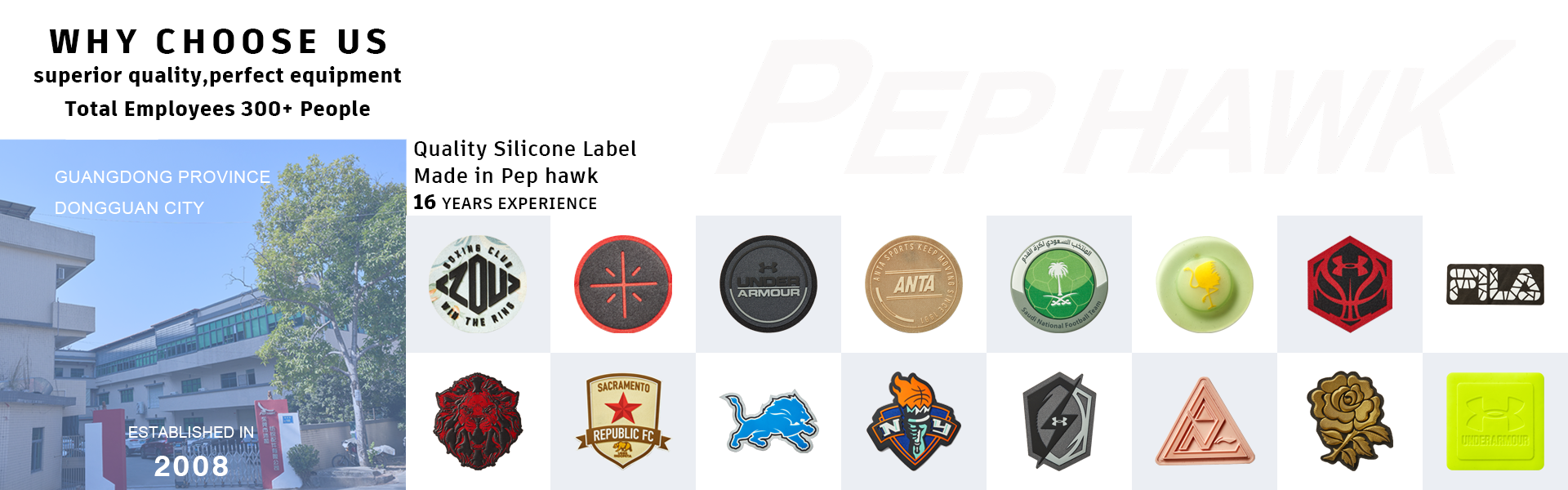
When confronted with the task of producing intricate design drafts of the highest quality, PEPHAWK is here to provide the perfect solution. With over 16 years of industry experience and our esteemed general manager boasting 31 years of expertise in the silicone industry, we are the ultimate choice for tackling your challenging logo design projects. Select PEPHAWK for our unmatched proficiency and rest assured in the impeccable outcomes we consistently deliver.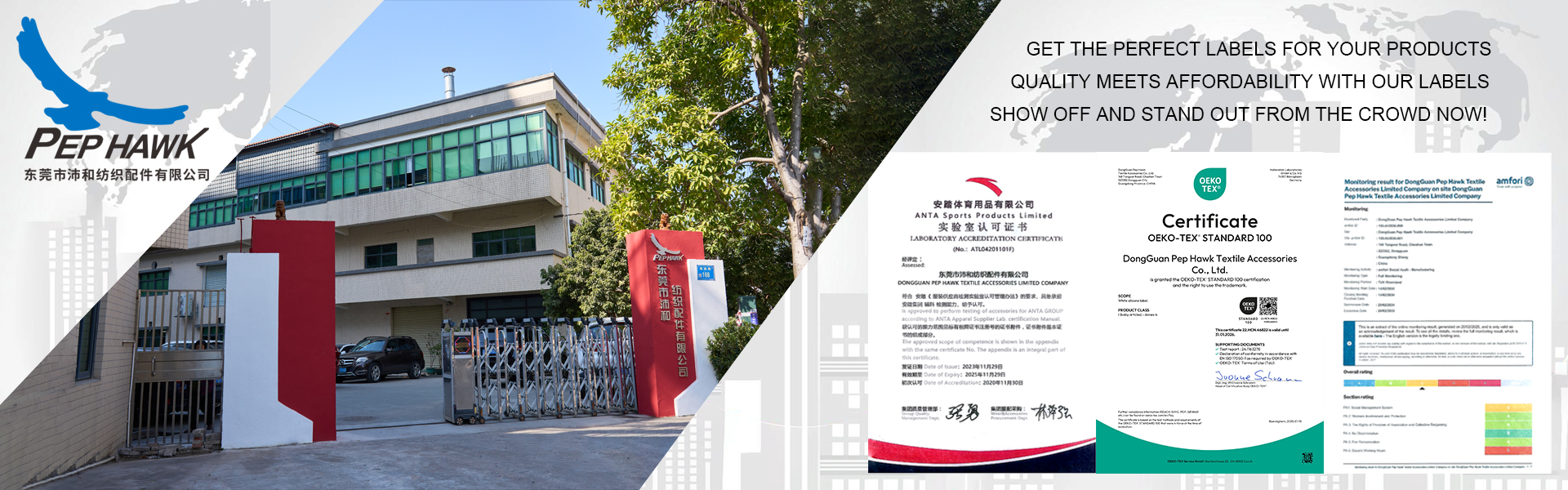
The Gucci Patch: From Heritage Symbol to Cultural Phenomenon
The Global Craze of Minions Embroidered Patches