

Why 90% of DIYers Struggle With "Design Your Own Iron On Patch"
Personalize your wardrobe with custom iron-on patches! Design your own unique patches easily and add a touch of individuality to your outfits.
1. Overlooking Material Science: The Hidden Complexity of Fabric Compatibility
Many DIYers fail to recognize that iron-on patches require precise material selection. The adhesive backing must bond with both the patch fabric (e.g., polyester, cotton, or felt) and the garment’s material. For instance, heat-activated adhesives work best at 160–180°C, but natural fibers like wool may scorch, while synthetics like nylon can melt. “Amateurs often skip testing adhesion strength,” says textile engineer Dr. Elena Torres. “They assume one-size-fits-all glue works, but mismatched materials lead to peeling.” Proper calibration of heat, pressure, and time is critical—a step often underestimated.
2. Design Software Limitations: Bridging Creativity and Technical Precision
While DIY platforms offer user-friendly tools, translating intricate designs into production-ready files is challenging. Vector graphics require clean lines and scalable resolution, but hobbyists may upload low-quality JPEGs or overly complex patterns. “I’ve seen customers try to iron on photos with 10+ colors,” shares Lisa Chen, founder of PatchLab . “Without professional color separation or halftone techniques, details blur.” Additionally, improper file formats (e.g., RGB vs. CMYK) can cause color discrepancies post-printing, frustrating users.
3. Misjudging Production Costs: The Hidden Economics of Small-Batch Crafting
DIYers often underestimate costs beyond materials. Laser cutting a single patch may cost $5–$10, but bulk orders reduce per-unit expenses significantly. “Hobbyists don’t factor in machine maintenance, electricity, or wasted materials from trial-and-error,” notes economist Raj Patel. For example, a $200 DIY heat press might seem affordable, but amortized over 20 patches, the cost per unit triples compared to professional bulk rates. Time investment—designing, cutting, and pressing—also adds hidden labor costs.
4. Lack of Quality Control: The Art of Consistency
Professional patch producers use standardized processes: automated cutting machines ensure uniform edges, industrial presses apply even heat, and QC checks verify durability (e.g., wash tests). DIYers, however, struggle with inconsistency. “Hand-cut patches often have jagged edges, and home irons distribute heat unevenly,” explains craftsman Marco Diaz. A survey by CraftersGuild found that 68% of DIYers reported patches detaching after 2–3 washes due to improper curing—a risk mitigated by commercial-grade equipment.
5. Navigating Legal Pitfalls: Copyright and Safety Compliance
Copying logos or copyrighted characters is a common DIY misstep. “Many don’t realize that even personal-use patches infringe IP laws if they replicate trademarks,” warns IP attorney Sarah Lim. Additionally, children’s clothing patches must meet flammability standards (e.g., ASTM F963), requiring flame-retardant fabrics and adhesives—a detail often overlooked by hobbyists.
When tackling intricate design projects that demand precision and excellence, PEPHAWK stands as your trusted partner. With 16 years of industry expertise and our general manager’s 31-year legacy in silicone innovation, we specialize in transforming complex logo concepts into flawless realities. Our seasoned team combines technical mastery with creative problem-solving to deliver unmatched quality, ensuring your vision is executed with meticulous attention to detail. Partner with PEPHAWK—where unparalleled experience meets cutting-edge craftsmanship.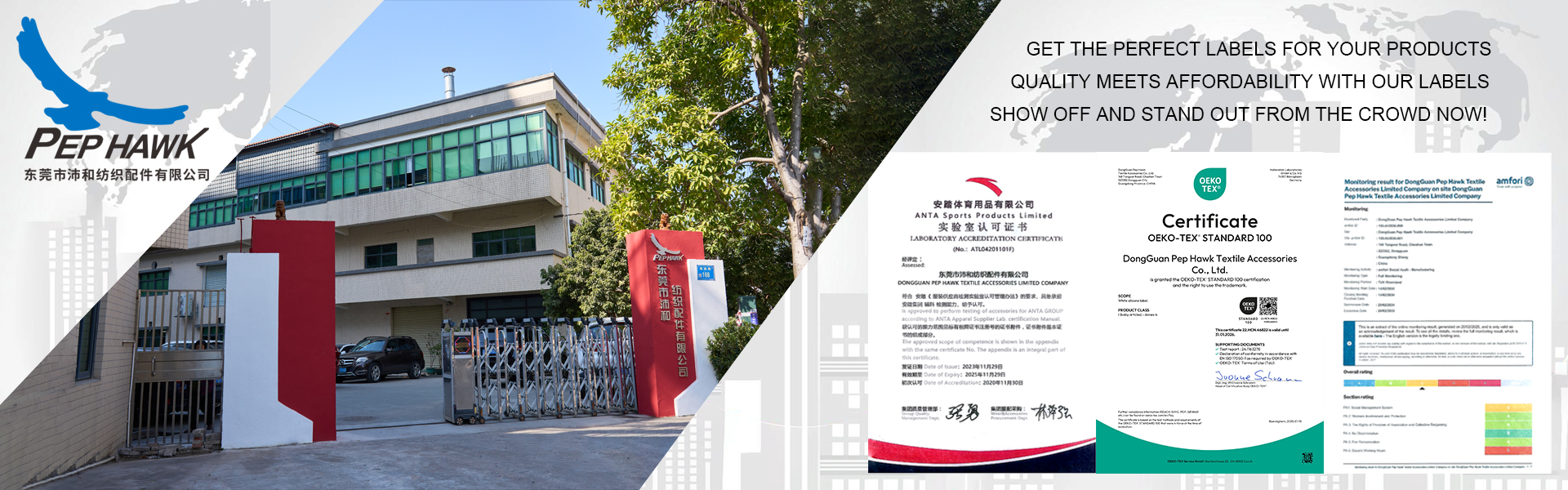
Stop Wasting Time: 3 Simple Questions to Ask Before Ordering "Embroidered Patches No Minimum"
Versatile Applications of Velcro Hat Patches



