

Adhesive Cloth Patches: A Precision Guide to Adhesive Selection for Different Fabrics
2025-12-30
Table of Contents
- I. Introduction
- II. Classification of Common Adhesives for Cloth Patches
- 2.1 Hot-Melt Adhesive
- 2.2 Pressure-Sensitive Adhesive (PSA)
- 2.3 Hot-Melt Web Adhesive
- 2.4 Water-Based Adhesive
- III. Fabric Categories & Corresponding Adhesive Selection Guidelines
- 3.1 Natural Fabrics (Cotton, Linen, Wool)
- 3.2 Synthetic Fabrics (Polyester, Nylon, Acrylic)
- 3.3 Stretch Fabrics (Spandex Blends, Knitwear, Sportswear Fabrics)
- 3.4 Delicate Fabrics (Silk, Chiffon, Lightweight Viscose)
- 3.5 Leather & Faux Leather Fabrics
- IV. Precision Selection Principles & Quality Control
- 4.1 Application Scenario-Based Selection
- 4.2 Pre-Application Testing Steps
- 4.3 Compatibility with Patch Customization Processes
- V. PEPHAWK’s Customized Adhesive Cloth Patch Solutions
- VI. Conclusion
Discover the ultimate guide to selecting adhesives for adhesive cloth patches across fabrics
I. Introduction
Adhesive cloth patches, defined as fabric-based patches bonded to target surfaces via specialized adhesives, have become indispensable in numerous industries, including apparel repair, brand branding, decorative customization, and industrial textile modification. From mending a torn cotton shirt to applying a branded patch on a polyester backpack, or adding a decorative element to a silk dress, adhesive cloth patches offer a convenient, efficient alternative to traditional sewing. However, the success of these applications hinges not on the patch’s fabric or design alone, but on the precise matching of adhesive type to the target fabric.
The significance of accurate adhesive-fabric matching cannot be overstated. A mismatched adhesive may lead to premature peeling, fabric damage such as discoloration or melting, or residual adhesive buildup that ruins the appearance of the garment. For instance, using a high-temperature hot-melt adhesive on a delicate silk fabric can cause the fabric to shrink or scorch, while a weak pressure-sensitive adhesive on a frequently washed cotton workwear patch will result in the patch falling off after just a few laundry cycles. Moreover, in commercial settings such as garment manufacturing or promotional product production, incorrect adhesive selection can lead to costly rework, wasted materials, and damaged brand reputation.
The core challenge in working with adhesive cloth patches lies in navigating the diverse properties of both adhesives and fabrics to achieve a bond that is durable, fabric-friendly, and suited to the intended use. This guide aims to demystify the selection process by first classifying common adhesives for cloth patches, then detailing the characteristics of major fabric categories, and finally providing actionable guidelines for precise matching. Additionally, it covers quality control principles and customized solutions to ensure consistent, high-quality results across various applications.
II. Classification of Common Adhesives for Cloth Patches
Adhesives for cloth patches are engineered to meet specific bonding requirements, with variations in activation methods, strength, flexibility, and compatibility. Understanding the key features of each type is the foundation of effective selection. Below is a detailed classification of the most widely used adhesives:
2.1 Hot-Melt Adhesive
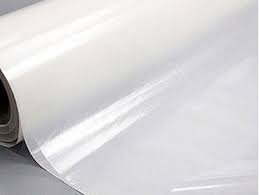
Hot-melt adhesive (HMA) is a thermoplastic material that becomes liquid when heated and forms a strong bond as it cools and solidifies. It is one of the most popular choices for cloth patches due to its excellent durability and wash resistance.
Subtypes of HMA are primarily distinguished by their activation temperature: low-temperature HMA (≤120℃) and high-temperature HMA (≥150℃). Low-temperature HMA is ideal for heat-sensitive fabrics, as it minimizes the risk of fabric damage during application. High-temperature HMA, on the other hand, offers superior bond strength and heat resistance, making it suitable for fabrics that can withstand higher temperatures and require long-term durability.
Key features of HMA include strong initial adhesion once cooled, excellent wash and dry-clean resistance (when properly applied), and compatibility with a wide range of fabrics. It is typically applied using a heat press or iron, which activates the adhesive and ensures full contact with the fabric. However, HMA requires careful temperature control; excessive heat can damage fabrics, while insufficient heat will result in a weak bond.
2.2 Pressure-Sensitive Adhesive (PSA)
Pressure-sensitive adhesive is a type of adhesive that forms a bond when slight pressure is applied, without the need for heat, solvent, or curing time. It is composed of a viscoelastic material that adheres to surfaces through van der Waals forces, ensuring instant adhesion.
The two main subtypes of PSA for cloth patches are removable PSA and permanent PSA. Removable PSA offers a temporary bond that can be peeled off without leaving residue, making it ideal for decorative patches that need to be changed regularly, such as holiday-themed patches on jackets. Permanent PSA, by contrast, forms a strong, long-lasting bond that is resistant to washing and wear, suitable for applications where the patch is intended to be permanent.
Key features of PSA include ease of application (no special equipment required), lightweight composition that does not add bulk to the patch, and versatility across different fabric types. However, permanent PSA may not be as durable as HMA in high-wear or frequent-wash scenarios, and removable PSA is not suitable for heavy-duty applications.
2.3 Hot-Melt Web Adhesive
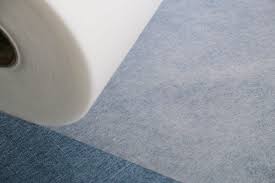
Hot-melt web adhesive is a thin, mesh-like or film-based adhesive that is activated by heat. Unlike traditional HMA, which is often applied as a coating on the patch, hot-melt web is a separate layer placed between the patch and the target fabric. When heated, it melts and flows into the fibers of both the patch and the fabric, creating a strong, flexible bond.
Key features of hot-melt web adhesive include high elasticity, thin profile (which preserves the drape of the fabric), and excellent compatibility with stretch fabrics. It is particularly well-suited for patches applied to knitwear, sportswear, or other fabrics that require flexibility to maintain their shape and comfort. Additionally, hot-melt web adhesive distributes evenly during application, ensuring consistent bonding across the entire patch surface.
2.4 Water-Based Adhesive
Water-based adhesive is an eco-friendly option composed of water-soluble polymers, such as polyvinyl acetate (PVA). It cures through air-drying, during which the water evaporates and the polymer particles fuse to form a bond. This type of adhesive is non-toxic, low-odor, and compliant with most environmental standards, making it a preferred choice for children’s clothing and eco-conscious brands.
Key features of water-based adhesive include good compatibility with natural fabrics, excellent breathability (which maintains the fabric’s comfort), and easy cleanup with water before curing. However, it requires sufficient drying time (typically 24-48 hours) to achieve full bond strength, and it may not be as wash-resistant as HMA or permanent PSA unless treated with a waterproofing agent.
III. Fabric Categories & Corresponding Adhesive Selection Guidelines
Fabrics vary widely in their physical properties, such as fiber composition, porosity, heat resistance, elasticity, and fragility. These properties directly determine which adhesive will form a durable bond without damaging the fabric. Below is a detailed breakdown of major fabric categories, their characteristics, and recommended adhesives.
3.1 Natural Fabrics (Cotton, Linen, Wool)
Natural fabrics are derived from plant or animal fibers, offering excellent breathability and comfort. However, they also have unique characteristics that influence adhesive selection: cotton and linen are porous and prone to shrinkage when washed, while wool is delicate and sensitive to high temperatures.
Recommended Adhesives: High-temperature hot-melt adhesive and water-based adhesive are the top choices for natural fabrics. High-temperature HMA penetrates the porous fibers of cotton and linen, forming a strong, wash-resistant bond. It also withstands the shrinkage of these fabrics during laundering, ensuring the patch remains securely attached. Water-based adhesive is ideal for wool and delicate cotton fabrics, as it is gentle and does not damage the fibers. It also maintains the fabric’s breathability, which is crucial for comfort.
Selection Tips: When choosing an adhesive for natural fabrics, prioritize products that are compatible with fabric shrinkage. For cotton and linen, select a high-temperature HMA with a softening point that matches the fabric’s ironing temperature (typically 150-180℃). For wool, opt for a low-temp water-based adhesive to avoid scorching or felting the fibers. Always conduct a small-scale test on a hidden area of the fabric to check for discoloration or damage before full application. Additionally, ensure the adhesive is wash-resistant (rated for at least 30 washing cycles) for garments that will be laundered regularly.

3.2 Synthetic Fabrics (Polyester, Nylon, Acrylic)
Synthetic fabrics are man-made, offering durability, wrinkle resistance, and low water absorption. However, they have smooth surfaces that can make bonding challenging, and many are heat-sensitive (polyester, for example, melts at around 250℃).
Recommended Adhesives: Low-temperature hot-melt adhesive and permanent pressure-sensitive adhesive are best suited for synthetic fabrics. Low-temperature HMA (activation temperature ≤120℃) bonds effectively to the smooth surface of synthetic fibers without risking melting or damage. It also offers good wash resistance, making it suitable for polyester and nylon garments. Permanent PSA is ideal for acrylic fabrics and synthetic blends, as it forms an instant bond without heat. It is also oil-resistant, which is beneficial for synthetic fabrics that may come into contact with body oils or other liquids.
Selection Tips: Avoid high-temperature adhesives for synthetic fabrics, as they can cause melting, shrinkage, or discoloration. For polyester and nylon, choose a low-temperature HMA with good wetting properties, which ensures the adhesive spreads evenly across the smooth fiber surface. For acrylic fabrics, select a permanent PSA with high tack (adhesion strength) to overcome the fabric’s low surface energy. Additionally, check that the adhesive is compatible with dry cleaning, as many synthetic garments are dry-clean only.

3.3 Stretch Fabrics (Spandex Blends, Knitwear, Sportswear Fabrics)
Stretch fabrics are designed to be elastic, allowing for movement and flexibility. They are commonly used in sportswear, activewear, and knit garments. The key challenge with these fabrics is ensuring the adhesive can stretch with the fabric without cracking or peeling.
Recommended Adhesives: Hot-melt web adhesive and elastic pressure-sensitive adhesive are the optimal choices for stretch fabrics. Hot-melt web adhesive is highly elastic, matching the stretch ratio of spandex blends and knitwear. It forms a thin, flexible bond that does not restrict the fabric’s movement, making it ideal for sportswear. Elastic PSA is a specialized type of pressure-sensitive adhesive with high flexibility, forming an instant bond that stretches with the fabric. It is suitable for lightweight stretch fabrics and temporary decorative patches.
Selection Tips: When selecting an adhesive for stretch fabrics, the most critical factor is elasticity. Choose an adhesive with a stretch ratio that matches or exceeds the fabric’s (typically 100-200% stretch). For hot-melt web adhesive, select a product with a low activation temperature to avoid damaging the elastic fibers. For sportswear and activewear, prioritize adhesives that are sweat-resistant and wash-resistant (rated for 50+ washing cycles). Additionally, ensure the adhesive does not stiffen the fabric, as this will compromise comfort and mobility. Always test the bonded patch by stretching the fabric to check for cracking or peeling.

3.4 Delicate Fabrics (Silk, Chiffon, Lightweight Viscose)
Delicate fabrics are thin, fragile, and highly sensitive to heat, pressure, and chemicals. Silk, chiffon, and lightweight viscose require gentle adhesives that form a secure bond without damaging the fabric’s structure or appearance.
Recommended Adhesives: Removable pressure-sensitive adhesive and low-temp water-based adhesive are the best options for delicate fabrics. Removable PSA forms a temporary bond that can be peeled off without leaving residue, making it ideal for decorative patches on silk dresses or chiffon scarves. Low-temp water-based adhesive is gentle and non-toxic, bonding securely to delicate fibers without causing discoloration or damage. It also dries clear, preserving the fabric’s transparency (critical for chiffon and lightweight viscose).
Selection Tips: Avoid heat-activated adhesives (such as high-temperature HMA) for delicate fabrics, as they can cause shrinkage, scorching, or fiber damage. Use minimal pressure during application to prevent stretching or tearing the fabric. For removable PSA, select a product with low tack to avoid pulling the fabric fibers when peeled off. For low-temp water-based adhesive, ensure it dries completely (24-48 hours) before handling the garment. Conduct a test on a hidden area to check for discoloration, and avoid using the adhesive on highly textured delicate fabrics (such as silk brocade) where bonding may be uneven.

3.5 Leather & Faux Leather Fabrics
Leather and faux leather are non-porous, smooth fabrics that require adhesives with strong initial tack and compatibility with non-porous surfaces. However, many adhesives contain solvents that can damage leather, causing discoloration or cracking.
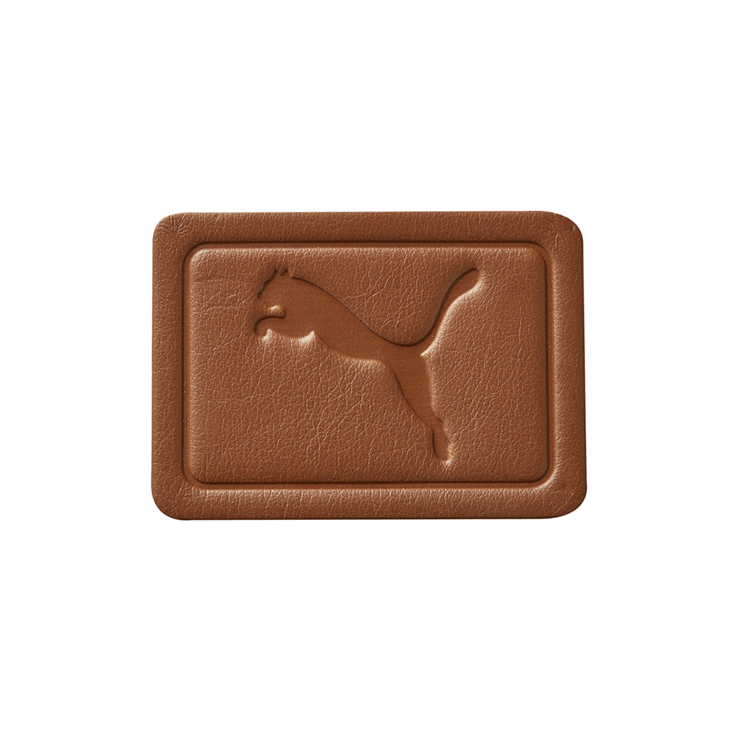
Recommended Adhesives: High-strength permanent pressure-sensitive adhesive and specialized leather hot-melt adhesive are suitable for leather and faux leather. High-strength permanent PSA forms a strong, instant bond to non-porous surfaces without solvents, making it safe for leather. Specialized leather hot-melt adhesive is engineered to bond to leather fibers, offering excellent durability and resistance to wear and tear. It also has a low activation temperature to avoid damaging the leather.
Selection Tips: Choose solvent-free adhesives to prevent leather discoloration or cracking. For genuine leather, select a specialized leather HMA that is compatible with the leather’s finish (e.g., smooth, suede, or patent). For faux leather (which is often heat-sensitive), opt for a low-temperature adhesive to avoid melting the surface. Conduct a test on a hidden area (such as the inside of a leather jacket) to check for discoloration or damage. Additionally, ensure the adhesive is resistant to moisture and body oils, as these can weaken the bond over time.
IV. Precision Selection Principles & Quality Control
Precise adhesive selection for cloth patches is not just about matching adhesive type to fabric; it also involves aligning the adhesive with the application scenario, conducting thorough pre-application testing, and ensuring compatibility with patch customization processes. Below are key principles and quality control measures to ensure successful bonding.
4.1 Application Scenario-Based Selection
The intended use of the patch is a critical factor in adhesive selection. Different scenarios require different levels of durability, wash resistance, and flexibility:
-
Washable Garment Patches: For patches on clothing that will be laundered regularly (e.g., t-shirts, workwear, children’s clothes), prioritize hot-melt adhesive rated for at least 40 washing cycles. High-temperature HMA is ideal for cotton and linen garments, while low-temperature HMA is suitable for synthetic fabrics.
-
Temporary Decorative Patches: For patches that need to be changed (e.g., holiday patches, event patches), choose removable pressure-sensitive adhesive. Ensure the adhesive leaves no residue and does not damage the fabric when peeled off.
-
Outdoor/Heavy-Duty Use Patches: For patches on outdoor gear (e.g., backpacks, tents, work gloves), select high-temperature resistant hot-melt adhesive or high-strength permanent PSA. These adhesives should be resistant to UV radiation, moisture, and extreme temperatures to ensure long-term durability.
-
Delicate or High-End Garments: For luxury items (e.g., silk dresses, leather jackets), use gentle adhesives such as low-temp water-based adhesive or specialized leather adhesives. Prioritize adhesives that preserve the garment’s appearance and value.
4.2 Pre-Application Testing Steps
Pre-application testing is essential to avoid costly mistakes and ensure the adhesive is compatible with the fabric. Follow these steps for effective testing:
-
Conduct a Small-Scale Bonding Test: Cut a small piece of the patch (with the selected adhesive) and apply it to a hidden area of the fabric (e.g., inside a seam, under a collar). Follow the adhesive’s application instructions (temperature, pressure, drying time).
-
Test Bond Durability: After the adhesive has fully cured, test the bond by gently pulling the patch. A strong bond should not peel easily. For washable garments, launder the fabric sample according to the garment’s care instructions (e.g., machine wash, dry clean) and check the bond again.
-
Check for Fabric Damage: Inspect the fabric around the patch for discoloration, shrinkage, or damage. For removable adhesives, peel off the patch and check for residue or fiber damage.
-
Evaluate Aesthetics: Ensure the patch lies flat against the fabric and does not cause puckering or stiffness. For delicate fabrics, check that the adhesive does not alter the fabric’s texture or transparency.
4.3 Compatibility with Patch Customization Processes
The type of patch and its customization process can also influence adhesive selection. For example:
-
Embroidered Patches: Embroidered patches have a textured surface, so select an adhesive with good wetting properties (e.g., hot-melt web adhesive) that can fill in the gaps between threads. Avoid thin PSA, which may not bond evenly.
-
Woven Label Patches: Woven labels are thin and flexible, so use a low-profile adhesive (e.g., hot-melt web or thin PSA) to preserve their drape.
-
PVC Patches: PVC is a rigid material, so select a high-strength adhesive (e.g., permanent PSA or high-temperature HMA) that can bond the rigid patch to the fabric without cracking.
-
Heat Press vs. Hand Application: If using a heat press, select an adhesive with a clear activation temperature range. For hand application (no heat press), opt for PSA or water-based adhesive that does not require specialized equipment.
V. PEPHAWK’s Customized Adhesive Cloth Patch Solutions
At PEPHAWK, we understand that every application is unique, and precise adhesive-fabric matching is critical to success. We offer customized adhesive cloth patch solutions designed to meet the specific needs of our customers, whether for small-batch decorative patches or large-scale industrial applications.
Our one-stop adhesive matching service is tailored to each customer’s fabric sample. When you provide us with a sample of your target fabric, our team of experts conducts comprehensive tests to evaluate fabric characteristics (porosity, heat resistance, elasticity) and recommend the optimal adhesive type. We consider your application scenario (washable, temporary, outdoor) and patch customization process to ensure the solution is both effective and efficient.
All our adhesives are quality-tested and compliant with OEKO-TEX® Standard 100, ensuring they are safe for use in textiles, including children’s clothing and skin-contact garments. Our adhesive systems undergo rigorous testing for wash resistance, heat resistance, and durability, guaranteeing consistent performance across all applications.
For bulk orders, we offer tailored solutions that include adhesive type optimization and detailed application guidance. Our team works closely with you to understand your requirements, ensuring the final product meets your quality standards and budget. Whether you need patches for apparel, promotional products, or industrial use, PEPHAWK’s customized solutions deliver reliable, long-lasting results.
VI. Conclusion
The selection of adhesive for cloth patches is a precise process that hinges on three core factors: fabric characteristics, adhesive performance, and application scenario. By understanding the properties of different adhesives (hot-melt, pressure-sensitive, hot-melt web, water-based) and matching them to the unique needs of each fabric category (natural, synthetic, stretch, delicate, leather), you can achieve a bond that is durable, fabric-friendly, and suited to the intended use.
Precise adhesive selection offers numerous benefits: it enhances patch durability, reduces the risk of fabric damage, minimizes rework costs, and improves the end-user experience. Whether you are a garment manufacturer, a brand owner, or a hobbyist, taking the time to select the right adhesive will ensure your cloth patches perform as intended and maintain their appearance over time.
For those seeking a hassle-free, professional solution, partnering with PEPHAWK for customized adhesive cloth patch services is the ideal choice. Our expertise in adhesive-fabric matching, quality-tested products, and tailored solutions ensure that your patches meet the highest standards of performance and aesthetics. Contact us today to learn more about how we can support your adhesive cloth patch needs.
PEPHAWK is proud to highlight ourintegrated one-stop service—seamlessly combining professional design, R&D, and manufacturing capabilities to deliver cohesive, end-to-end solutions for our valued clients.
Our core product range covers a diverse selection of high-quality accessories and silicone-based items, including:
- Garment Accessories: Silicone Labels, Micro Fiber Labels, TPU Labels, Leather Labels
- Electronic & Lifestyle Gadgets: Silicone Mobile Phone Skins, Silicone MP3 Skins, Silicone Chaplets, Silicone Bracelets
Beyond our core offerings, we also connect clients with complementary products through our trusted affiliated companies, ensuring all your needs are met under one partnership.
What sets us apart is our specialized expertise in key manufacturing processes: Silk Screen Printing, High-Frequency Welding, Sublimation Printing, Seamless Fabric Processing, and Laser Cutting. These capabilities allow us to serve a wide array of industries—from garments, shoes, caps, and gloves to electronic devices, bags, and sporting equipment—with products that blend durability, functionality, and aesthetic appeal.
At PEPHAWK, customer satisfaction is our top priority. We’re committed to providing responsive, thorough support, andguarantee a same-day response to all inquiries—no exceptions. You can rely on us for consistent quality, reliable delivery, and a partnership that’s as efficient as it is trustworthy.
Whether you’re looking for custom apparel labels, protective silicone skins, or tailored manufacturing solutions, PEPHAWK has the expertise and flexibility to bring your vision to life.
Modern Team Patches: Essential Brand Assets for Apparel and Accessory Success
Adidas Heat-Press Patches: Types & Professional Application Guide




SEND MESSAGE