

Creative Applications of 3D Silicone Heat Transfer
Transform your projects with our advanced 3D silicone heat transfer options. Experience superior quality and endless customization for your designs.
While 3D silicone heat transfers undoubtedly offer visual appeal and technical innovation, their dominance as a universal solution for fashion and sportswear branding is overstated. Below are key counterarguments and alternative perspectives:
Sustainability Concerns:
Many 3D silicone techniques rely on non-recyclable materials (e.g., silicone blends, synthetic bases). Despite mentions of GRS-certified options like "3R - 3D SILICONE | MULTILEVEL," the majority of these processes still contribute to microplastic pollution during production and garment disposal. Brands prioritizing eco-consciousness might find alternatives like biodegradable embroidery or plant-based dyes more aligned with long-term environmental goals.
Cost vs. Practicality:
The complexity of techniques like NFC integration or lenticular effects raises production costs significantly. While appealing to "forward-thinking" brands, small-scale designers or budget-conscious sportswear lines cannot justify such investments, especially when simpler methods (e.g., screen printing) achieve comparable visual impact for everyday apparel.
Durability Limitations:
Silicone transfers, despite claims of "high-temperature resistance," often degrade with frequent washing or abrasion. Peeling edges and fading 3D effects are common issues, undermining the "bold statement" promised for football jerseys. Traditional embroidery remains superior in longevity, particularly for high-friction sportswear.
Overemphasis on Aesthetics Over Functionality:
Features like "glow-in-the-dark" or "shiny-liquid effects" cater to novelty rather than usability. In performance sportswear, bulky silicone layers could impede breathability or flexibility—critical factors ignored in favor of design flair. Brands risk prioritizing gimmicks over wearer comfort.
Market Saturation Risk:
As more brands adopt these techniques, the "unique" 3D silicone look risks becoming generic. Football jerseys with near-identical glossy logos exemplify this homogeneity. True differentiation requires blending material innovation with storytelling or cultural relevance, not just technical specs.
Alternative Perspective:
Innovation should balance aesthetics, sustainability, and practicality. For instance, hybrid approaches—combining minimalist silicone accents with recycled fabrics or smart textiles that adapt to environmental conditions—could offer deeper value. Additionally, investing in circular design principles (e.g., easily removable/reusable transfers) would address both creativity and ecological responsibility, positioning brands as leaders rather than followers in a crowded market.
If you're facing the challenge of completing complex design drafts with impeccable quality, look no further than PEPHAWK. Our 16 years of experience and our general manager's 31 years of silicone industry involvement make us the ideal choice to solve your difficult and complicated logo design problems. Choose the expertise of PEPHAWK and feel confident in the flawless results that we deliver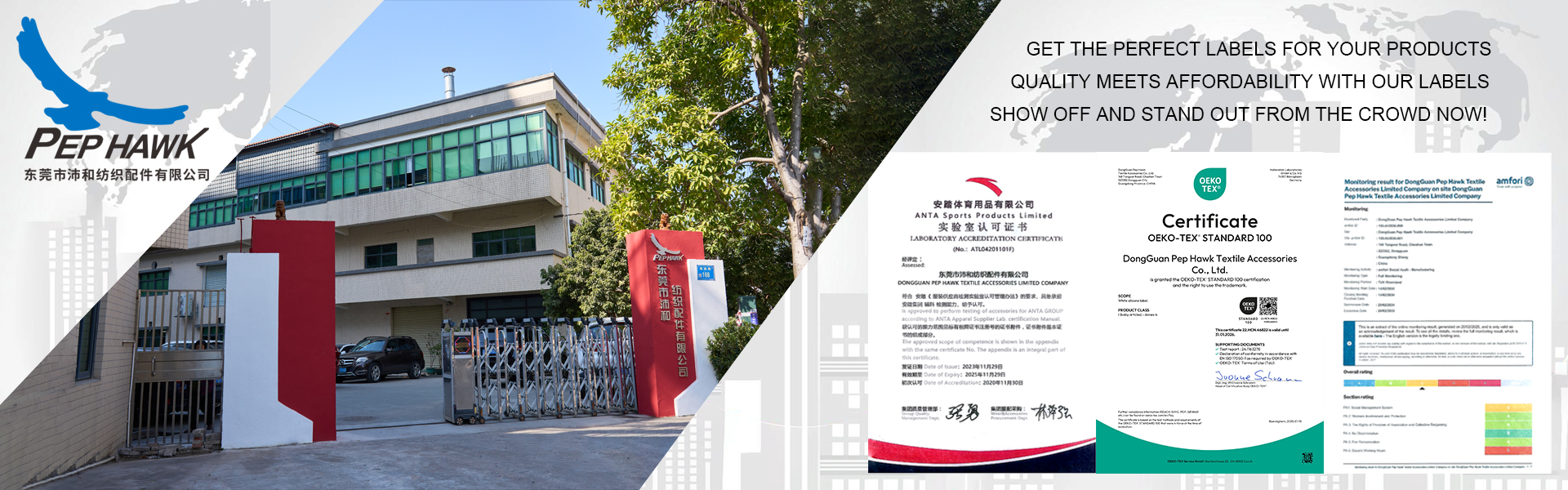
Beyond the Label Debate: Why Sew-On Labels Reign Supreme in the Clothing Industry
Rethinking the Role of Heat and Silicone Transfer Printing



