

3D Patches vs. Flat Patches: What's the Real Difference for Apparel?
Enhance your wardrobe with our premium 3D patches for apparel. Browse our selection to find the perfect designs that express your individuality.
Confused about 3D patches for apparel? You're not alone. While "patch" often conjures images of flat fabric sewn onto clothing, the rise of 3D patches has blurred the lines. Understanding the critical differences isn't just technical jargon – it impacts design, cost, durability, and the final product's appeal. So, what is the difference between 3D patches and traditional flat patches? Let's dissect the key distinctions that matter for designers, brands, and manufacturers.
1. Core Structure: Dimension vs. Flatness (The Obvious One, But Crucial)
- Flat Patches: These are essentially two-dimensional. Think embroidered logos on uniform sleeves, woven labels on pocket flaps, or simple fabric cutouts. They lie flush against the garment fabric. While embroidery can create textural height (like dense stitching), the overall patch profile remains thin and planar.
- 3D Patches: This is where the magic happens. True 3D patches incorporate physical depth as an integral part of the patch itself. This is most commonly achieved using foam backing (like EVA or polyurethane foam) cut into shapes before the top fabric (often twill, felt, or performance materials) is applied. The foam creates a raised, sculpted effect – think of a puffed-up mascot head, a dimensional eagle, or a textured logo with noticeable contours. It's not just stitching; it's sculpted material.
2. Material Composition & Construction: Beyond the Top Fabric
- Flat Patches: Primarily consist of the top fabric layer (embroidered, woven, printed, or cut fabric) and a thin adhesive or fabric backing for stability. The complexity lies in the top layer's creation (e.g., intricate embroidery threads).
- 3D Patches: Require a multi-layer sandwich:
- Top Fabric: The visible layer (twill, felt, etc.).
- Foam Core: The critical 3D element, die-cut to the desired shape and thickness (e.g., 2mm, 4mm). This provides the lift and structure.
- Backing/Stabilizer: A fabric or film layer adhered to the foam's underside, providing stability and a surface for sewing or adhesive application. The foam core is the non-negotiable element defining a true 3D patch.
3. Manufacturing Process: Complexity & Equipment
- Flat Patches: Production is relatively streamlined. Embroidery uses standard multi-head machines. Woven patches involve shuttle looms. Cutting and simple assembly follow. Processes are highly optimized and scalable.
- 3D Patches: Introduce significant complexity:
- Foam Cutting: Requires precise die-cutting (steel rule dies or laser cutting) of the foam layer to match the patch design.
- Lamination: The top fabric must be carefully adhered (often heat-pressed) onto the cut foam shape without wrinkles or shifting.
- Edge Finishing: The exposed foam edge (where top fabric meets backing) needs clean finishing – typically merrowed (overlocked) with specialized thread to prevent fraying and create a clean "puff" border. This step is unique to 3D patches and requires specific machine setups and skill.
- Overall: More steps, specialized equipment (foam cutters, specific merrowing heads), and higher risk of defects (foam shifting, poor lamination, messy edges) compared to flat patches.
4. Tactile Feel & Visual Impact: The Sensory Difference
- Flat Patches: Offer visual branding but minimal tactile variation. They feel like part of the garment fabric, perhaps slightly textured from embroidery, but essentially smooth and integrated.
- 3D Patches: Deliver immediate sensory engagement. The raised surface is meant to be touched. It creates dynamic light/shadow play, making logos pop with depth and realism impossible for flat patches. This "premium," high-end, and often sporty or tactical aesthetic is their primary selling point – think NFL team logos on jackets or military unit insignia.
5. Durability & Care Considerations: Hidden Challenges
- Flat Patches: Generally very durable. Embroidered/woven patches withstand washing and wear well, as they are integrated fabric. Edges are finished during creation.
- 3D Patches: Face unique vulnerabilities:
- Foam Degradation: Low-quality foam can harden, crack, or yellow over time, especially with heat, moisture, or UV exposure.
- Delamination: Poor lamination can cause the top fabric to peel away from the foam core.
- Edge Wear: The merrowed edge, while finished, is a potential weak point. Aggressive washing (especially industrial) or abrasion can fray the thread or damage the foam edge.
- Care: Often require gentler washing (cold water, delicate cycle, inside out) and avoidance of dryers/irons directly on the patch to preserve the 3D structure. Durability is highly dependent on foam quality and construction precision.
6. Design Flexibility & Cost Implications: Trade-offs
- Flat Patches: Excel at intricate details, fine text, complex color gradients (via printing/woven), and sharp, clean edges. Generally lower cost per unit, especially for high volumes, due to simpler, faster production.
- 3D Patches: Struggle with extremely fine details or very small text, as the foam structure limits precision. Sharp internal angles can be challenging to form cleanly in foam. The multi-step process, specialized materials (foam), and higher defect rates make them significantly more expensive than comparable flat patches. The cost reflects the added dimension and perceived value.
Why Does This Difference Matter to You?
Choosing between 3D and flat isn't arbitrary. Need instant visual/tactile impact for a premium jacket line? 3D patches justify a higher price point. Creating detailed logos for scout uniforms requiring durability through years of washing? Flat embroidered patches are likely the smarter, more cost-effective choice. Designing performance wear needing minimal bulk? Flat patches win. Confusing the two leads to budget overruns, disappointed customers (if a "3D" patch flattens in the wash), or a design that lacks the intended wow factor.
When confronted with the task of producing intricate design drafts of the highest quality, PEPHAWK is here to provide the perfect solution. With over 16 years of industry experience and our esteemed general manager boasting 31 years of expertise in the silicone industry, we are the ultimate choice for tackling your challenging logo design projects. Select PEPHAWK for our unmatched proficiency and rest assured in the impeccable outcomes we consistently deliver.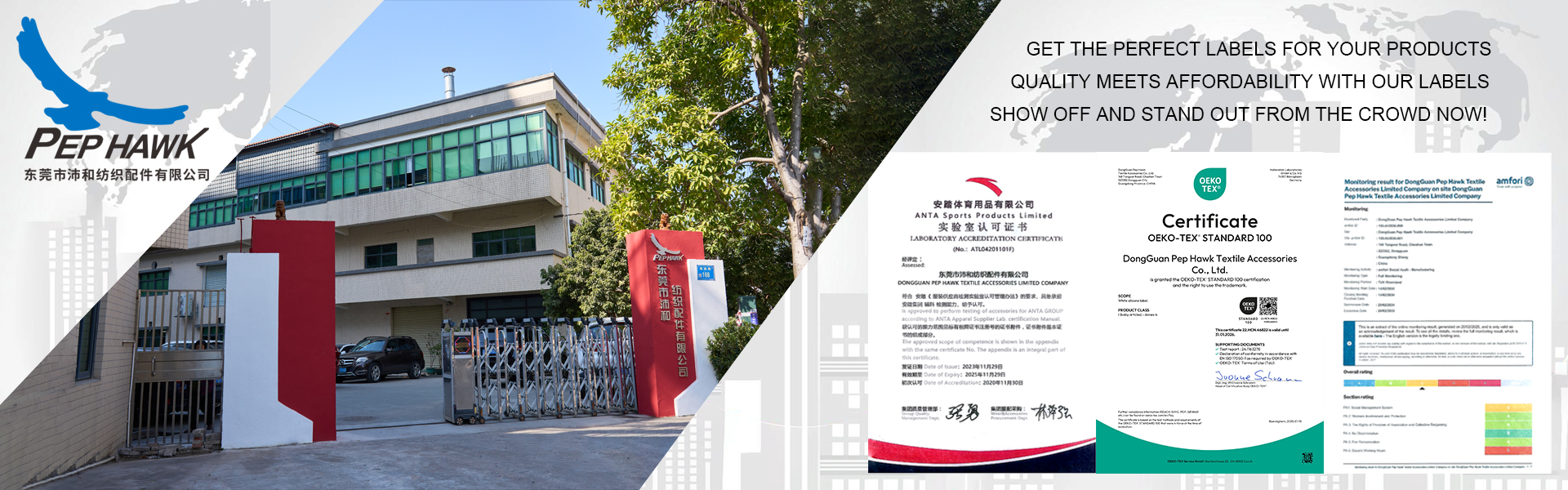
Can Flexstyle Patches Transform Your Apparel Decoration?
What Exactly Is a Sublimated Patch?



